
Plants
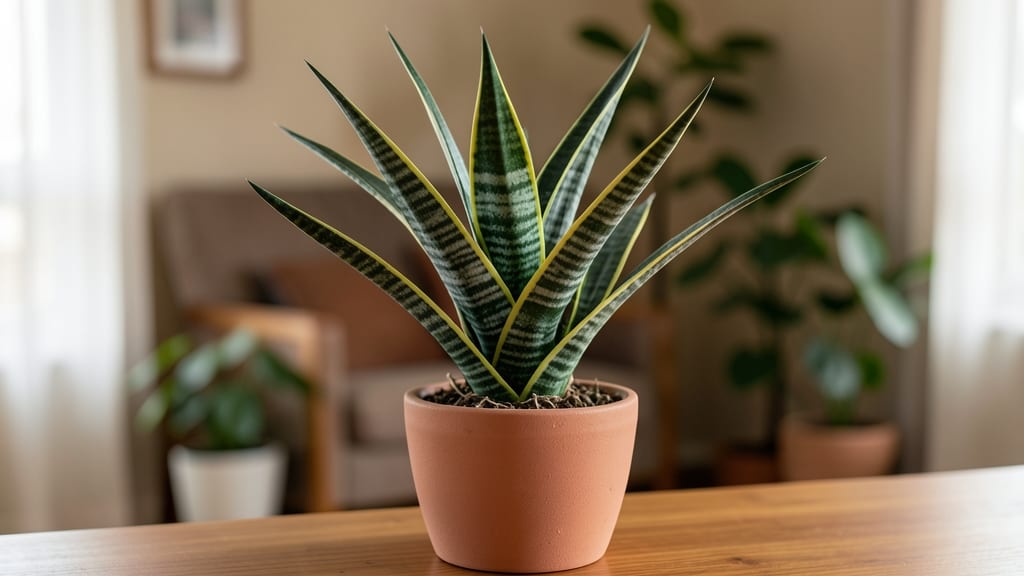
If you’re wondering how much light does a rattlesnake plant need, the bold stripes and vibrant leaves are your first clues—getting it right keeps them striking, while getting it wrong can dull or damage the foliage.
This striking plant thrives in bright but indirect sunlight—too much direct sun and it burns, too little and it loses its signature patterns.
I’ve learned the hard way that placing your rattlesnake plant near a south-facing window can actually harm it, while an east-facing spot keeps it happy and vibrant.
The key is finding that sweet spot where the light is bright enough to maintain those stunning stripes but gentle enough to prevent damage.
In this guide, I’ll break down exactly how much light your rattlesnake plant needs, what to watch for when adjusting its spot, and how to fix common light-related issues. Whether you’re dealing with leggy growth or sunburned leaves, you’ll discover simple solutions to keep your plant thriving.
Ready to transform your rattlesnake plant from lackluster to showstopping? Let’s dive into the perfect lighting setup for bold, healthy foliage that will turn heads in any room.

Optimal light requirements for rattlesnake plant growth and stripe clarity
The rattlesnake plant (Calathea lancifolia) thrives in bright indirect sunlight, making it perfect for indoor spaces with filtered light. Its signature striped foliage develops most vividly under these conditions, but direct sun can scorch its delicate leaves.
Understanding its light needs is key to maintaining those bold patterns and lush growth.
In nature, rattlesnake plants grow under dappled forest light, which mimics the 4-6 hours of bright indirect light they need daily. Too little light causes the leaves to lose their stripe contrast, while too much leads to sunburned patches or yellowing edges.
Finding that sweet spot ensures your plant stays healthy and visually striking.
Here’s a quick breakdown of what your rattlesnake plant needs to thrive:
| Requirement | Specification |
|---|---|
| Ideal Light Type | Bright indirect sunlight |
| Daily Light Hours | 4-6 hours |
| Best Window Placement | East or north-facing |
| Distance from Window | 2-3 feet |
| Signs of Too Little Light | Fading stripes, leggy growth |
| Signs of Too Much Light | Brown patches, crispy edges |
If your rattlesnake plant isn’t getting enough light, you’ll notice its leaves losing their striking patterns and stretching toward the light source—a condition called etiolation. This happens when the plant reaches for more light, resulting in long, weak stems and sparse foliage.
To fix this, move your plant closer to a bright, indirect light source or use a sheer curtain to diffuse harsh sunlight.
On the flip side, direct afternoon sun can cause sunburn, visible as brown or yellow patches on the leaves. If you notice these signs, immediately relocate your plant to a shadier spot or away from the window.
A rotating schedule can also help—rotate the pot every few weeks to ensure even light exposure on all sides.
For indoor growers, LED grow lights are a game-changer. A 12-15 watt LED bulb placed 12-18 inches above the plant can provide the bright indirect light it craves.
Run the light for 12-14 hours daily to mimic natural daylight cycles. This is especially useful in low-light apartments or during winter months when daylight is scarce.
Pro tip: Monitor your plant’s response to light adjustments. If the stripes become more defined and the leaves stay plump, you’ve hit the sweet spot. If not, tweak the placement or light source gradually.
Remember, rattlesnake plants are sensitive to sudden changes, so introduce adjustments slowly to avoid shocking the plant.
In summary, your rattlesnake plant’s light needs are all about balance. Too little light dulls its beauty, while too much damages its delicate leaves. With the right bright indirect sunlight, your plant will reward you with vibrant stripes and lush, healthy growth all year round.
Optimal light requirements for rattlesnake plant growth and stripe clarity
The rattlesnake plant (Calathea lancifolia) thrives in bright indirect sunlight, which is key for maintaining its striking striped foliage. Too little light causes the leaves to lose their bold patterns and grow pale, while too much direct sun can scorch the delicate leaves.
Aim for 4-6 hours of filtered light daily, like what you’d find near an east-facing window with sheer curtains.
Indoors, the best placement is 2-3 feet from a window where the light is soft but abundant. Avoid placing it in direct midday sun, especially south-facing windows, which can cause leaf burn.
If your home has low natural light, supplement with LED grow lights for 12-14 hours daily to prevent leggy growth.
🌿
The stripe intensity in rattlesnake plants is directly linked to light exposure. Insufficient light weakens the chlorophyll production, causing the leaves to lose their contrasting patterns. If you notice the stripes fading, move the plant closer to a bright, indirect light source or increase artificial lighting.
Rotate the pot quarter-turn weekly to ensure even light exposure on all sides.
Outdoors, these plants prefer dappled shade, like under a tree canopy or on a shaded patio. Avoid placing them in full sun, as the leaves can develop unsightly brown spots within days.
If you’re transitioning your rattlesnake plant from indoors to outdoors, do so gradually over 7-10 days to acclimate it to the brighter conditions.
For optimal stripe clarity, maintain a balance of humidity (50% or higher) and consistent moisture. Dry air can cause the edges of the leaves to crisp, even with perfect lighting. Pair your light adjustments with regular misting or a pebble tray to keep the foliage lush and vibrant.