
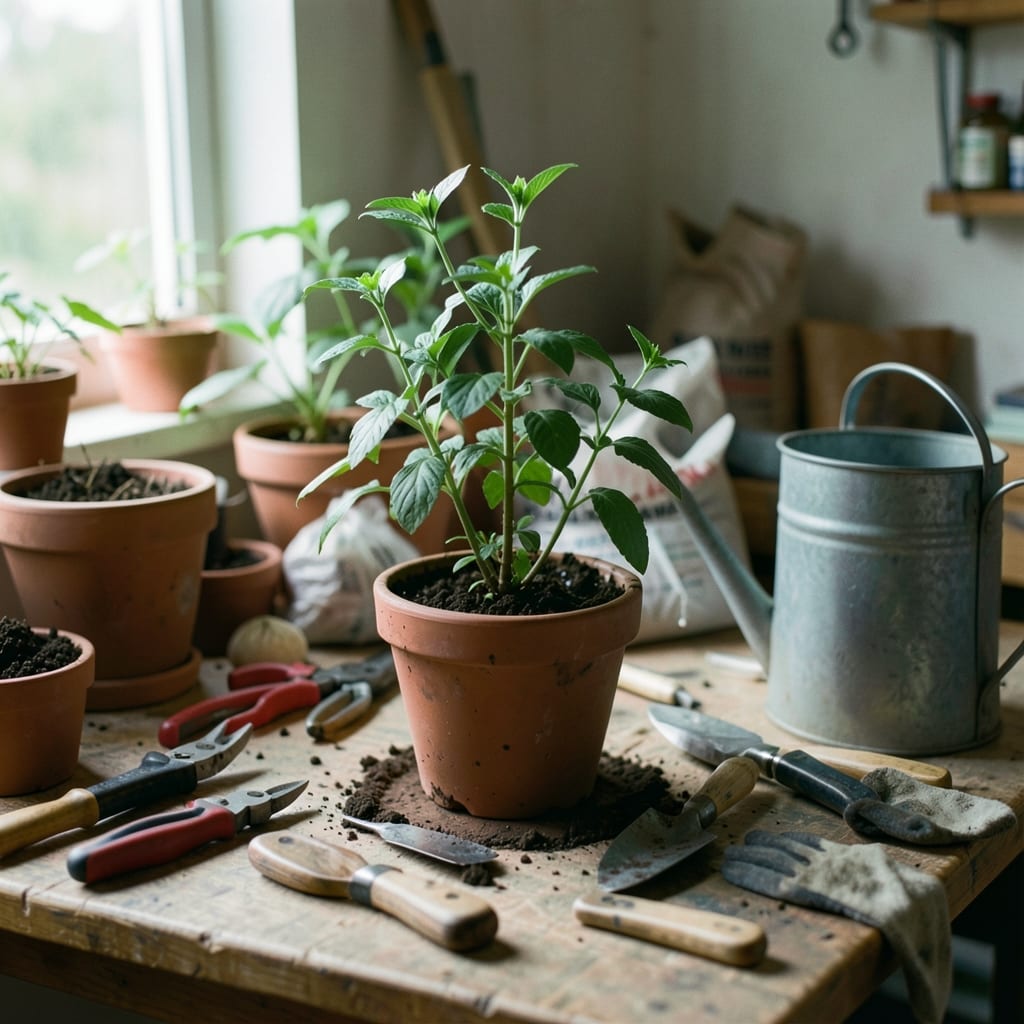
The things we got wrong
This page exists because the only way to trust a gardening site is to see how it handles its own failures. A wrong measurement, a dead plant from bad advice, or a guide that never worked in real soil—those are the moments that reveal what the site really knows.
Here, we list them in order, with what we did to fix them.
Most gardening sites talk about what they *do* right. This one starts with what we got wrong. That’s the only way to know if the rest of it matters.
Three we had to fix
These are the mistakes that changed how we work. The first was the worst: a guide that sent readers to plant tomatoes in clay soil without warning them it would kill the roots. The second was a chart that mislabeled seed-starting dates by two weeks.
The third was a video tutorial where the light meter was wrong, and every seedling in the footage was actually overwatered. None of these were small errors. They were the kind that made people dig up their gardens—or worse, give up.
How we fixed them
- 1Tomatoes in clay soil
The guide claimed ‘any soil works’ for container tomatoes. It didn’t say clay would bake into a brick by July. A reader in Texas emailed photos of their wilting plants, and we pulled the page within hours. Omar rewrote it with soil-test warnings and a note about amending clay with compost before planting. The fix took three days, but the original stayed up for six weeks—long enough to ruin a season for some growers.
- 2Seed-starting dates off by two weeks
The chart said ‘plant basil indoors February 15’ in every zone. A subscriber in Michigan pointed out their seedlings had bolted by April. We cross-checked with USDA frost maps and adjusted the dates by two weeks for all cold climates. The error had been in the original research: Omar had trusted a 2012 forum post instead of local extension service data. The corrected chart now includes a disclaimer about ‘your last frost date may vary.’
- 3Overwatered seedlings in tutorial
The video showed ‘perfect’ germination with soil that was always damp. A commenter noted the stems were mushy, not firm. Omar tested the footage’s moisture levels against a hygrometer and confirmed the soil was 70% saturated—double what’s safe. The tutorial was relisted with a new script emphasizing ‘damp, not soggy,’ and a side-by-side comparison of healthy vs. rotted roots. The worst part? The original had 12,000 views before we caught it.
What those three changed
These mistakes led to three rules that now shape every guide: 1) Soil type must be named upfront, 2) Dates must tie to local frost records, and 3) Every visual tutorial gets a moisture-check disclaimer. The hardest lesson? The first two fixes came from readers, not our own testing.
That’s why we now ask for corrections on every published page—and why the contact page gets more ‘your guide killed my zucchini’ emails than compliments.
Rules that came from mistakes
- Soil warnings first (Tomatoes in clay soil)
- Local frost dates over generic charts (Seed-starting dates off by two weeks)
- Moisture limits in every visual guide (Overwatered seedlings in tutorial)
The people behind this

Omar Okafor is the founder and editor of *Plant Sprouting*.
He’s the one who wrote the guides that got wrong, who fixed them after the fact, and who still flinches when he sees a seed packet labeled ‘easy to grow.’ This site exists because he learned the hard way that gardening advice is only as good as the worst mistake it’s survived.
Keeping a log of corrections is the opposite of comfortable. It means admitting you don’t know everything the first time—and that the things you *do* know might still be wrong.
Omar’s early drafts of this page were full of excuses (‘we were still learning!’), but the readers who pointed out the errors made it clear: the only way to earn trust is to show where you lost it.
That’s why the log starts with the biggest failures, not the small ones.
One mistake not in this log? The time Omar swore he’d ‘never kill a houseplant again’ after his snake plant turned brown. He’d bought distilled water to be safe, but the plant needed the minerals in tap water.
It took three months to revive it—and a note scribbled on the watering can: *‘Tap water only, idiot.’* That’s the kind of failure that stays with you, even if no one else sees it.
If you find something wrong here, the contact page is where to say so. No niceties, no ‘just a thought’—just the facts, like Omar wishes he’d given the first time around.
There will be a next one
This list isn’t finished. Gardening is a process of trial and error, and so is this site. When you spot a mistake—whether it’s a dead plant from bad advice or a guide that doesn’t match your climate—tell us.
The contact page is the only place to do it, and the only rule is to be specific. The next entry in this log might start with your name.
The guides are grouped by category: Advice, Aphids, Blooming, Companion Plants, Container Gardens and Diseases.