
Plants
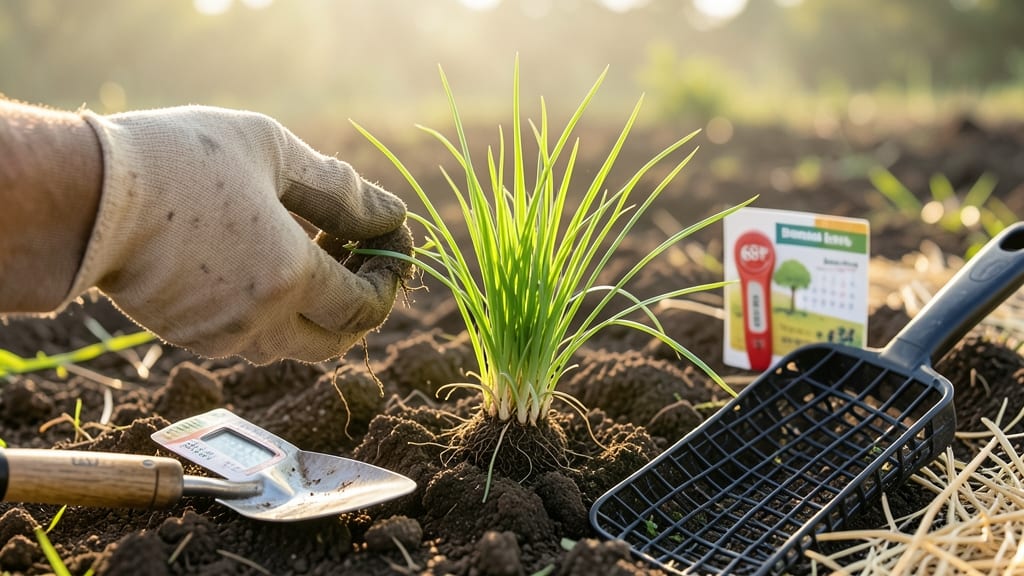
Oklahoma heat Zone deadlines for Bermuda seed planting (by month & climate region)
If you’ve ever stared at a bag of Bermuda grass seed in Oklahoma wondering, "Can I plant this now?"—you’re not alone. The difference between a thick, drought-resistant lawn and a patchy failure often comes down to soil temperature and last-frost dates.
Oklahoma’s climate varies dramatically from the Panhandle’s arid heat to the Southeast’s humid summers, so timing matters more than you think.
Bermuda grass thrives in heat and full sun, but it won’t germinate until the soil hits 65°F (18°C). Planting too early risks frost damage, while waiting too long can leave your lawn vulnerable to weed invasion or drought stress.
Let’s break down the exact planting windows for Oklahoma’s five key climate regions, so you can avoid costly mistakes and get that green carpet growing strong.
Pro Tip: Use a soil thermometer to confirm readiness—don’t guess! Most garden centers sell them for under $10, and they’re worth every penny for Bermuda seed success.
| Climate Region | Last Frost Date | Ideal Planting Window | Soil Temp Threshold | Key Risk |
|---|---|---|---|---|
| Panhandle (Zone 7b-8a) | Feb 15 - Mar 1 | Late March - Early April | 65°F+ (18°C) | Late frost damage |
| North Central (Zone 6b-7a) | Mar 1 - Mar 15 | Mid-April - Late April | 65°F+ (18°C) | Cool soil delays germination |
| Central (Zone 7a-7b) | Mar 15 - Apr 1 | Late April - Early May | 65°F+ (18°C) | Weed competition |
| Southeast (Zone 7a-8a) | Mar 1 - Mar 15 | Early April - Mid-May | 65°F+ (18°C) | Humidity slows drying |
| West (Zone 7b-8a) | Feb 15 - Mar 1 | Late March - Early April | 65°F+ (18°C) | Drought stress |
Notice how the Panhandle and West regions can plant as early as late March, while the North Central zone should wait until mid-April? That’s because soil warms faster in drier climates, but cooler nights in Central Oklahoma can delay germination.
Always check a local frost calendar (like the one from Oklahoma State University) to confirm your exact last-frost date—it’s your first clue for timing.
5 Critical factors that determine your Bermuda seed planting timeline in Oklahoma
Oklahoma’s diverse climate zones and unpredictable weather patterns mean your Bermuda seed planting timeline isn’t one-size-fits-all. Five key factors—soil temperature, rainfall patterns, drought risk, local microclimates, and heat stress—dictate the best window for planting.
Ignoring these can lead to weak germination or even total failure, especially in Oklahoma’s 100°F+ summers.
First, soil temperature is non-negotiable. Bermuda seed needs consistent warmth above 65°F (18°C) to sprout—any cooler, and germination stalls. In USDA Zone 7a (central Oklahoma), this typically means waiting until mid-April, while Zone 8a (southwest Oklahoma) can start as early as late March.
Use a soil thermometer to confirm before planting.
Next, rainfall patterns play a huge role. Oklahoma’s spring showers (April–May) provide perfect moisture for new seeds, but drought conditions in June can dry out soil before roots establish. If your area is forecasted for low rainfall, plan to water daily until seedlings are 2 inches tall.
Irrigation schedules vary by region—western Oklahoma often needs supplemental watering earlier than eastern Oklahoma.
Microclimates—like urban heat islands or shaded yards—can shift your planting window by 2–4 weeks. For example, Oklahoma City’s downtown (urban heat) may warm up faster than rural Norman, allowing earlier planting. Conversely, wooded areas or north-facing slopes stay cooler longer, delaying germination. Scout your yard in March to identify these zones and adjust your timeline accordingly.
Finally, heat stress is Bermuda’s biggest enemy. Planting too late (after mid-June) means seedlings face 100°F+ soil temps, which can scorch roots before they establish. If you miss the ideal window, consider overseeding in September when temps drop, but expect slower growth.
Always mulch lightly (¼ inch) to retain moisture and shield seeds from extreme heat.
By aligning your planting with these five critical factors, you’ll give your Bermuda grass the best shot at thriving in Oklahoma’s challenging climate. Start preparing your soil in March, monitor weather forecasts, and don’t rush—patience now means a lush, drought-resistant lawn later. 🌱