
Plants
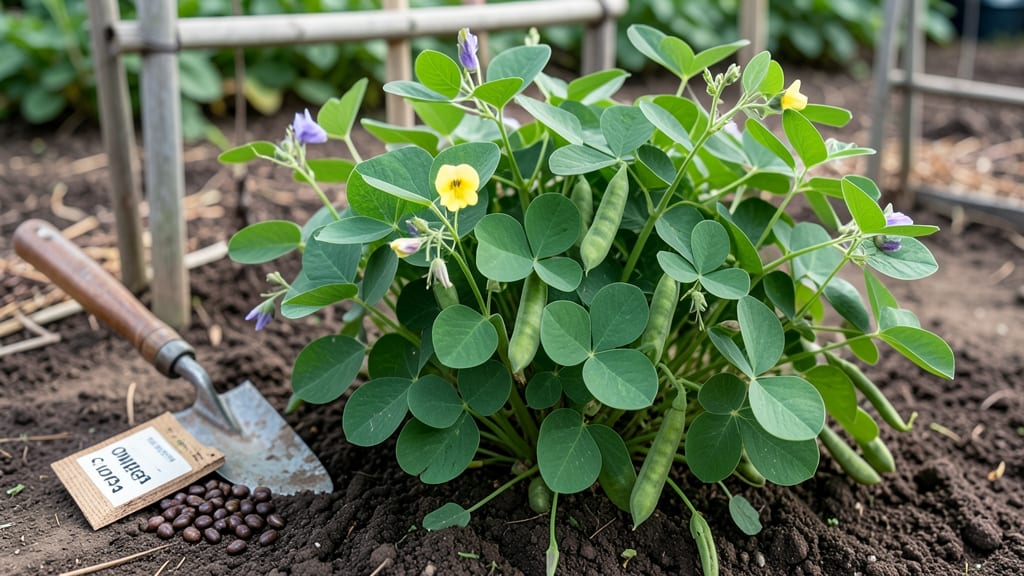
Planting cowpeas in Texas at the wrong time can mean the difference between a fast, thriving crop and a slow, struggling one. These heat-loving legumes 🌱 need warm soil to germinate quickly, and timing your planting window correctly ensures you avoid cool-season delays that stall growth.
In Texas’s 8a-10b zones, where last frost dates range from February to March, the key is planting once soil temperatures hit 68–75°F. That typically means starting in March for North Texas and as late as May for South Texas, where hotter springs speed up germination.
But don’t wait too long—planting after June risks heat stress before harvest.
Why does timing matter so much? Cowpeas are sensitive to frost but also struggle in prolonged heat before they establish roots. By aligning your planting with Texas’s microclimates, you’ll maximize fast germination and avoid the pitfalls of either too-cool or too-hot soil.
Let’s break down the best months for your region—and how to prep your soil for success.
Whether you’re growing cowpeas for their nutrient-rich pods or to boost your garden’s soil, getting the timing right is the game-changer for a bountiful harvest. Stick with me, and I’ll show you exactly when to plant for the fastest, most reliable results in your part of Texas.
Texas cowpea planting calendar: best months by region
Texas’s diverse climate means cowpea planting times vary dramatically from North Texas to the Rio Grande Valley. In USDA Zones 8a-9a (North/Central Texas), aim for mid-April to early June after the last frost (February 15 in North Texas).
Southern Texas (Zones 9b-10b) can start as early as March 1, thanks to warmer soils and longer frost-free seasons.
Cowpeas are heat-loving plants, but they won’t germinate well in soil below 68°F. In North Texas, wait until soil temperatures hit 75°F+ (usually late April) for reliable sprouting.
Meanwhile, South Texas growers can plant February-March and even September for fall harvests before the first frost (December 15).
Here’s how to align your planting with Texas’s three key regions for maximum success:
For North Texas, early planting (April) risks cool soils and slow germination, but it extends your harvest window. Late plantings (June-July) may produce smaller pods due to summer heat stress.
In Central Texas, the April-May window balances soil warmth and rainfall, while South Texas growers can push September plantings for fall harvests before frost.
Pro tip: Use a soil thermometer to confirm 75°F+ before planting—this is your green light for germination. In North Texas, black plastic mulch can warm soil 5-10°F faster, letting you plant 2-3 weeks earlier.
In South Texas, shade cloth may be needed in peak summer to prevent bolting (premature flowering).
Texas’s microclimates also play a role. Urban areas like Austin or San Antonio may have warmer microclimates than rural zones, while elevated areas (e.g., Hill Country) stay cooler longer.
Adjust your planting by 1-2 weeks based on local conditions—observe nearby gardens or check Texas A&M AgriLife Extension maps for your county.
If you’re growing cowpeas for soil enrichment (their nitrogen-fixing superpower), plant early to establish roots before summer. For pod production, prioritize late spring plantings to align with peak flowering during Texas’s long, hot summers. Either way, avoid planting in August—the oppressive heat can stunt growth before harvest.
For container gardening, start seeds indoors 4-6 weeks before your region’s last frost, then transplant outdoor-hardened seedlings when soil is warm. Containers heat up faster than ground soil, so adjust your timing 1-2 weeks earlier than in-ground plantings.
Remember: Cowpeas are annuals with a 60-90 day lifecycle. In North Texas, this means planting by July ensures harvest before frost. In South Texas, you can squeeze in two harvests per year with spring and fall plantings.
Soil temperature secrets: how warmth triggers cowpea germination
Cowpeas love heat, but they won’t germinate until your Texas soil reaches the right temperature. These legumes need soil temperatures between 68–75°F to sprout consistently. Below 60°F, germination slows dramatically, and seeds may rot in the damp, cool soil.
In Texas’s USDA zones 8a–10b, this typically means waiting until late March in North Texas or as late as April in South Texas, where warmer microclimates speed things up.
Why does warmth matter so much? Cowpeas are tropical plants at heart—they rely on soil microbes activated by heat to break down seed coatings and kickstart growth. Without enough warmth, your seeds might sit in the soil for weeks or even fail entirely.
Even if air temperatures feel spring-like, soil stays cold longer, especially in clay-heavy regions like East Texas. That’s why testing soil temperature is your secret weapon for timing perfect plantings.
Here’s how to check: Use a soil thermometer (available at garden centers for under $10) and measure 2 inches deep—where your seeds will be planted. Aim for 70°F or warmer before sowing.
In cooler regions like the Panhandle or Hill Country, this might not happen until mid-April, while Gulf Coast areas can hit ideal temps by February or March.
Pro tip: Dark-colored soil warms faster—consider adding compost or black plastic mulch to raise soil temps 2–5°F if you’re eager to plant early.
*Germination slows above 85°F due to soil drying; mulch to retain moisture.
Once your soil hits that sweet spot of 70–75°F, cowpeas can germinate in as few as 5–7 days. But if temps climb above 85°F, germination speeds up so fast that seeds may dry out before sprouting.
That’s why late spring plantings in South Texas (June–July) often require shade cloth or afternoon watering to keep soil moist. In contrast, North Texas growers should avoid planting after mid-June, as the combination of heat and drought stress can stunt young plants.
What if your soil just won’t warm up? Don’t rush—waiting a few weeks for ideal conditions beats struggling with slow, uneven germination. For example, East Texas’s humid climate can keep soils cool into April, while West Texas’s arid conditions might hit 75°F by March but dry out quickly.
Adjust your planting window based on both temperature and moisture: aim for consistent warmth + adequate rainfall (or irrigation) to avoid seedling stress.
Pro move: Use black plastic mulch or straw mulch to warm soil faster and retain moisture. I’ve seen this cut germination time by 3–5 days in my own Texas garden.
And if you’re in a cooler microclimate (like the Hill Country), consider starting seeds indoors in biodegradable pots and transplanting once soil temps stabilize. With the right warmth, your cowpeas will reward you with fast, vigorous growth and a harvest in just 60–90 days.