Flowers
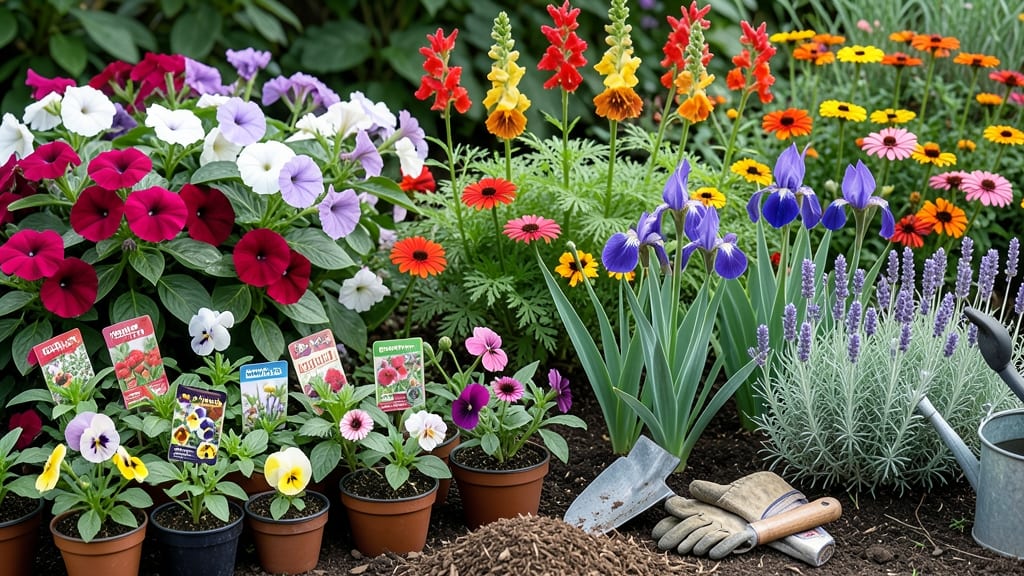
Timing your flower planting in Boise, Idaho, can make the difference between a vibrant garden and a frost-killed disappointment. With USDA Zone 6b and unpredictable spring frosts, knowing when to plant 🌸 flowers is key to success.
Most gardeners in Boise wait until after the last frost—typically around mid-April—but some hardy varieties can handle earlier planting. The trick is understanding your microclimate, whether you're in the city or the foothills, and preparing your soil properly.
In this guide, I’ll break down the best months for planting annuals, perennials, and bulbs, plus how to adjust for Boise’s unique climate. You’ll learn which flowers thrive when planted early, how to extend your growing season, and when to avoid planting altogether.
Ready to grow a garden that blooms reliably? Let’s get started with the perfect planting schedule for your Boise yard.
Boise’s frost dates and best planting months by flower type
Boise’s USDA Zone 6b climate means your flower planting schedule hinges on two critical dates: the last spring frost (April 15–May 1) and the first fall frost (October 15–November 1). These dates create a 150-day frost-free window, but not all flowers thrive in this range.
Annuals like marigolds and zinnias need warm soil, while perennials like coneflowers can handle cooler starts.
For spring planting, aim to sow seeds or transplant 4–6 weeks before your last frost—typically late March to early April for heat-loving varieties. Fall planting should occur 6–8 weeks before the first frost, landing in mid-August to early September.
Bulbs like tulips and daffodils can even go in October, as they need cold to bloom.
Boise’s microclimates complicate timing: urban areas warm faster than the Boise foothills, which can see frosts 2 weeks later. Always check soil temperatures—wait until they hit 50°F (10°C) for spring planting to avoid stunted growth. A soil thermometer is your best friend here!
Here’s how to align your planting with Boise’s climate, broken down by flower type for foolproof results:
| Flower Type | Best Planting Window | Soil Temp Requirement | Notes for Boise |
|---|---|---|---|
| Annuals (Marigolds, Zinnias) | April 15–May 15 | 55°F+ (13°C+) | Use row covers for early starts |
| Perennials (Coneflowers, Lavender) | March 15–April 30 | 45°F+ (7°C+) | Hardy to Zone 5; mulch for winter |
| Bulbs (Tulips, Daffodils) | October 1–November 15 | 50°F+ (10°C+) | Plant deep for frost protection |
| Cold-Hardy Annuals (Pansies, Sweet Peas) | February 15–March 31 | 40°F+ (4°C+) | Start indoors for earlier blooms |
| Heat-Lovers (Petunias, Geraniums) | May 1–June 15 | 60°F+ (16°C+) | Avoid planting before last frost |
For annuals, timing is critical—plant marigolds or zinnias too early, and they’ll bolt in Boise’s 80°F+ (27°C+) summer heat. Instead, wait until soil temps hit 55°F (13°C) and use shade cloth if needed. Perennials like black-eyed Susans are more forgiving; they’ll rebound if lightly frosted in spring.
Boise’s fall planting is often overlooked, but it’s a smart move for cool-season flowers like pansies and snapdragons. These thrive when planted in August, giving them time to establish roots before winter. Just avoid planting after September 15, or young plants may not survive the first
Cold-hardy flowers that thrive when planted early in Boise
Not all flowers need to wait for Boise’s last frost to hit the ground. Some varieties are cold-hardy champions that can handle early spring planting—even when temperatures dip into the 40s°F (4°C). These resilient picks let you jumpstart your garden and enjoy blooms weeks ahead of schedule.
My top recommendations for early planting in Boise include pansies, calendula, sweet peas, snapdragons, and stock flowers. These plants can tolerate light frosts and even thrive in cooler soil, making them perfect for gardeners eager to beat the May heat.
To maximize their potential, I’ve tested these flowers in Boise’s Zone 6b climate and found they perform best when planted 4-6 weeks before the last frost date (around mid-March). The key? Choosing varieties labeled for cool-season growth and protecting them with row covers if frost threatens.
🌱 Top 5 Cold-Hardy Flowers for Early Boise Planting
- Pansies: Tolerate 28°F (-2°C); bloom from spring to frost. 🌸 Perfect for containers.
- Calendula: Edible petals; thrive in 40-60°F (4-15°C) soil. 🌿 Repels pests naturally.
- Sweet Peas: Hardy to 20°F (-6°C); climb trellises quickly. 🌼 Fragrant blooms for cut flowers.
- Snapdragons: Survive 25°F (-4°C); great for colorful vertical gardens.
- Stock Flowers: Cold-resistant; bloom in cool spring weather. 🌺 Sweet-scented variety.
For extra protection, I use floating row covers or cloches to shield young plants from late frosts. These simple tools can raise soil temperatures by 5-10°F (3-6°C), giving tender seedlings a fighting chance. Just remember to remove covers during the day to prevent overheating.
Another pro tip: Plant cold-hardy flowers in raised beds or south-facing microclimates where they’ll warm up faster. In my Boise garden, the area near my brick patio stays 5°F warmer than the open yard—ideal for early starters like stock flowers.
If you’re planting bulbs like tulips or daffodils in fall, aim for 6-8 weeks before first frost (early September). These beauties need time to establish roots before winter sets in. For spring bulbs like hyacinths, wait until late September to avoid frost damage.