
Plants
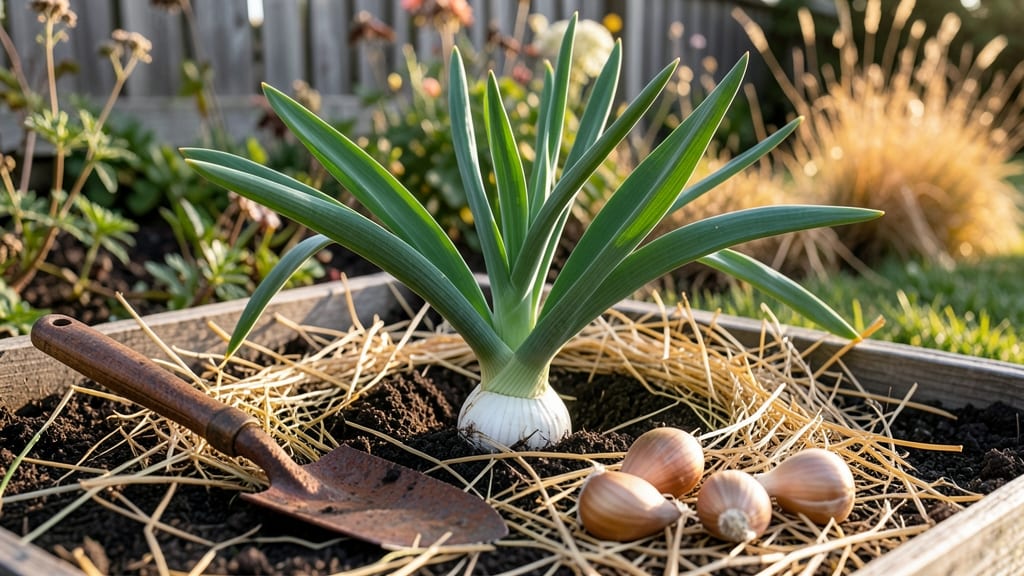
Planting garlic in Oklahoma at the wrong time can mean the difference between a thriving 🧄 harvest and wasted effort—because this hardy crop thrives when planted in the cool fall months, not spring.
If you've ever wondered why your garlic cloves failed to grow, chances are you missed the ideal window between October and November, when temperatures drop and the soil cools.
For Oklahoma gardeners in zones 6a-7b, timing is everything—plant too early, and the cloves might sprout before winter; too late, and they won’t establish strong roots before the ground freezes.
The key is to get those cloves in the soil 4-6 weeks before the first frost, usually by mid-November, so they can grow roots but stay dormant until spring.
Hardneck and softneck varieties each have their own sweet spot, but both benefit from Oklahoma’s crisp fall air. Whether you’re a first-timer or a seasoned gardener, mastering this timing ensures your garlic will bulb up beautifully by next summer. Let’s break down exactly when—and how—to plant for the best results.
From soil prep to frost dates, I’ll walk you through every step to guarantee your garlic thrives in Oklahoma’s unique climate. No more guesswork—just a foolproof plan for a bountiful harvest.
Best planting times for garlic in Oklahoma by type (hardneck vs softneck)
Oklahoma’s USDA zones 6a-7b create the perfect climate for growing garlic, but timing depends on whether you’re planting hardneck or softneck varieties. Hardnecks thrive in colder winters, while softnecks prefer milder conditions—both need precise fall planting to succeed.
For hardneck garlic, the ideal window is mid-October to early November. This timing ensures bulbs establish roots before winter dormancy. Softnecks, however, can handle a slightly later start, with late October to early December working best for Oklahoma’s climate.
Why the difference? Hardnecks need cold vernalization (4-6 weeks below 40°F) to form bulbs, while softnecks grow year-round in warmer zones. Oklahoma’s first frost (mid-November) acts as your deadline—plant too late, and you risk weak growth.
Here’s how to align your planting with Oklahoma’s frost-free days (165 days): Hardnecks need 60-75 days of cold before spring growth, while softnecks can tolerate 90 days of cooler temps. Adjust based on your microclimate—northern Oklahoma (zone 6a) may need earlier planting than southern areas (zone 7b).
Pro Tip: Use a moon planting calendar for optimal root growth. Aim for a waxing moon in October to boost bulb development.
| Variety | Best Planting Window (Oklahoma) | Cold Requirement | Harvest Time | Oklahoma Notes |
|---|---|---|---|---|
| Hardneck (e.g., Music, German White) | Mid-October – Early November | 4-6 weeks below 40°F | June – July (next year) | Best for northern OK (zone 6a) |
| Softneck (e.g., Silverskin, Artichoke) | Late October – Early December | Minimal cold (30 days below 40°F) | July – August (next year) | Better for southern OK (zone 7b) |
If you miss the fall window, spring planting is possible but risky in Oklahoma. Cloves planted in February may produce smaller bulbs due to heat stress. For best results, stick to fall—it’s the only reliable method for large, flavorful garlic in Oklahoma’s climate.
Check your local frost dates (use the National Weather Service or Old Farmer’s Almanac) to fine-tune your schedule. Southern Oklahoma’s later frosts (early December) give you a 2-week leeway compared to northern areas.
For container growing, plant hardnecks in late September to give roots time to establish before pots freeze. Use black plastic mulch to extend the season by 2-3 weeks in cooler microclimates.
Remember: Soil temperature matters too. Aim for 50-60°F at planting depth (4 inches). Use a soil thermometer to avoid planting too early when soils are still warm.
✅ Key Takeaway: Hardnecks = October, Softnecks = November. Oklahoma’s frost timing is your guide—don’t plant after mid-November for hardnecks or early December for softnecks.
Best planting times for garlic in Oklahoma by type (hardneck vs softneck)
Oklahoma’s USDA zones 6a-7b create ideal conditions for growing both hardneck and softneck garlic, but timing varies by variety. Hardnecks thrive in colder winters, while softnecks prefer milder conditions. Since Oklahoma’s first frost typically arrives in mid-November, fall planting is critical for success.
For hardneck garlic, the best planting window is between mid-October and early November. This timing ensures bulbs establish roots before winter dormancy. Meanwhile, softneck garlic can handle slightly later planting, with late October to December working well in Oklahoma’s warmer southern regions.
Missed the fall window? Don’t worry—Oklahoma’s mild winters allow for spring planting (March-April) as a backup, though yields may be smaller. The key is planting 4-6 weeks before the ground freezes to avoid winter kill.
Oklahoma’s variable frost dates make local research essential. Check your last frost date (usually mid-November) and plant 6 weeks beforehand. For example, if frost hits November 15, aim for late September to early October planting.
Local gardeners in northern Oklahoma (zone 6a) often plant hardnecks in October to maximize cold exposure, while those in southern Oklahoma (zone 7b) may extend planting into December for softnecks. Always choose large, healthy cloves from reputable suppliers for best results.
Pro tip: Use a garlic planting calendar tailored to Oklahoma’s climate. Many local extension offices provide free frost date forecasts—perfect for planning your garlic harvest for June-July of the following year.