Plants
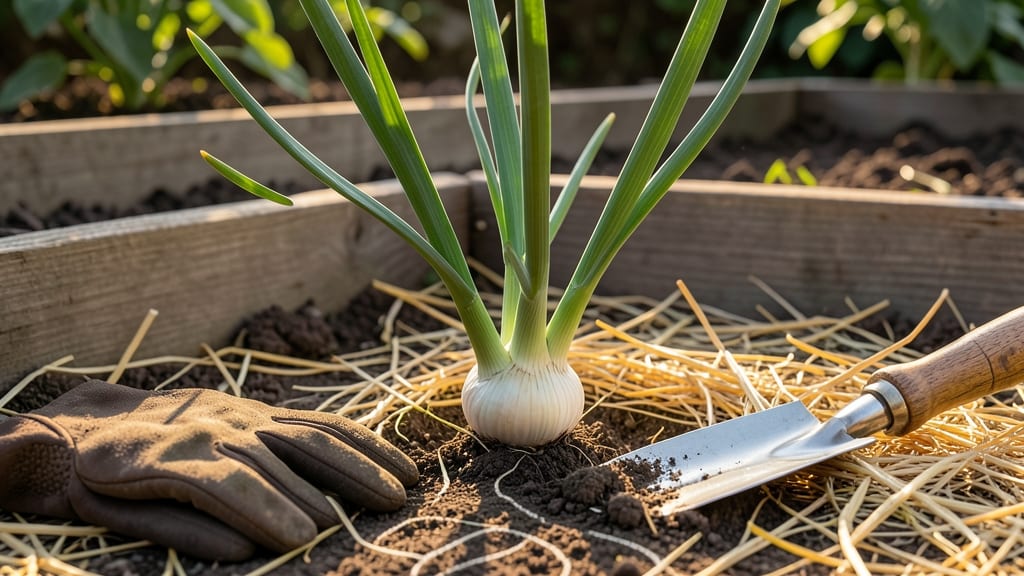
Planting garlic in Zone 8b at the wrong time can turn your 🧄 harvest into a gamble—too early, and you risk bolting; too late, and your bulbs stay puny. The secret to plump, flavorful cloves lies in understanding your region's unique climate, where mild winters demand precise timing.
Most gardeners in Zone 8b swear by planting in October or November, but there's a reason behind this window. When soil temperatures dip below 60°F, garlic enters dormancy, and the 8-12 week countdown to frost triggers bulb formation.
Miss this sweet spot, and you'll end up with scraggly stalks instead of the harvest you crave.
Don't let common myths fool you—Zone 8b's extended growing season means you can actually plant twice a year if you're strategic. I'll show you how to time it perfectly for maximum yield, from soil prep tricks to avoiding the pitfalls that ruin harvests.
Let's get those cloves in the ground the right way.
Whether you're a first-time grower or a seasoned gardener looking to fine-tune your method, these insights will help you double your harvest. We'll cover everything from spacing secrets to companion plants that boost growth—so you can enjoy homegrown garlic from June through July without the guesswork.
Best months to plant garlic in Zone 8b for maximum yield
Zone 8b's mild winters create a unique opportunity for garlic growers—you can actually plant twice a year if you time it right. The primary planting window is October through November, but a secondary window in January–February works too.
The key is aligning your planting with soil temperatures and frost dates to trigger bulb formation.
Garlic needs 8–12 weeks of cool weather (below 60°F) to form bulbs. In Zone 8b, planting in late October ensures your cloves experience the cool winter months needed for proper bulb development.
If you miss this window, don’t worry—a January planting can still yield harvests by mid-summer, though bulbs may be smaller.
Many gardeners in Zone 8b avoid planting in September because soil temperatures are often still too warm. Warm soil triggers early sprouting, which can lead to bolting (premature flowering) and smaller bulbs. Wait until soil temps drop below 60°F—usually by mid-October—for the best results.
Here’s how to choose the right planting window based on your goals:
| Planting Window | Soil Temp Requirement | Frost Alignment | Bulb Size Potential | Harvest Month |
|---|---|---|---|---|
| October–November | Below 60°F | 8–12 weeks before first frost | Large (ideal) | June–July |
| January–February | Below 50°F | 6–8 weeks before last frost | Medium (smaller) | July–August |
| September (risky) | Above 60°F | Too early (bolting risk) | Small (poor quality) | Not recommended |
For the best results in Zone 8b, aim for a late October planting. This gives your garlic enough time to establish roots before winter and then experience the cool spring temperatures needed for bulb swelling.
If you’re experimenting with a January planting, choose hardneck varieties like ‘Music’ or ‘German White’, as they tolerate cooler soils better.
Pro tip: Use a soil thermometer to confirm temps are below 60°F before planting. In Zone 8b, this often happens by mid-October, but it can vary yearly. Don’t rush—waiting a few weeks for cooler soil prevents bolting and ensures stronger bulbs.
Another critical factor is daylength. Garlic bulbs form when days start lengthening in late winter. Planting in October ensures your cloves experience this natural cue at the right time.
If you plant too late (e.g., December), your garlic may not have enough time to mature before summer heat sets in.
Zone 8b gardeners often ask: "Can I plant garlic in December?" The answer is yes, but with caveats. A December planting can still work, but bulbs will be smaller because the growing season is shorter.
If you choose this route, opt for early-maturing varieties like ‘Silverskin’ and plant in early December for a late-summer harvest.
Remember, garlic is a cool-season crop, and Zone 8b’s mild winters are your advantage. By planting at the right time, you’ll avoid the common pitfalls of bolting, poor bulb formation, and wasted effort. Next, we’ll dive into soil prep and spacing to maximize your harvest even further.
Best months to plant garlic in Zone 8b for maximum yield
Zone 8b's mild winters create a unique opportunity for garlic growers—planting at the right time can double your harvest. The ideal window is October through November, when soil temperatures hover between 50-60°F.
This timing ensures garlic gets the 8-12 weeks of cold it needs to form bulbs before summer heat arrives.
For those who miss the fall window, a January-February planting is possible, but bulbs may be smaller. The key is aligning planting with your last frost date (around December 15 in Zone 8b). Too early, and garlic may bolt; too late, and bulbs won't mature fully before summer.
Here's how to decide: Check soil temps with a soil thermometer. Garlic thrives when temps are below 60°F for bulb development. In Zone 8b, this happens naturally in late fall and winter, making these months perfect.
🌱 Zone 8b Garlic Planting Comparison
| Planting Window | Soil Temp | Bulb Size | Best Varieties |
|---|---|---|---|
| October–November | 50–60°F | Large | Silverskin, Artichoke |
| January–February | 45–55°F | Medium | Rocambole, Softneck |
✅ Pro Tip: Use hardneck varieties for fall planting—they handle cold better and produce larger bulbs.
Proper spacing is critical in Zone 8b's warm winters. Plant cloves 4-6 inches apart in rows 8-12 inches apart to prevent competition. Overcrowding leads to smaller bulbs and increased disease risk. In my garden, I use a stake-and-string method to mark rows for precision.
Don't forget about companion planting! Pair garlic with rosemary, thyme, or beans to deter pests like aphids. Avoid planting near onions or leeks, as they compete for nutrients. In Zone 8b, where pests thrive year-round, these pairings make a huge difference in yield.
Finally, mulch heavily with straw or leaves after planting. This insulates soil, maintains moisture, and protects cloves from temperature fluctuations—a common issue in Zone 8b's unpredictable winters. With the right timing and care, you'll harvest plump, flavorful bulbs by June or July.