
Planting
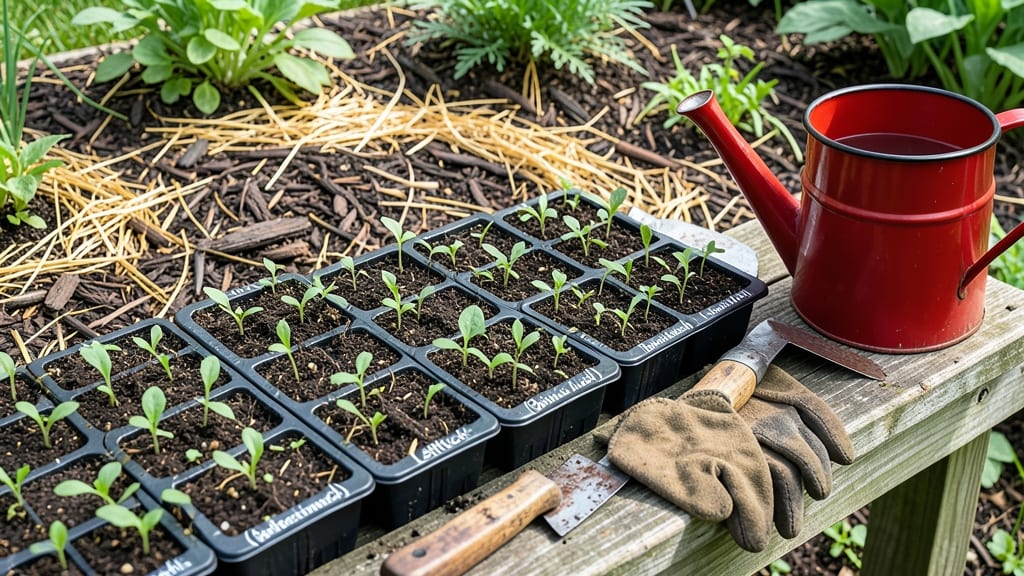
Timing your garden right in New Brunswick isn’t just about luck—it’s about knowing when to plant to beat frost and maximize your harvest. With last frosts creeping in as late as mid-June in some regions, warm-season crops like tomatoes and peppers need precise planting windows to thrive.
I’ve grown gardens across New Brunswick’s varied climate zones, and the difference between a bountiful harvest and a disappointing one often comes down to when you put seeds in the ground. Whether you’re in coastal Saint John or inland Fredericton, understanding your local frost dates is the key to success.
In this guide, I’ll break down the exact planting windows for vegetables, flowers, and perennials tailored to your region. You’ll learn how to adjust for microclimates, prepare your soil, and avoid common mistakes that waste time and resources.
Ready to turn your garden dreams into reality? Let’s dive into the frost-free timeline that works for New Brunswick’s unique growing conditions.
New Brunswick’s frost-free dates by region: when to plant cool vs warm season crops
New Brunswick’s climate varies dramatically between its coastal areas and inland regions, making frost dates the most critical factor for successful planting.
The Fundy Shore and Saint John areas typically experience later last frosts than Fredericton or Moncton, giving coastal gardeners a 2-3 week advantage for warm-season crops like tomatoes and peppers.
According to Environment Canada, Fredericton’s average last frost date is May 15, while Saint John’s coastal influence pushes this back to May 22. Rural areas in the Saint John River Valley often see frosts linger until May 25, so plan accordingly.
These dates mark the safe window for planting warm-season vegetables directly in the ground.
For cool-season crops like peas, lettuce, and spinach, you can start sowing as early as late April in most regions, but use row covers to protect tender seedlings from late frosts.
In Zone 5a (most of NB), soil temperatures must reach 10°C (50°F) before planting heat-loving crops like cucumbers and beans.
Here’s how to use these frost dates for your garden planning:
If you’re growing warm-season crops like tomatoes or peppers, start seeds indoors 8-10 weeks before your region’s last frost date. For Fredericton, this means beginning seeds by March 15, while Saint John gardeners can wait until March 25.
Coastal areas like the Bay of Fundy benefit from milder winters, allowing for earlier starts.
For perennial flowers and shrubs, plant in early spring (April) or fall (September-October) when soil is workable but not frozen. Mulch heavily after planting to protect roots from winter temperature swings, which can be severe in inland areas like Woodstock or Campbellton.
Remember that microclimates play a huge role—south-facing slopes warm up faster, while low-lying areas may stay colder longer. Use these frost dates as guidelines, but always monitor your local soil temperature and weather forecasts for adjustments.
For herbs like basil and cilantro, wait until after the last frost but before July 15, as they bolt (flower prematurely) in New Brunswick’s summer heat. Cilantro thrives in cool spring weather, while basil needs consistent warmth to flourish.
Pro tip: Use frost cloth or row covers to extend your growing season by 2-4 weeks in both spring and fall. This is especially useful for leafy greens and root vegetables like carrots and beets.
🌱
How to adjust planting times for New Brunswick’s microclimates and soil conditions
New Brunswick’s diverse geography means your planting schedule should adapt to your specific location. Coastal areas like the Fundy Shore enjoy milder winters, while inland zones near Fredericton experience colder snaps.
Even within a single region, microclimates—like south-facing slopes or sheltered valleys—can shift your ideal planting window by 1-2 weeks.
I’ve seen gardeners in Saint John plant tomatoes 2 weeks earlier than those in Grand Falls due to coastal warmth. Always check local frost data from Environment Canada and observe your garden’s unique conditions for at least 2 seasons to refine timing.
Your soil type also demands adjustments. Heavy clay soils stay cold longer and dry out slowly, while sandy soils warm up faster but drain too quickly.
For clay-heavy areas, aim to plant cool-season crops like peas and spinach 2 weeks earlier than the general guideline, and warm-season crops like beans and squash 2 weeks later.
🌱 Microclimate Adjustments for New Brunswick
- Coastal (Saint John, Moncton): Plant warm crops 10-14 days earlier than inland
- Inland (Fredericton, Miramichi): Delay warm crops until mid-June to avoid frost
- South-facing slopes: Plant 1 week earlier—warmer microclimate
- Valleys/low areas: Plant 1 week later—cooler air settles
- Urban areas: Concrete absorbs heat—plant 3-5 days earlier for warm crops
Extend your growing season with simple tools like row covers or cold frames. These can push back the last frost date by 2-4 weeks, allowing you to plant lettuce or radishes as early as late March in protected beds.
For warm-season crops, use black plastic mulch to warm soil 5-10°F faster than bare ground.
Soil temperature matters just as much as air temperature. Use a soil thermometer to confirm when to plant. Warm-season crops like tomatoes need soil at 60°F (15°C) or warmer—waiting for this milestone saves money on seed replacements.
In New Brunswick, this typically aligns with late May to early June for most regions.
Don’t overlook the first frost dates either. Coastal areas often see their first frost in mid-October, while inland zones can face frost as early as late September.
Plan to harvest or protect tender plants like basil and cucumbers before these dates. For perennials, aim to get them planted 4-6 weeks before your area’s first frost.
Finally, keep a garden journal to track your successes. Note which crops thrived with early or late planting, and adjust future schedules accordingly. With these tweaks, you’ll turn New Brunswick’s challenges into opportunities for a longer, more productive growing season.