
Plants
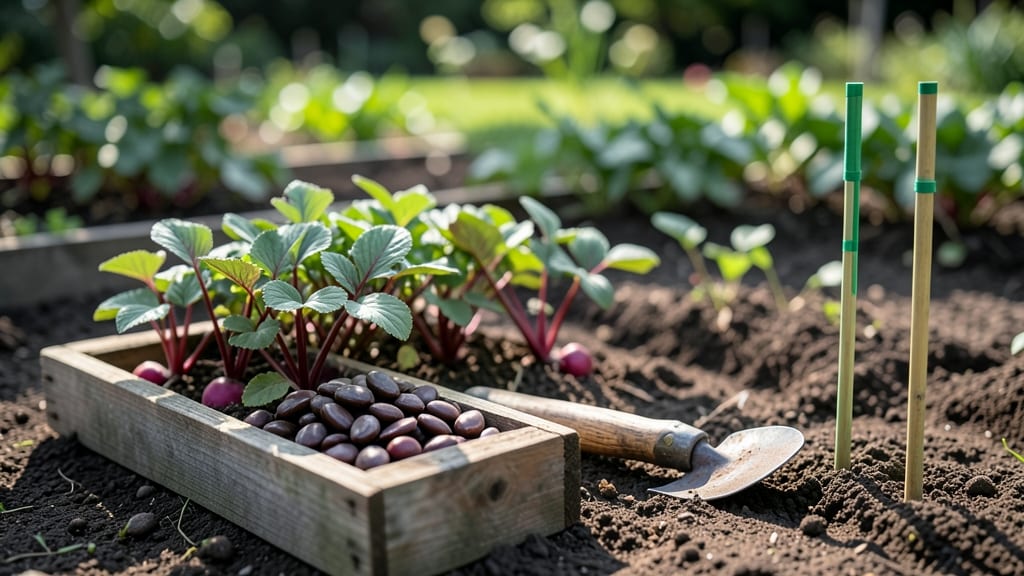
Timing your beet 🍠 planting in South Carolina can mean the difference between a bumper crop and a disappointing harvest—especially when you're working with the state's unpredictable spring frost dates and scorching summer heat.
Most gardeners in zone 8a make the mistake of planting too early, only to watch their tender seedlings freeze or bolt in the heat.
The key is knowing exactly when to start seeds indoors or direct-sow outdoors to align with your last frost date—typically around March 15—while avoiding the summer slump that turns sweet roots bitter.
In this guide, I’ll break down the exact planting windows for both spring and fall beets, including how to adjust for microclimates and extend your harvest through succession planting.
Whether you're a first-time gardener or a seasoned pro, these strategies will help you grow beets that stay crisp, sweet, and ready to harvest from May through October.
Ready to master the art of beet timing? Let’s dive into the frost-resistant schedule that works for South Carolina’s climate—so you can enjoy homegrown beets all season long without the guesswork.
Best beet planting dates in South Carolina by climate zone
South Carolina’s three distinct climate zones—Coastal, Piedmont, and Upstate—each demand a tailored approach to beet planting. The key is avoiding frost damage in spring and summer bolting from heat stress.
Coastal areas (Zone 8b) enjoy milder winters, while Upstate regions (Zone 7b) face earlier frosts. Let’s break down the optimal planting windows for each zone to ensure a steady harvest.
For all zones, soil temperature is your best guide: beets thrive when soil reaches 50°F or warmer. Use a soil thermometer to confirm readiness—cold soil stunts growth. In SC, this typically aligns with mid-February to early April for spring plantings and late July to early September for fall.
Timing these windows correctly prevents bitter, woody roots and maximizes sweetness.
Pro Tip: Coastal gardeners can start 2-3 weeks earlier than Upstate growers due to delayed frost dates. Always check your local USDA zone map for microclimate adjustments—urban areas or elevated spots may frost earlier than rural zones.
🌱 Beet Planting Timeline for South Carolina
| Zone | Spring Planting Window | Fall Planting Window | Key Considerations |
|---|---|---|---|
| Coastal (Zone 8b) | Late February - Early April | Mid-August - Early October | Longer growing season; avoid July heat |
| Piedmont (Zone 7b-8a) | Mid-March - Mid-April | Late July - Late September | Moderate frost risk; use row covers |
| Upstate (Zone 7b) | Early April - Mid-April | Early August - Mid-September | Earliest frost dates; prioritize fall |
📅 Harvest Windows: May-June (spring) & September-October (fall)
Spring plantings in Coastal SC can start as early as late February, but avoid sowing before March 1 unless you’re using row covers or a cold frame. The goal is to have beets reach harvest size (1-3 inches) before summer heat (after June 15) triggers bolting.
For Upstate gardeners, wait until mid-April to ensure soil warms consistently.
Fall plantings are equally critical—late July to early September gives roots time to mature before first frost (Nov 15). Coastal areas can extend into early October, while Upstate gardeners should finish by mid-September.
Planting too late risks small, tough roots or frost damage. Use black plastic mulch to warm soil faster in fall.
Don’t overlook succession planting! Sow new seeds every 2-3 weeks during your zone’s planting window to ensure a continuous harvest. For example, in Piedmont, plant on March 15, April 1, and April 15 for staggered maturity. This technique works year-round, even in fall.
For storage beets (like Detroit Dark Red), prioritize fall plantings. These varieties develop sweeter, longer-storing roots when grown in cooler temperatures. Aim to harvest before hard frosts (below 25°F) by curing roots in the soil for 24 hours before storing in a cool, dark place.
🌿 Zone-Specific Hack: Upstate gardeners can cheat the system by starting seeds indoors in late February (using grow lights) and transplanting after last frost. This extends your growing season by 4-6 weeks and avoids early-season pests.
How to time beet planting for maximum sweetness and storage life
Timing your beet planting isn’t just about avoiding frost—it’s about unlocking their sweetest flavors and extending your harvest. In South Carolina’s heat, beets planted too early in spring or too late in summer often bolt (flower prematurely) or develop woody, bitter roots.
The key? Plant when soil temperatures hit 50°F+ and use succession planting to keep a steady supply.
For the most tender, sweet beets, focus on two windows: late winter/early spring (February–March) and late summer/early fall (August–September). Fall-planted beets, in particular, develop deeper sweetness as they mature through cooler weather. This is why many SC gardeners swear by their September harvests—they’re sweeter and store longer!
Here’s my pro tip: Use a soil thermometer to confirm temperatures before planting. Beets need consistent warmth to grow, but they’ll bolt if stressed by heatwaves above 85°F.
In SC’s Piedmont region, aim for April 15–May 1 for spring plantings, while Coastal areas can start slightly earlier due to milder winters.
| Planting Window | Soil Temp Goal | Harvest Timeframe | Sweetness Tip |
|---|---|---|---|
| Late February–Early April | 50°F+ | May–June | Plant in partial shade if temps rise above 80°F. |
| Late July–Early September | 60°F+ | September–October | Fall beets develop deeper sweetness before frost. |
To stretch your harvest, try succession planting every 2–3 weeks during your ideal windows. This means sowing a fresh batch when your first seeds sprout.
For example, if you plant your first round on March 1, follow up with seeds on March 15, March 30, and April 15 to ensure a continuous supply through June.
Companion planting also boosts your chances of success. Pair beets with garlic, onions, or brassicas to deter pests like leaf miners. Avoid planting near pole beans or sunflowers, which can compete for nutrients.
In my garden, I’ve found that lettuce and radishes make excellent neighbors—they grow quickly and mark the space while beets mature.
For storage-friendly beets, prioritize fall plantings in August. These roots develop thicker skins and sweeter flesh before winter. Harvest them before the first frost (around November 15 in SC), then store in a cool, dark place where they’ll keep for 2–3 months.
Pro tip: Cure them for 24 hours in a dry, shaded spot before storing to toughen their skins.
Finally, watch for bolting signs—long, skinny leaves or flower stems—and adjust your timing next year. If your beets bolt in summer, try shade cloth or switch to heat-tolerant varieties like 'Detroit Dark Red'. With the right timing, you’ll enjoy homegrown beets from spring through fall! 🌱