
Plants
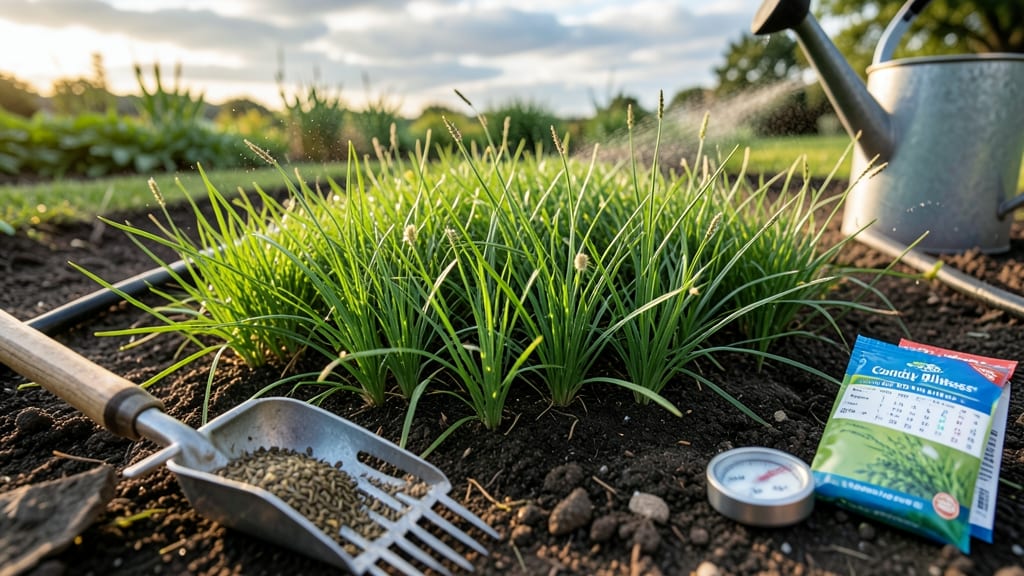
Minnesota’s ideal grass seed planting window: late August to mid-September deadline
Minnesota’s cool-season grasses like Kentucky bluegrass and tall fescue thrive when planted during the ideal window of late August through mid-September.
This timeline ensures 4-6 weeks of warm soil before the first frost, allowing roots to establish before winter dormancy. Southern Minnesota (USDA Zone 5) often gets a slightly later cutoff, while northern regions (Zone 4) must plant earlier to avoid early freezes.
The soil temperature must stay above 50°F (10°C) for at least 4-6 weeks post-planting.
By mid-September, most of Minnesota meets this threshold, but northern counties may need to start by early September. Frost dates vary—southern MN averages first frost around October 15, while northern areas can see frost as early as October 1.
For best results, aim to plant 4-6 weeks before frost.
This gives seedlings enough time to develop 2-3 inches of root growth, improving their chance of surviving winter. Late-September plantings in southern MN may still work, but northern gardens risk weak establishment if frost hits before roots form.
🌱
📋 Minnesota Grass Seed Planting Timeline
| Region | Ideal Planting Window | Soil Temp Requirement | First Frost Risk |
|---|---|---|---|
| Southern MN (Zone 5) | Late Aug - Mid-Oct | 50°F+ for 6+ weeks | Mid-October |
| Northern MN (Zone 4) | Early Aug - Early Sept | 50°F+ for 4+ weeks | Early October |
| Twin Cities Metro | Late Aug - Early Oct | 50°F+ for 5+ weeks | Late October |
⏰ Plant before roots freeze!
If you’re planting in September, prioritize cool-season grasses like tall fescue or fine fescue, which tolerate cooler soils better than Kentucky bluegrass. Ryegrass is another excellent late-season choice, germinating quickly and providing winter cover before spring overseeding.
Test your soil temperature with a soil thermometer—aim for 55-65°F (13-18°C) for optimal germination. Warmer soils speed up sprouting, but cooler temps reduce disease risk. Morning planting is ideal to avoid midday heat stress on newly seeded areas.
For northern Minnesota, consider early September as your cutoff. Southern gardens can push to early October if soil stays warm. Always check the National Weather Service for 10-day forecasts—a hard freeze before roots establish can kill seedlings.
After planting, water deeply 2x daily for the first 2 weeks to encourage root growth. Mulch lightly with straw to retain moisture and protect seeds from wind and wildlife. Avoid heavy foot traffic until grass reaches 3 inches tall.
🌿
Late-September planting risks: what happens if you miss the cutoff?
Planting grass seed after mid-September in Minnesota pushes your lawn into a high-risk zone. The shorter daylight hours and dropping soil temperatures slow germination, leaving young roots vulnerable to frost damage before they establish.
Without proper care, your investment could end up as winter kill—bare patches where seeds failed to thrive.
Cool-season grasses like Kentucky bluegrass and tall fescue need 4-6 weeks of warm soil to develop a strong root system. If planted late, they may only get 2-3 weeks of ideal growing conditions before the first frost hits.
This weak root zone struggles to survive winter, leading to thin, patchy lawns come spring.
Another risk is uneven germination. Late-season planting often means inconsistent soil moisture—either too dry from lingering summer heat or too cold to absorb water properly. This creates bare spots where seeds didn’t sprout or where young grass froze back.
Even if seeds germinate, frost heaving can uproot tender seedlings. The ground freezes and thaws unevenly, pushing young roots out of the soil. Without protective measures, your lawn may look like a failed experiment by spring.
🚨 Callout Warning 🚨
Planting after mid-September increases frost damage risk by 40-60%. Weak roots mean thin lawns next spring, not lush coverage.
🔹 Soil temp drops below 50°F (10°C) → germination slows.
🔹 First frost (mid-October) → seedlings freeze before rooting.
🔹 Winter kill → bare patches where grass didn’t survive.
If you must plant late, focus on cold-hardy varieties like fine fescue or ryegrass, which tolerate colder soils better. Pair this with protective mulch (straw or peat moss) to insulate seeds and retain moisture.
Even then, expect slower growth and less dense coverage compared to spring or early fall plantings.
For best results, stick to the mid-September deadline. If you’ve already missed it, don’t panic—just adjust your approach. Next spring, you’ll thank yourself for the stronger, healthier lawn that starts with a solid root system.