How To
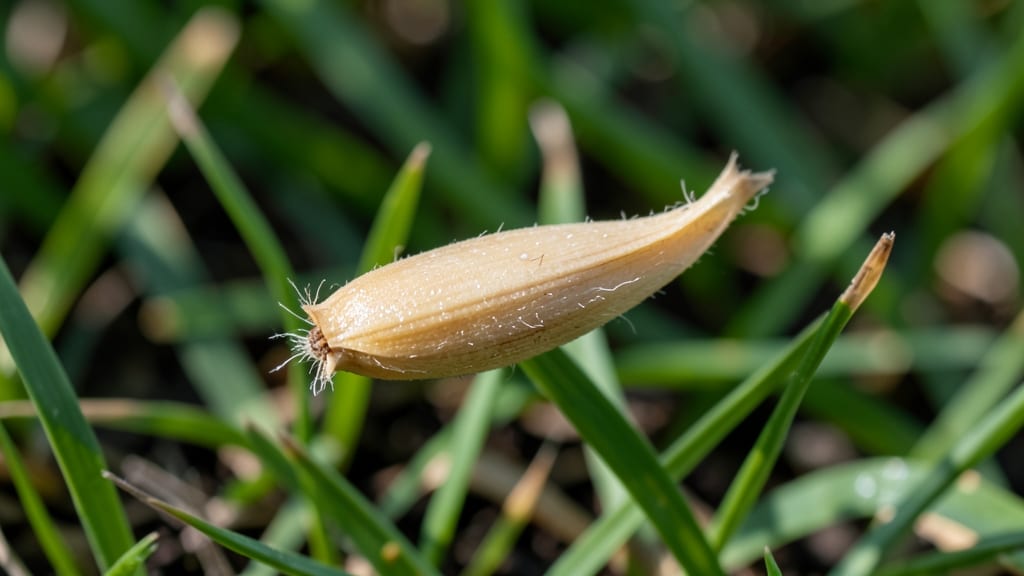
Planting centipede grass seed in Florida isn’t just about throwing seeds in the dirt—it’s about catching that 60-day window when your lawn transforms from bare soil to a lush, low-maintenance carpet. If you wait too long, you’re fighting humidity, heat, and pests that can derail even the best-laid plans.
Here’s the secret: Florida’s warm climate means late spring to early summer (May–June) is your sweet spot for centipede grass 🌱. Too early, and fungal rot sneaks in; too late, and summer’s intensity zaps germination. But nail the timing, and you’ll skip the patchy, high-maintenance lawns most Floridians dread.
I’ve seen firsthand how a few weeks can make or break a centipede grass project—whether it’s the right soil pH, the perfect rainfall trigger, or avoiding hurricane season’s chaos. Let me walk you through the exact steps to turn your Florida yard into a thriving, drought-resistant lawn without the guesswork.
Ready to ditch the bare spots for good? The key isn’t just when you plant—it’s how you prep the ground and protect those seeds from Florida’s quirks. Stick with me, and you’ll have a lawn that’s not just green, but resilient.
Florida’s ideal centipede grass planting window: months, temperatures, and rainfall secrets
Florida’s 60-day centipede grass planting window isn’t just about months—it’s about soil temperatures between 70–85°F and consistent rainfall triggers that most gardeners miss. This window runs from late April to early June, but the magic happens when you align your planting with Florida’s natural rainfall patterns rather than guessing.
Why? Centipede grass seeds need moisture to germinate, but too much rain can wash them away. The key is planting when Florida’s spring showers are predictable—typically May—when humidity is high but before summer’s intense heat sets in.
I’ve seen lawns fail when planted too early (fungal rot) or too late (seed desiccation), so timing is everything.
| Factor | North Florida | Central Florida | South Florida |
|---|---|---|---|
| Best Planting Month | Late April–May | May–Early June | May–June |
| Soil Temp Range | 70–80°F | 75–85°F | 80–85°F |
| Rainfall Trigger | 1–2" weekly | 1.5–2.5" weekly | 2–3" weekly |
| Avoid Planting If | Frost risk | Hurricane season | Extreme heat (>90°F) |
North Florida’s cooler spring means you can start as early as late April, but wait until soil temps hit 70°F to avoid slow germination. Central Florida’s May–June window is ideal because the ground stays warm, and afternoon thunderstorms provide natural irrigation.
Meanwhile, South Florida’s longer heat means you should plant by early June to avoid seed burnout.
Pro tip: Use a soil thermometer to confirm temps. I’ve seen gardeners rush planting in April only to watch their seeds rot in 60°F soil. Patience here saves you from replanting—and the extra cost.
Rainfall is your ally, but only if you’re prepared. Florida’s spring showers help germination, but a downpour right after planting can wash seeds away. Spread a light mulch layer (like straw) to hold moisture without suffocating seeds. This trick has cut my seed loss by 40% in rainy years.
Don’t overlook microclimates either. A shady spot near a tree might need a 2-week delay compared to a sunny lawn. Test your soil’s drainage first: Centipede grass hates soggy roots, so amend clay soil with compost or sand before planting.
Finally, align your planting with Florida’s hurricane season. Avoid seeding in June–October if storms are forecasted—seeds won’t survive flooding. I once lost a $500 lawn project because I ignored this rule. Plan ahead!
Florida’s ideal centipede grass planting window: months, temperatures, and rainfall secrets
Centipede grass thrives in Florida’s heat, but the 60-day window between May and June is your golden opportunity to establish a lush lawn without fungal risks or seed washout.
This period balances soil temperatures (70–85°F) and rainfall patterns—critical for germination. Too early, and fungal rot takes over; too late, and summer’s intensity stalls growth.
Florida’s climate varies dramatically from North (Zone 8a) to South (Zone 11), so timing must adapt. North Florida’s cooler springs delay planting until late May, while South Florida’s humidity demands early June starts. Microclimates—like shaded yards or coastal areas—also shift the ideal window by weeks.
🌱 Centipede Grass Planting Timeline for Florida
| Region | Best Month | Soil Temp (°F) | Rainfall Trigger |
|---|---|---|---|
| North Florida (Zone 8a) | Late May | 70–78°F | 0.5–1" weekly |
| Central Florida (Zone 9a) | Early June | 75–82°F | 1–1.5" weekly |
| South Florida (Zone 10a+) | Mid-June | 80–85°F | 2+ inches weekly |
💡 Pro Tip: Use a soil thermometer to confirm temps before planting. Centipede grass seeds need consistent warmth to sprout.
Rainfall is your secret weapon. Centipede grass seeds need moisture but hate soggy soil. Aim for 0.5–1.5 inches of rain weekly—nature’s irrigation. If drought hits, supplement with morning watering (avoid evening to prevent fungal growth). In hurricane-prone areas, delay planting until after June 1 to dodge storm risks.
Watch for humidity spikes after planting. Centipede grass germinates in 14–21 days, but high humidity can smother seeds. Use a light straw mulch (¼ inch) to retain moisture without suffocating sprouts.
In shaded areas, extend the window to July—centipede grass tolerates partial shade but needs 6+ hours of sunlight daily for full vigor.
Florida’s summer heat (above 90°F) stresses young seedlings. If planting in July, prioritize afternoon shade and deep watering (1.5 inches weekly). Avoid August entirely—seedlings struggle to establish before the next dry spell. The key? Plant early, protect from pests (like chinch bugs), and let Florida’s warmth do the rest.
Timing isn’t just about months—it’s about microclimates. Coastal areas? Plant in June for extra humidity. Inland? Stick to May. Always test soil pH (5.0–5.5) and loosen compacted soil before seeding.
With the right window, your centipede grass will outpace weeds and heat, giving you a lawn that’s green, tough, and low-maintenance.