
Plants
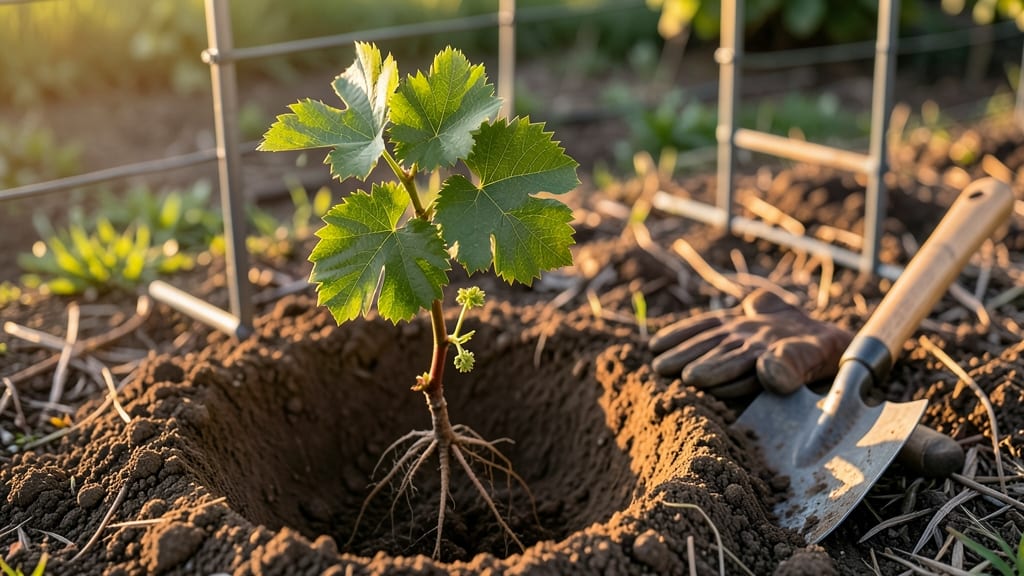
Planting grape vines at the wrong time in Zone 7 can mean the difference between a thriving 🍇 vineyard and lost investment—frost, heat stress, and slow establishment all depend on timing.
If you've ever wondered why some vines struggle while others flourish, the answer lies in understanding your local frost dates and soil conditions.
In Zone 7, where last frosts typically hit around March 15, early spring and fall offer the best windows for planting. The key is getting those roots established before winter arrives or summer heat sets in.
I'll break down exactly how to time it right, so your grape vines have the best chance to take hold and grow strong.
You don't need to be a gardening expert to get this right—just a few simple strategies. We'll cover soil prep, frost protection, and even how to adjust for those tricky microclimates that can throw off your best-laid plans.
Let's make sure your grape vines get off to the best possible start.
Whether you're planting bare-root vines in early spring or dormant ones in fall, these insights will help you avoid common mistakes. By the end, you'll know exactly when to plant for maximum success in your Zone 7 garden.
Zone 7 grape vine planting windows: frost-date calculations for success
Timing is everything when planting grape vines in Zone 7, where last frost dates can vary by weeks depending on your specific location.
The 3-4 week window between March 15 and April 15 (spring) or September 15 to October 15 (fall) offers the best chance for root establishment before summer heat or winter frost arrives.
To pinpoint your exact planting window, check the USDA Plant Hardiness Zone Map for your Zone 7 subregion. Northern Zone 7 areas (like parts of Pennsylvania) may experience late frosts until April 30, while southern areas (like Georgia) can plant as early as March 1.
I always verify with my local Cooperative Extension Service for hyper-local data.
Soil temperature is your second critical factor. Grape vines need soil that’s 50-60°F at a 4-inch depth to thrive. Use a soil thermometer to monitor—planting too early in cold soil stresses roots. In my Virginia garden, I’ve found that April 1 is the safest bet for spring planting.
Fall planting offers a second chance for Zone 7 gardeners. Dormant vines planted in September-October establish roots before winter, giving them a head start in spring. Just ensure your vines have 6-8 weeks before the first frost (typically November 15 in Zone 7) to harden off properly.
Microclimates within Zone 7 can shift planting windows by 2-3 weeks. A south-facing slope warms up faster than a north-facing valley, while urban areas may experience heat islands that delay frost.
I once planted Concord grapes in my sunny backyard two weeks earlier than my neighbor’s shaded yard—no frost damage, but his vines struggled.
Container planting extends your Zone 7 window by adding mobility. Move potted grape vines indoors or to a garage if a late frost threatens. I’ve successfully overwintered Muscadine grapes in 15-gallon pots by burying them in mulch and moving them to a sheltered spot.
Just remember: containers dry out faster, so deep watering is critical.
For bare-root vines, spring planting is ideal—they wake up from dormancy and establish roots before summer heat. Potted vines, however, can be planted in late spring (May) as long as you’ve hardened them off and they’re in well-draining soil.
I always soak bare-root vines for 2-3 hours before planting to rehydrate roots.
Pro tip: Use row covers if planting in late April when frost is still possible. They add 2-4°F protection and can save your young vines. Last year, my Norton grapes survived a 28°F night thanks to a lightweight frost blanket—no damage at all!
Never plant grape vines in Zone 7 during summer (June-August). The intense heat causes transplant shock, and vines struggle to establish before winter. If you miss spring/fall windows, wait until next year—patience pays off with stronger, hardier v
Zone 7 grape vine planting windows: frost-date calculations for success
Understanding your Zone 7 frost dates is the first step to planting grape vines successfully. In this zone, the average last spring frost occurs around March 15, while the first frost typically arrives by November 15.
These dates create a narrow window for planting that balances frost risk with soil warmth.
For best results, aim to plant grape vines when soil temperatures reach 50-60°F. This usually falls in early spring (March-April) or fall (September-October). Planting too early risks frost damage, while waiting too long may delay root establishment before winter.
Use the USDA Plant Hardiness Zone Map to confirm your exact frost dates, as microclimates can shift these by 1-2 weeks. For example, areas near large bodies of water may experience later frosts, while inland regions often warm up faster.
🌱 Zone 7 Grape Vine Planting Timeline
| Season | Ideal Planting Window | Soil Temp | Key Considerations |
|---|---|---|---|
| Early Spring | March 15 - April 15 | 50-60°F | Bare-root vines; protect from late frosts |
| Fall | September 15 - October 15 | 60-70°F | Dormant vines; 6-8 weeks before frost |
Spring planting gives vines 6-8 weeks of warm weather to establish roots before summer heat arrives. Fall planting allows vines to develop roots before winter dormancy, but avoid planting too close to frost dates—vines need time to harden off.
For container-grown vines, extend your planting window slightly by using black plastic mulch to warm soil faster in spring or row covers to protect young plants from unexpected late frosts. These adjustments can help you plant up to 2 weeks earlier or later than the ideal window.
Always check your local almanac or weather service for 5-year averages—they often provide more accurate frost dates than general zone maps. With this data, you can fine-tune your planting schedule for maximum success in your specific Zone 7 location.