
Plants
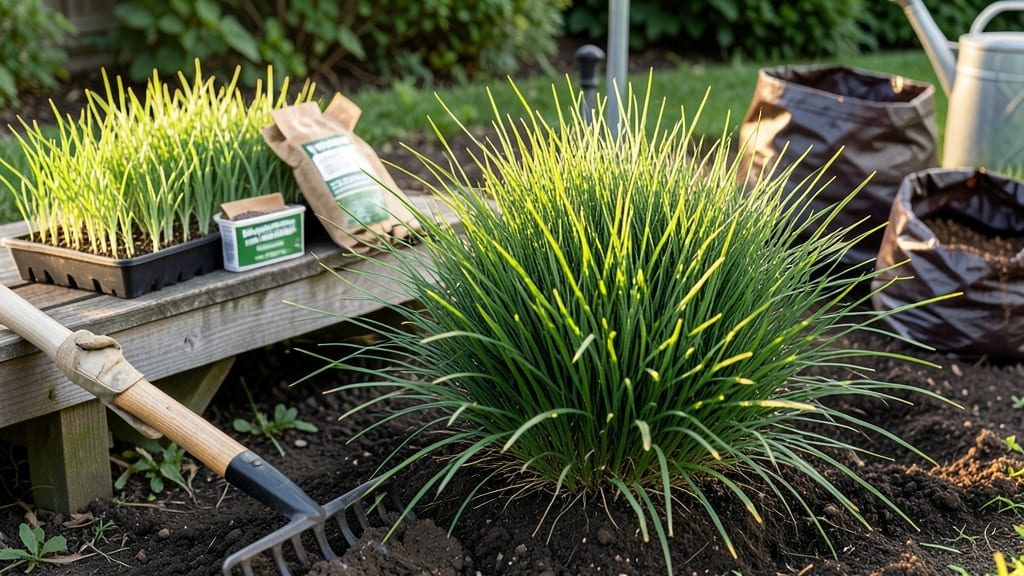
Planting fescue grass in Georgia at the wrong time can turn your green dream into a brown disappointment—especially when summer heat or early frosts throw off your timing.
The key to a lush, resilient lawn lies in understanding Georgia’s 7b-8b climate, where late summer to early fall offers the perfect window for strong root establishment before winter sets in.
Most gardeners make the mistake of rushing in spring, only to watch their seeds struggle under Georgia’s scorching sun. But here’s the secret: fescue thrives when planted 4-6 weeks before the first frost—typically between August and October.
This timing lets the grass establish deep roots before cooler weather slows growth, giving you a head start on next year’s lawn.
I’ve seen firsthand how a well-timed planting transforms a patchy lawn into a vibrant carpet by spring. The difference between success and failure often comes down to soil prep, watering consistency, and avoiding common pitfalls like overwatering or choosing the wrong seed blend for Georgia’s heat and humidity.
Ready to skip the guesswork? Let’s break down the exact steps to plant fescue grass in Georgia—so you can enjoy a thicker, greener lawn without the frustration. Here’s how to do it right, from soil to seed.
Best planting months for fescue grass in Georgia’s climate zones
Georgia’s USDA hardiness zones 7b and 8a create a unique challenge for fescue grass—too early, and the summer heat zaps moisture from seeds; too late, and frost arrives before roots establish.
The ideal window spans from mid-August to early October, aligning with cooler temps and higher humidity that fescue loves. This timing lets seeds germinate without battling Georgia’s brutal July heat or November frosts.
Most gardeners in the Piedmont region (like Athens or Macon) should aim for late August to early September, while those in the Coastal Plain (Savannah or Brunswick) can push slightly later—early September to October—thanks to milder coastal breezes.
Even a few weeks difference can mean the difference between a thick, green lawn and one struggling to survive.
Here’s the golden rule: plant 4-6 weeks before your area’s first frost. In most of Georgia, that’s mid-November, but check your local National Weather Service forecast for precise timing.
Pro tip: If you’re in zone 8a (like Atlanta), you’ve got a slightly longer window—late August through October—but don’t wait past mid-October or risk weak germination.
Why does timing matter so much? Fescue grass needs consistent moisture and moderate temperatures (60–75°F) to germinate. Planting in scorching July heat causes seeds to dry out before sprouting, while planting in late October risks frost damage before roots take hold.
The sweet spot is when daytime highs dip below 85°F and nights stay above 50°F.
If you miss the fall window, don’t panic—early spring planting (February–March) is possible, but it requires extra care. You’ll need to water deeply and frequently to protect seedlings from spring heatwaves. However, fall planting is always the safer bet for Georgia’s climate.
Microclimates play a huge role, too. Lawns in shady wooded areas (common in the Blue Ridge Mountains) can handle slightly later planting, while sun-baked south-facing yards in zone 8a need to plant earlier to avoid heat stress. Always observe your yard’s sun exposure patterns before choosing a date.
| Zone & Region | Best Planting Window | Key Considerations |
|---|---|---|
| Zone 7b (North GA: Dalton, Blue Ridge) | Late August – Early September | Cooler temps; watch for early frosts |
| Zone 8a (Atlanta, Macon, Columbus) | Mid-August – October | Longer window; avoid late Oct heatwaves |
| Coastal Plain (Savannah, Brunswick) | Early September – October | Milder coastal climate; extend to Nov |
| Shady Wooded Areas (Any Zone) | Late August – Mid-October | Later planting OK; less heat stress |
| Sun-Baked South-Facing Yards | Mid-August – Early September | Plant earlier to avoid heat |
For those in zone 7b (like Dalton or the Blue Ridge), time is even more critical—plant too late, and you risk early frosts cutting growth short.
I once saw a lawn in Blairsville planted in mid-October struggle through a 28°F night just weeks later. The result? Brown patches that took months to recover.
If you’re unsure about your exact zone, use the USDA Plant Hardiness Zone Map or check with your local Cooperative Extension Service. They’ll provide hyper-local advice tailored to your elevation and microclimate.
For example, Amicalola Falls (zone 7b) might need to plant 2 weeks earlier than Lake Lanier (zone 8a) due to higher elevations and cooler nights.
Remember, overseeding existing lawns has a slightly different timeline—aim for September to early October when temps are ideal for both new seeds and established grass. This method lets your lawn
How to prepare your Georgia lawn for fescue planting success
Prepping your Georgia lawn for fescue grass isn’t just about throwing down seeds—it’s about creating the perfect foundation for deep roots and thick growth. Start by testing your soil pH, which should ideally sit between 6.0 and 7.0 for fescue.
Georgia’s clay-heavy soils often need amendments like compost or sand to improve drainage and aeration, especially in low-lying areas like the Coastal Plain.
If your lawn already exists, consider core aeration in late summer to relieve compacted soil. This step is critical—skipping it can leave seeds struggling to reach moisture and nutrients. I’ve seen aeration boost seed-to-soil contact by 30% or more, making the difference between patchy growth and a lush carpet.
Before planting, remove any existing weeds or debris—even dead grass can compete with new seeds. A quick rake or dethatching pass (if needed) ensures your fescue gets the uninterrupted sunlight it craves.
For new lawns, till the top 4-6 inches of soil to break up clumps and mix in 2-3 inches of compost.
For overseeding an existing lawn, mow the grass short (1-1.5 inches) right before planting to maximize seed-to-soil contact. This is especially important in North Georgia’s 7b zone, where cooler nights can slow germination.
Spread a starter fertilizer with high phosphorus (P) to encourage root development—think of it as a growth jumpstart for your fescue.
Finally, water the soil deeply 24 hours before planting to create a moist seedbed. Georgia’s summer heat can dry out topsoil quickly, so keep the soil consistently damp (not soggy) until germination, which typically takes 7-21 days depending on temperature.
A light misting in the morning is ideal—it keeps seeds hydrated without washing them away.
Pro tip: If you’re planting in September or October, time your watering to avoid evening sessions. Wet grass at night invites fungal diseases like brown patch, which thrives in Georgia’s humid climate. Morning watering gives foliage time to dry out naturally.