
Plants
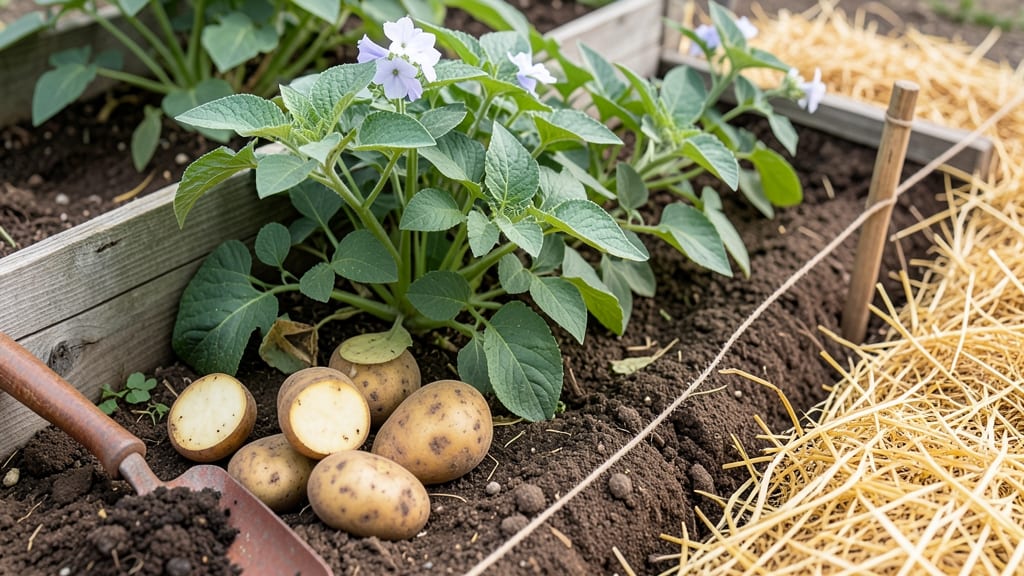
Planting potatoes in Zone 8 at the wrong time means sacrificing your harvest to the heat—or worse, watching your tubers turn to mush before they even form. The key to success isn’t just about timing; it’s about understanding how your climate’s warm winters and long summers affect 🥔 growth.
Unlike cooler zones, Zone 8 gardeners have two prime windows to plant: early spring (February–March) or fall (September–October). But here’s the catch—soil temperature matters more than calendar dates.
Cold soil slows sprouting, while heat can stress young plants. I’ll show you how to test soil readiness and pick the perfect varieties for your Zone 8 schedule.
Whether you’re aiming for a spring harvest or stretching your yield into fall, the right timing extends your growing season. You’ll learn which varieties thrive in Zone 8’s heat, how to avoid common pitfalls, and when to start chitting your seed potatoes for a head start.
Let’s get your 🥔 off to the fastest, healthiest start possible.
From soil prep to harvest signals, this guide cuts through the guesswork so you can enjoy homegrown potatoes all season long—without the frustration. Ready to dig in?
Optimal planting times for potatoes in Zone 8 by soil temperature
In Zone 8, where winters are mild and summers can be scorching, timing your potato planting based on soil temperature is crucial. Potatoes thrive in cool soil between 45°F and 55°F—planting too early risks frost damage, while planting too late exposes them to heat stress and disease.
Let’s break down the perfect windows for both spring and fall planting to maximize your harvest.
For spring planting, aim to plant 4–6 weeks before your last frost date (typically mid-February in Zone 8). This gives tubers time to establish roots before soil warms. Fall planting, however, offers a second chance—plant 8–10 weeks before your first frost (around September) to harvest before winter sets in.
Both strategies leverage Zone 8’s long growing season for extended harvests.
Testing your soil’s readiness is simple. Use a soil thermometer to check depth (4–6 inches). If temps hover around 50°F, it’s ideal. No thermometer? Press your finger into the soil—if it feels cool but workable, it’s time to plant.
Ignoring soil temp can lead to stunted growth or scab disease in hot conditions.
Here’s a quick guide to soil readiness for Zone 8 gardeners:
Pro tip: Use black plastic mulch in spring to warm soil faster or straw mulch in fall to insulate roots. This extends your planting window by 1–2 weeks on either end. Just remove mulch before harvest to avoid contamination.
Zone 8 gardeners often overlook fall planting, but it’s a game-changer for a second harvest. Plant Red Pontiac or Yukon Gold in September for tubers ready by November. The key? Choose early-maturing varieties (60–90 days) to beat winter’s chill.
If you’re unsure about your last frost date, check local Cooperative Extension Service records or use a frost calendar for your city. Microclimates (like urban heat islands) can shift frost dates by 2–3 weeks, so observe your garden’s patterns over time.
Remember: Potatoes hate heat. Planting in July or August can lead to bitter tubers or disease. Instead, focus on cool-season windows—your future harvest will thank you!
For extra insurance, plant a test row 2 weeks before your target date. If sprouts emerge within 7–10 days, your soil is ready for full planting. This simple trick saves time and headaches.
Now that you’ve got the timing down, your next step is choosing the right potato varieties for Zone 8’s climate. Stay tuned for our next section on early, mid-season, and late varieties—and how to stagger plantings for a continuous harvest!
Best potato varieties for Zone 8’s long growing season and how to time them
Zone 8’s extended growing season lets you grow potatoes for spring and fall harvests—but choosing the right variety and timing is key.
Early varieties like Red Pontiac (70 days) thrive in February-March plantings, while late types such as Yukon Gold (110 days) need September-October starts to avoid summer heat stress.
For a continuous harvest, mix early, mid-season, and late varieties. Plant Purple Viking (90 days) in March for spring and September for fall—its cold tolerance extends harvests. Succession planting every 2-3 weeks ensures a steady supply from April through November.
Here’s how to match varieties to your Zone 8 timeline for maximum yield and flavor:
| Variety | Days to Maturity | Best Planting Window | Harvest Window | Zone 8 Notes |
|---|---|---|---|---|
| Red Pontiac | 70 | Feb 15–Mar 15 | Apr 15–May 15 | Early, heat-tolerant; great for spring |
| Yukon Gold | 110 | Sep 1–Oct 15 | Nov 15–Dec 15 | Late; needs cool fall temps |
| Purple Viking | 90 | Mar 1–Mar 15 OR Sep 15–Oct 1 | Jun 1–Jun 15 OR Nov 1–Nov 15 | Cold-hardy; dual-season option |
| Kennebec | 100 | Feb 28–Mar 31 | Jun 15–Jul 15 | Mid-season; stores well |
Pro tip: Use black plastic mulch in summer plantings to keep soil 5°F cooler and retain moisture. This helps late varieties like Yukon Gold mature before first frost.
For fall harvests, prioritize varieties with disease resistance (e.g., Red LaSoda) to combat Zone 8’s humid conditions. Plant 6-8 weeks before frost to ensure tubers fully develop before cold sets in.
🌱