
How To
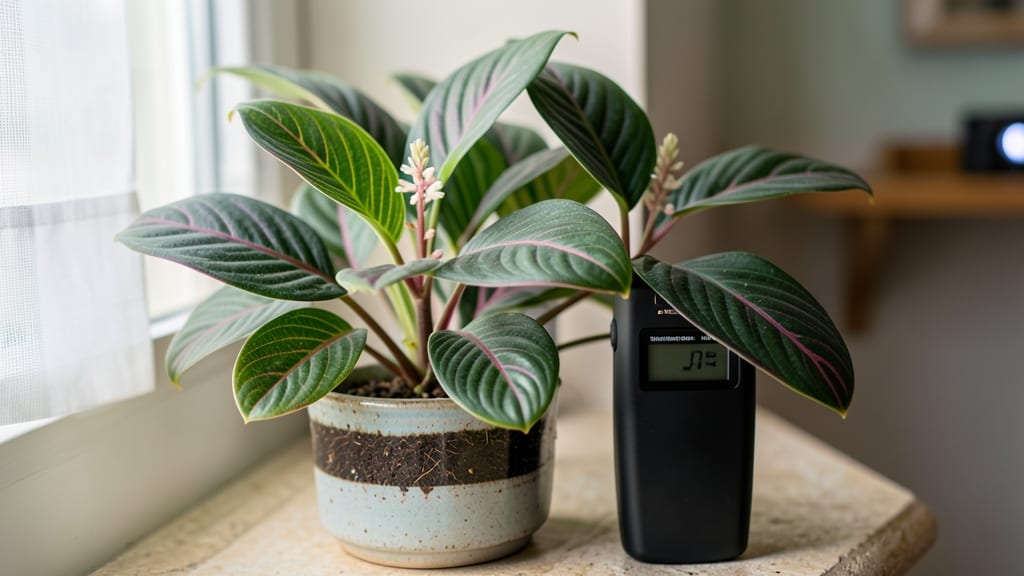
Want to know how much light does a prayer plant need to show off those stunning, patterned leaves? The answer lies in light—but not the kind you might think. Too much sun, and those gorgeous marbled leaves turn crispy; too little, and they lose their vibrancy.
The secret? Finding that sweet spot of bright indirect light that keeps your plant happy and thriving.
I’ve watched prayer plants struggle in harsh light and flourish in just the right conditions, and the difference is night and day.
Whether you’re dealing with a dim office corner or a sunny windowsill, knowing exactly how much light your plant needs can mean the difference between a lush, healthy specimen and a sad, drooping one.
Let’s break down the ideal light setup for your prayer plant, from recognizing the perfect spot in your home to spotting the telltale signs of light stress. You’ll learn how to adjust your plant’s environment—even if you’re working with limited natural light—to keep those leaves looking their absolute best.
No more guessing games. By the end, you’ll have a clear plan to give your prayer plant the ideal lighting it craves, so you can enjoy its beauty year-round without the stress.

Optimal light requirements for prayer plant growth: bright indirect sunlight explained
Your prayer plant (Maranta leuconeura) thrives on bright indirect sunlight, making it perfect for homes with filtered light. Too much direct sun causes leaf scorch, while too little dulls its stunning marbled patterns.
Think of it like Goldilocks—you need to find that "just right" balance for happy, healthy growth.
The ideal light conditions mimic its natural understory habitat in tropical rainforests, where dappled sunlight filters through canopy leaves. This means placing your plant where it receives 4-6 hours of bright, diffused light daily, like near an east-facing window where morning sun is gentler than harsh afternoon rays.
Key light requirements to remember: • Bright indirect light (not direct sun) • 40-60% light intensity (partial shade) • Morning sun tolerance (1-2 hours max) • Winter light boost (supplemental grow lights help)
Here’s how to visualize the perfect spot: Imagine standing near a window where you can comfortably read a book without squinting. That’s your prayer plant’s sweet spot—enough light to fuel growth, but not so intense it causes stress.
In summer months, filter light further with a sheer curtain if you notice leaves curling or developing brown edges. During winter, when natural light dims, rotate your plant quarter-turns weekly to ensure even growth and prevent lopsided development.
| Light Condition | Ideal Duration | Leaf Response | Adjustment Needed |
|---|---|---|---|
| Bright indirect light | 4-6 hours daily | Vibrant marbled patterns, upright growth | None |
| Direct morning sun | 1-2 hours max | Slight leaf curling, possible browning | Move 2-3 feet away |
| Low light (north window) | <2 hours bright light | Dull leaves, leggy growth, lost marbling | Add grow light 6-8 hours/day |
| Harsh afternoon sun | Any duration | Brown crispy patches, wilting | Move to indirect light immediately |
Pro tip: Test your light conditions with the "shadow test". Place a small object near your prayer plant’s spot and observe its shadow at midday.
If the shadow is crisp and dark, the light is too intense. Aim for a soft, blurred shadow—this indicates the perfect diffused light your plant craves.
For office environments, avoid south-facing windows entirely—they deliver intense afternoon sun that can fry your plant’s delicate leaves. Instead, opt for a northeast corner where light is gentler, or supplement with a LED grow light on a timer for 6 hours daily during cloudy days.
Remember, prayer plants are flexible but not forgiving. If you notice leaves drooping or losing their pattern, it’s your plant’s way of saying, "I need a better light spot!" Don’t wait until the damage is done—adjust lighting gradually over 1-2 weeks to avoid shocking your plant’s system.
Your goal is to create a consistent light environment that mimics its tropical home. With the right balance, your prayer plant will reward you with bold, vibrant foliage that’s the envy of every plant lover’s collection. 🌿
Optimal light requirements for prayer plant growth: bright indirect sunlight explained
The prayer plant (Maranta leuconeura) thrives in bright indirect light, making it perfect for homes with filtered sunlight. Direct sun causes leaf burn, while too little light dulls those stunning patterns.
Aim for 4-6 hours of bright, filtered light daily, like an east-facing window or a few feet from a south-facing one.
Think of your prayer plant’s ideal spot as a morning coffee break—gentle warmth without harsh afternoon rays. This mimics its natural understory habitat in tropical forests, where dappled light filters through canopy leaves. Too much direct sun acts like a sunburn on human skin—uncomfortable and damaging.
🌿
| Light Condition | Ideal Setup | Effects on Prayer Plant |
|---|---|---|
| Bright Indirect Light | East/west windows or 3-5 feet from south window | Vibrant leaves, healthy growth, marbling preserved |
| Low Light | North-facing rooms, dim corners | Dull leaves, slow growth, lost patterns |
| Direct Sunlight | South-facing windows without filter | Brown crispy edges, bleached patterns, leaf drop |
Seasonal adjustments matter too. In summer months, move your plant 5-6 feet back from windows to prevent scorching. During winter, supplement with a grow light 12 inches away for 6-8 hours daily if natural light drops below 4 hours.
I’ve seen prayer plants revive dramatically after just a week of corrected light exposure.
Pro tip: Test your spot by holding a white sheet of paper near the window. If the light creates sharp shadows, it’s too direct. The ideal spot should cast soft, diffused light—like sunlight through a sheer curtain. This simple test saves hours of trial and error.
For office environments, place your prayer plant 2-3 feet from fluorescent lights or use a LED grow bulb to mimic natural spectrum. Fluorescent lights alone often provide too little intensity, causing leggy growth. Pair with a reflective surface behind the plant to bounce light onto its leaves.
Remember: leaf patterns are your best indicator. If those marbled designs start fading, it’s time to reassess your plant’s light situation. With the right balance, your prayer plant will reward you with lush, patterned leaves for years to come. ☀️