
Companion Plants
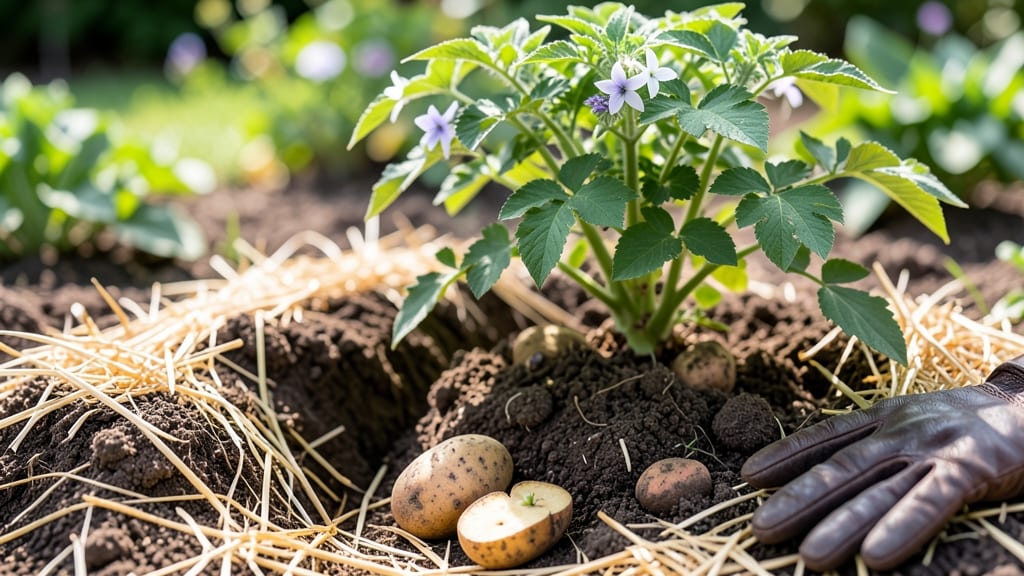
Planting potatoes in Zone 7b at the wrong time can turn your 🥔 dreams into a soggy mess—too early and frost zaps your sprouts, too late and summer heat shrinks your yield. The secret? Timing it just right, when soil reaches 45°F and frost risk fades.
Most gardeners in Zone 7b wait until early April, but that’s just the starting line. I’ll show you how to read your local frost dates, adjust for heat waves, and even plant a second crop for a fall harvest.
Whether you’re a beginner or a seasoned grower, these exact windows will help you avoid the most common mistakes.
We’ll cover everything from chitting your seed potatoes to mulching for moisture, so your 🥔 crop thrives in Zone 7b’s unpredictable climate. No more guessing—just a foolproof plan for a bountiful harvest.
Ready to dig in? Let’s break down the best planting dates, soil prep, and varieties that perform best in your zone. Your future spuds will thank you!
Zone 7b potato planting dates: exact frost-free windows and soil temperature rules
Getting your potato planting right in Zone 7b means knowing your last frost date and soil temperature thresholds—both can make or break your harvest. Unlike cooler zones, Zone 7b’s longer growing season lets you plant twice a year, but timing matters.
The key is planting when soil hits 45°F+ consistently and avoiding late frosts that can kill tender sprouts.
In Zone 7b, your average last frost falls around mid-April, but this shifts slightly depending on your location. For example, Atlanta’s last frost is often March 15, while Richmond’s can linger until April 1.
Always check your local frost probability charts—a late frost in early April can still damage early plantings.
For maximum yield, aim to plant 4-6 weeks before your last frost. This gives tubers time to establish roots before the heat of summer. However, if you’re growing heat-tolerant varieties, you can also plant a second crop in late May for a fall harvest.
Soil temperature is just as critical as air temperature. Potatoes need soil that’s at least 45°F for 10+ days to germinate properly. If you plant too early and soil is still cold, your seed potatoes will rot instead of sprout.
Use a soil thermometer to check—it’s the only way to be sure.
| Planting Window | Soil Temp Requirement | Last Frost Date (Avg) | Best Varieties | Harvest Window |
|---|---|---|---|---|
| Early April (after last frost) | >45°F for 10+ days | Mid-April | Yukon Gold, Red Pontiac | Late June |
| Late May (for heat tolerance) | >55°F consistently | Early June | Sweet Potato, Purple Viking | Late August |
If you’re in a warmer microclimate (like the Coastal Plain), you might see earlier soil warming—sometimes by 2-3 weeks compared to inland areas. For example, Savannah can plant as early as late February, while Asheville might wait until mid-April. Always adjust based on your specific location.
For best results, pair your planting date with chitting (pre-sprouting) your seed potatoes. Start this process 4-6 weeks before planting by placing whole potatoes in a cool, bright spot (around 50-55°F). This gives you a 2-week head start on growth once they’re in the ground.
Don’t forget to mulch heavily after planting to retain soil warmth and moisture. Use straw or black plastic mulch—both help regulate soil temperature and suppress weeds. In Zone 7b’s humid summers, mulch also reduces the risk of blight, a common issue for potatoes.
Finally, keep an eye on your local weather forecasts in the weeks leading up to planting. If a cold snap is predicted, delay planting until soil temperatures stabilize. With the right timing, you’ll be harvesting golden Yukon Golds or vibrant Purple Vikings in no time!
Zone 7b potato planting dates: exact frost-free windows and soil temperature rules
In Zone 7b, potatoes thrive when planted after the last frost date (typically mid-April in most areas) and when soil temperatures consistently reach 45°F or higher. This timing ensures strong germination and avoids frost damage to young sprouts.
For early varieties, aim for early April plantings, while late-season varieties can wait until late May to escape summer heat stress.
Zone 7b’s 190 frost-free days create a unique window for two planting cycles: one in spring and another in fall (6 weeks before the first frost). However, fall plantings are riskier due to shorter daylight and potential early frosts.
Always check your local USDA frost calendar—cities like Atlanta and Richmond may vary by 1-2 weeks from the average.
| Planting Window | Soil Temp Requirement | Last Frost Date (Avg) | Best Varieties | Harvest Window |
|---|---|---|---|---|
| Early April (after last frost) | >45°F for 10+ days | Mid-April | Yukon Gold, Red Pontiac | Late June |
| Late May (for heat tolerance) | >55°F consistently | Early June | Sweet Potato, Purple Viking | Late August |
For container growing in Zone 7b, start seed potatoes indoors 4-6 weeks before your target outdoor planting date. This head start compensates for slower soil warming in pots.
Use well-draining containers (at least 12 inches deep) and place them in a south-facing location to maximize sunlight exposure—potatoes need 6+ hours of direct sun daily for optimal tuber formation.
Regional microclimates in Zone 7b can shift planting windows by 1-3 weeks.
For example, Piedmont areas (like Asheville) often experience cooler springs and may need to delay planting until late April, while Coastal Plain regions (like Savannah) can plant as early as mid-March due to warmer soils.
Always monitor soil temperature with a probe—it’s the most reliable indicator of planting readiness.
Pro tip: Chit your seed potatoes (sprout them indoors in light) 4 weeks before planting. This jumpstarts growth and ensures faster emergence once soil warms.
Store chitted potatoes in a cool, bright spot (around 50°F) and plant with the sprouts facing up to avoid confusing the plant’s growth direction.
If you miss the spring window, don’t despair—Zone 7b’s mild winters allow for a fall planting of cold-hardy varieties like Kennebec or Russet. Plant these 6 weeks before the first frost (typically late September) and harvest before ground freezes.
Use heavy mulch (straw or leaves) to insulate tubers and protect them from early cold snaps.