
Plants
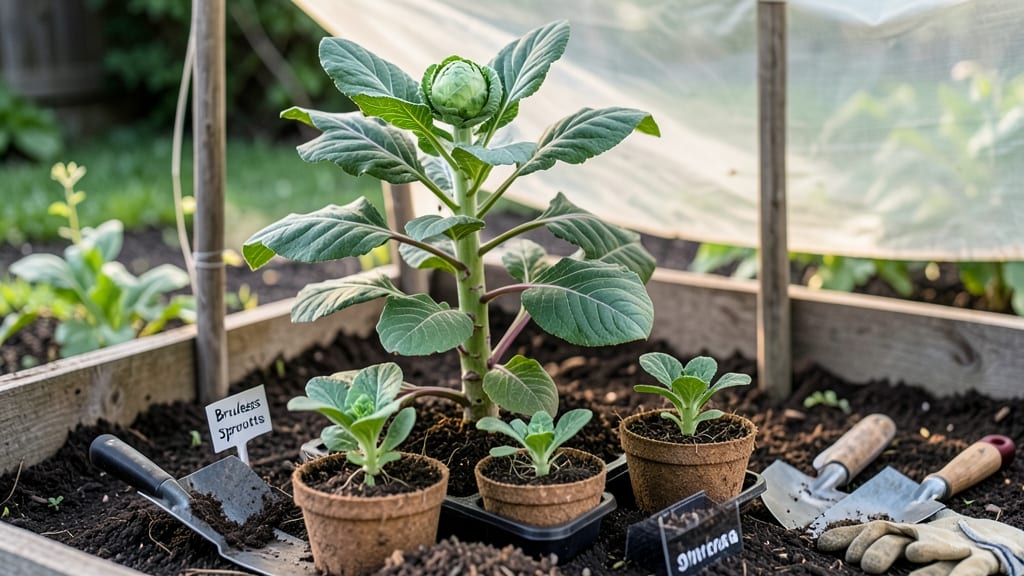
Planting Brussel sprouts 🥦 in Maryland’s Zone 7a-7b climate means nailing the timing—or risk watching your hard work vanish with the first frost. Too early, and tender seedlings get zapped; too late, and your harvest shrinks before winter sets in.
The key? Understanding Maryland’s frost dates and how they shape your planting calendar.
I’ve grown these tough little cabbages for years in Maryland, and the difference between a bumper crop and a bust is often just a matter of weeks.
Whether you’re a first-time gardener or a seasoned pro, getting the timing right ensures your Brussel sprouts mature before the cold hits—giving you a harvest from October through December.
In this guide, I’ll break down the exact windows for spring and fall planting, share soil prep secrets, and reveal how to stretch your growing season with simple tricks. No more guessing—just a foolproof plan tailored to Maryland’s quirks, from humidity to pests.
Ready to grow Brussel sprouts that thrive? Let’s dive into the frost-date cheat sheet that’ll turn your garden into a harvest goldmine.
Maryland’s ideal planting windows for Brussel sprouts (with frost-date guide)
Brussel sprouts thrive in Maryland’s Zone 7a-7b climate, but getting the timing right means the difference between a bountiful harvest and wasted effort. The key is planting 4-6 weeks before your first frost—typically mid-March to early April for spring or late July to early August for fall crops.
Maryland’s last average frost date hovers around April 15, while the first frost usually arrives November 15, giving you a 165-day growing window.
For spring plantings, start seeds indoors 6-8 weeks before transplanting (around February 15) to ensure seedlings are sturdy enough for Maryland’s cool, damp early spring.
Fall plantings, however, are often more reliable because they avoid the heat stress of summer and produce sweeter sprouts when harvested in cool autumn temperatures. Many Maryland gardeners swear by fall crops because they mature just in time for October-December harvests.
Soil temperature is another critical factor—Brussel sprouts prefer 45-85°F soil. In Maryland, soil typically warms to this range by mid-April, but cooler pockets (like shaded areas) may need black plastic mulch to speed up warming.
Always test your soil’s readiness by pressing your finger into it; if it feels cool and damp but not icy, it’s time to plant.
Here’s a quick reference for Maryland gardeners: Direct sowing works best in spring (after last frost) and early fall, while transplants give you more flexibility. If you’re using transplants, wait until soil temperatures stabilize above 50°F—usually late April for spring or early August for fall.
Transplants also help you avoid the seedling diseases that plague direct-sown sprouts in Maryland’s humid summers.
One common mistake is assuming all Brussel sprout varieties grow equally well in Maryland. Long Island Improved and Jade Cross are top picks for their cold tolerance, while Ruby Cross matures faster—ideal if your season feels short.
Always check the days to maturity on seed packets and adjust your planting timeline accordingly.
If you’re new to growing Brussel sprouts in Maryland, start with transplants from a local nursery—they’re already hardened off and ready to handle Maryland’s humidity and temperature swings. For direct sowing, use biodegradable pots to avoid disturbing roots when transplanting seedlings.
And always space plants 18-24 inches apart; crowding leads to poor air circulation, inviting fungal diseases like downy mildew, which thrives in Maryland’s damp climate.
Pro tip: Mark your calendar for September 1—this is the sweet spot for fall plantings in Maryland. By then, summer’s intense heat has passed, but you still have 80-90 days of growing time before frost.
For a second fall harvest, try succession planting every 2 weeks in August—this stretches your harvest into late November.
Remember, Maryland’s microclimates vary wildly. If you live in western Maryland (higher elevation), you might get an extra 2 weeks of growing time compared to coastal areas.
Always scout your local Cooperative Extension office for hyper-local frost data—their records can adjust your planting timeline by 1-2 weeks.
Finally, don’t overlook container gardening if space is limited. 5-gallon pots work well for dwarf varieties like Coronet, and you can move containers to sheltered spots during late-season frosts. Just ensure pots have drainage holes—Brussel sprouts hate soggy roots, and Maryland’s heavy rains
Maryland’s ideal planting windows for Brussel sprouts (with frost-date guide)
Maryland’s Zone 7a-7b climate gives you two prime chances to grow Brussel sprouts—but timing is critical. The last average frost date in Maryland is around April 15, while the first frost typically arrives by November 15.
This narrow window means you’ll either plant in early spring or late summer to avoid frost damage.
For spring planting, aim for mid-March to early April to give your sprouts 90-120 days to mature before winter. Fall planting, however, is trickier—you’ll need to start seeds late July to early August for a harvest in October-December.
Get this wrong, and you’ll end up with bolting plants or frost-killed sprouts.
Here’s the key: Soil temperature matters just as much as air temperature. Brussel sprouts thrive when soil is at least 45°F, but they’ll rot if it’s too cold. Use a soil thermometer to check before planting—especially in Maryland’s unpredictable Zone 7a-7b.
| Season | Planting Window | Days to Maturity | Harvest Window | Soil Temp Requirement |
|---|---|---|---|---|
| Spring | Mid-March to early April | 90-120 days | June-July (if planted early) | ≥45°F |
| Fall | Late July to early August | 90-120 days | October-December | ≥45°F |
📅 Maryland Frost Dates: Last Frost (April 15) | First Frost (Nov 15)
If you’re direct sowing seeds, start them 4-6 weeks before your last frost (around March 1 for spring). For transplants, buy seedlings in late April to avoid early-season cold snaps. Maryland’s humidity can also slow germination, so keep soil consistently moist until sprouts appear.
Pro tip: Succession planting works well in Maryland. Sow a second batch of seeds every 2 weeks in spring to stretch your harvest. Just be sure to stop planting by mid-July—any later, and your sprouts won’t mature before frost.
For fall crops, focus on heat-tolerant varieties like ‘Long Island Improved’ or ‘Ruby Ball.’ These handle Maryland’s summer heat better than standard types. Plant them deeply (1/4 inch below soil) to prevent bolting from heat stress.