Plants
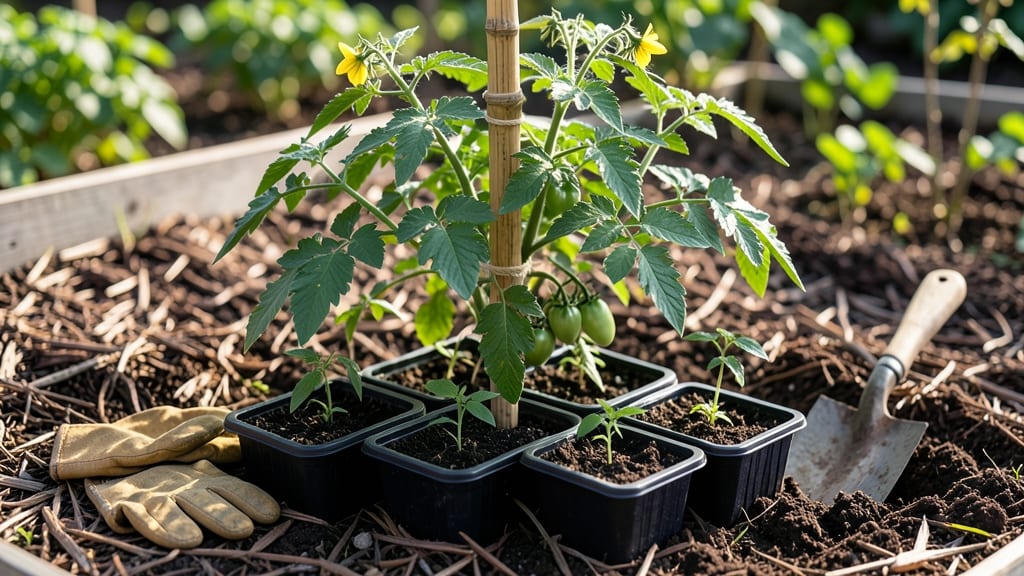
Planting tomatoes in Florida isn't just about grabbing seeds and sticking them in the ground—timing makes all the difference between a bountiful harvest and a sad, wilted disappointment.
With the right schedule, you can enjoy juicy 🍅 tomatoes from spring all the way through fall, but get it wrong, and you’ll face stunted growth, pests, or even frost damage in unexpected places.
Florida’s unique climate means your neighbors in North Florida might be planting weeks earlier than those in South Florida, where the heat arrives like a summer hurricane.
I’ve tested these strategies across multiple zones, and the key is understanding your specific frost dates, soil temperatures, and even the best varieties for your region. Let’s break down exactly when to plant for your corner of the Sunshine State.
You’ll discover how to stretch your tomato season by using succession planting and protective covers, plus the one mistake almost every Florida gardener makes when it comes to transplanting.
Whether you’re a first-time gardener or a seasoned pro, these tips will help you avoid common pitfalls and keep your plants thriving—even when Florida’s weather tries to throw a curveball.
Ready to grow tomatoes that actually last? I’ll walk you through the exact dates, soil prep secrets, and even how to handle hurricanes or unexpected cold snaps.
By the end, you’ll know not just when to plant, but how to protect your crop for a harvest that’ll make your neighbors jealous.
Florida’s tomato planting zones: exact dates by region for maximum yield
Florida’s diverse climate means tomato planting times vary dramatically from North Florida’s cooler zones to South Florida’s year-round warmth. While South Florida gardeners can plant tomatoes almost year-round, North Florida’s shorter frost-free window demands precise timing.
Let’s break down the ideal planting windows for Florida’s 11 USDA hardiness zones, including soil temperature thresholds and transplanting tips.
Most Florida gardeners focus on two main planting seasons: spring (cool season) and late summer (warm season).
Spring planting yields the longest harvest window, while summer planting extends your season into fall. Heirloom varieties often prefer cooler spring conditions, while heat-tolerant hybrids like ‘Heatmaster’ or ‘Solar Fire’ thrive in summer’s intense heat.
Here’s the key rule: Wait until soil temperatures reach at least 60°F (15°C) for spring planting and 70°F (21°C) for summer. Use a soil thermometer to check—cool soil slows germination and stunts growth.
In North Florida (Zones 8a-8b), this typically means waiting until mid-March to April for spring transplants.
South Florida (Zones 9b-11) enjoys a 12-month growing season, but even here, timing matters. Plant cool-season varieties like ‘Celebrity’ or ‘Better Boy’ in September-October for winter harvests, then switch to heat-tolerant types in March-April to avoid summer’s peak pests and diseases.
🌱Pro Tip: For continuous harvests, use succession planting—stagger transplants every 2-3 weeks during your zone’s ideal window. This ensures you’re always harvesting while others are still maturing.
| Zone | Spring Planting Window | Summer Planting Window | Soil Temp Threshold | Key Varieties |
|---|---|---|---|---|
| 8a (North FL: Jacksonville, Gainesville) | Mid-March to April 15 | July 15 - August 15 | 60°F (15°C) | ‘Celebrity’, ‘Mountain Merit’, ‘Heatmaster’ |
| 8b (Central FL: Orlando, Tampa) | February 15 - March 30 | June 15 - July 30 | 65°F (18°C) | ‘Better Boy’, ‘Solar Fire’, ‘Early Girl’ |
| 9a (South FL: Fort Myers, Ocala) | January - February | May - June | 70°F (21°C) | ‘Heatmaster’, ‘Solar Fire’, ‘Sunmaster’ |
| 9b-11 (South FL: Miami, Key West) | Year-round (peak Jan-Mar) | Year-round (peak May-July) | 75°F (24°C) | ‘Heatmaster’, ‘Solar Set’, ‘Florida 47’ |
🌱 Note: Adjust dates 1-2 weeks earlier for raised beds (warmer soil) or later for container gardens.
For North Florida gardeners, timing is critical to avoid late-spring frosts. Check the National Weather Service’s frost predictions and wait until after the last expected frost date—typically April 15 in Jacksonville and March 30 in Orlando.
In South Florida, hurricanes can disrupt planting, so avoid June-November for outdoor sowing.
When selecting varieties, prioritize disease resistance—Florida’s humidity fuels early blight and fusarium wilt. Look for VFN (virus-, fusarium-, nematode-resistant) labels on seed packets. Cherry tomatoes like ‘Sweet Million’ or ‘Sun Gold’ are great for container growing and tolerate Florida’s heat better than large slicing types.
Transplant seedlings when they’re 4-6 weeks old and have 4-6 true leaves. Harden them off for 7-10 days before planting by gradually exposing them to outdoor conditions. In North Florida, use black plastic mulch to warm soil faster—this can shave 2-3 weeks off your planting timeline.
💡Remember: Florida’s sandy soils drain quickly, so amend with compost before planting. Aim for 1-2 inches of compost mixed into the top 6 inches of soil to retain moisture and nutrients. For container growers, use a high-quality potting mix with added perlite for drainage.
Finally, monitor your plants for hornworms and whiteflies, common Florida pests. Neem oil or beneficial nematodes can help manage infestations without harsh chemicals. With the right timing and care, you’ll enjoy tomatoes from spring to fall—no grocery store needed
How to extend Florida’s tomato season: succession planting and cold protection tips
Florida’s long growing season lets you enjoy tomatoes almost year-round—but only if you plan strategically. The key to continuous harvests lies in succession planting and seasonal protection. By staggering plantings and using simple cold-hardening techniques, you can avoid harvest gaps and even grow tomatoes in cooler months.
Start your first planting in early spring (after the last frost date) and your last in late summer for a fall crop. For North Florida, aim for March-April and August-September, while South Florida gardeners can plant as early as February and as late as October.
This staggered approach ensures fresh tomatoes from May through December!
🌱Pro Tip: Use heat-tolerant varieties like 'Solar Fire' or 'Heatmaster' for summer plantings—they thrive when temps climb above 90°F. For fall, opt for early-maturing types like 'Celebrity' or 'Better Boy' to beat the first frost.
For North Florida gardeners, don’t despair if frost sneaks in—container tomatoes can be moved indoors near a south-facing window (with grow lights) for a winter greenhouse effect. Just ensure pots have drainage holes and reduce watering to avoid root rot in cooler temps.
💡Remember: Florida’s humidity and heat can stress tomato plants, so prune aggressively to improve airflow and monitor for pests like hornworms and whiteflies. A neem oil spray every 2 weeks keeps them at bay without harming pollinators.