Plants
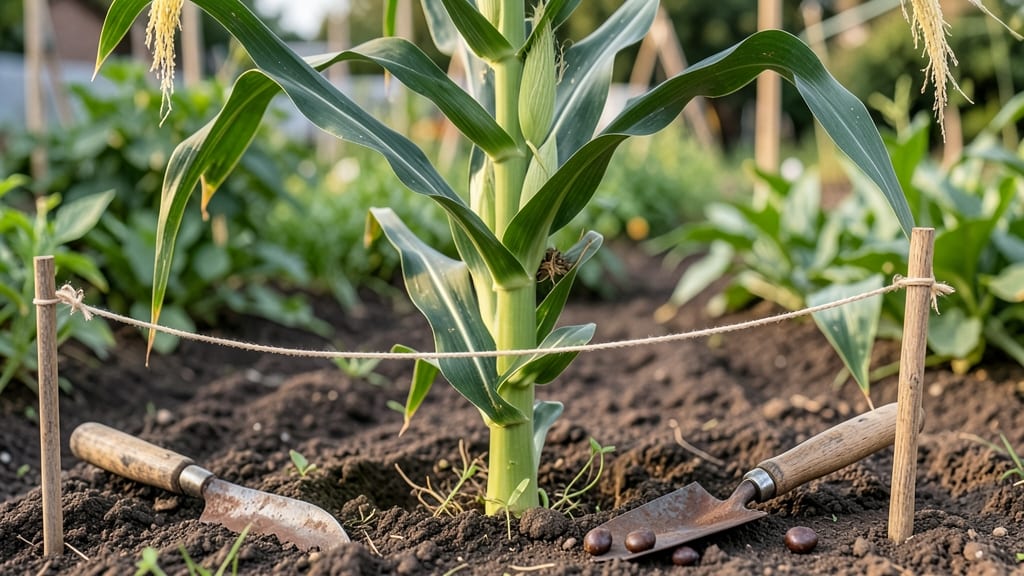
Planting corn in Illinois at the right time isn't just about checking a calendar—it's about understanding your soil's secret language. When you plant 🌽 too early, chilly temperatures stall germination, while waiting too long risks shorter growing seasons and smaller yields.
The key? Soil warmth triggers those first critical sprouts, and Illinois' 5b-6b zones demand precision timing that varies by region.
Most gardeners in Illinois wait until mid-April to late May, but that's just the starting point. What truly matters is whether your soil has reached that sweet spot of 50-60°F—the magic threshold where seeds wake up and start growing.
Northern Illinois gardeners should hold off until after the last frost (usually mid-April), while southern areas might see earlier opportunities in late March, depending on weather patterns.
Here's the game-changer: planting corn too soon in cold soil won't just delay germination—it can invite pests and diseases that thrive in damp, uncooperative conditions.
But get the timing right, and you'll see those first green shoots emerge in just 5-7 days, setting your plants up for a fast and productive growing season.
I'll walk you through exactly how to test your soil temperature, adjust for your specific Illinois microclimate, and avoid the most common planting mistakes. Let's turn your corn patch from a gamble into a guaranteed harvest.
Optimal soil temperature ranges for planting corn in Illinois
Corn seeds need consistent warmth to germinate properly, and Illinois' climate demands precise timing. The ideal soil temperature range for planting corn is between 50°F and 60°F, with 55°F being the sweet spot for fast germination.
If the soil is too cold (below 50°F), seeds may rot or fail to sprout, while temperatures above 65°F can cause uneven growth and poor root development.
Soil temperature varies significantly across Illinois due to its northern and southern microclimates. Northern regions like Chicago often experience cooler soils in spring, while southern areas near St. Louis may warm up faster.
Always check soil temperature 1 inch below the surface—this is where your seeds will be planted. A simple soil thermometer (available for under $10) is your best tool for accuracy.
Planting too early in cold, wet soil is a common mistake that leads to seed rot or slow germination. If you plant corn when soil temperatures are below 50°F, expect germination rates to drop below 50%, wasting seeds and resources.
Conversely, planting too late can shorten the growing season, reducing yield and quality. Aim for mid-April to late May in most of Illinois, but adjust based on your specific location and weather patterns.
Here’s how soil temperature impacts corn growth at each stage:
- Below 50°F: Seeds fail to germinate or rot
- 50°F–55°F: Slow germination (7–14 days)
- 55°F–60°F: Optimal germination (5–7 days)
- Above 65°F: Fast germination but weak root development
| Soil Temperature | Germination Time | Risk Level | Illinois Region |
|---|---|---|---|
| Below 50°F | No germination | High (seed rot) | All regions |
| 50°F–55°F | 7–14 days | Medium (slow start) | Northern IL |
| 55°F–60°F | 5–7 days | Low (optimal) | Central/Southern IL |
| Above 65°F | 3–5 days | High (weak roots) | Southern IL (late planting) |
To test your soil temperature, insert a soil thermometer into the ground where you plan to plant. Check it in the morning (7–9 AM) for the most accurate reading, as afternoon temperatures can spike due to sunlight. If your soil is below 50°F, wait a few days and retest—rushing can lead to poor germination rates and wasted seeds.
In northern Illinois, where springs are cooler, you may need to wait until late April or early May to achieve the ideal 55°F–60°F range.
Meanwhile, southern Illinois gardeners can often start planting as early as mid-to-late March, especially in microclimates like Jacksonville or Carbondale, where soil warms faster. Always monitor local weather forecasts for frost warnings—a late frost after planting can devastate young corn seedlings.
Another critical factor is soil moisture. Corn seeds need consistent moisture to germinate, but waterlogged soil can suffocate seeds and cause rot. Aim for moist but well-draining soil—think of it like a damp sponge, not a swamp.
If your soil is too dry, water it 24 hours before planting to ensure even moisture distribution. If it’s too wet, hold off until conditions improve.
Pro tip: Use a mulch layer (like straw or grass clippings) after planting to retain soil moisture and regulate temperature. This is especially helpful in dry spells or hot afternoons, where soil can dry out quickly. Mulch also suppresses weeds, reducing competition for nutrients and water.
If you’re unsure about your soil temperature, consider using black plastic mulch to warm the soil faster. Lay it down 1–2 weeks before planting to raise soil temperatures by 5°F
Best planting months by Illinois microclimates (northern vs southern regions)
Illinois' diverse climate means planting times vary dramatically between its northern and southern regions. In northern Illinois (USDA zones 5a-5b), where frost lingers longer, aim for mid-April to early May after the last frost date.
Southern Illinois (zones 6a-6b) enjoys warmer springs, allowing late March to mid-April plantings. These differences can mean a 3-4 week window shift in your planting schedule!
Your local average last frost date is your best guide—northern areas like Chicago typically see frost until mid-April, while southern regions like Carbondale may be frost-free by early March. Always verify with your local cooperative extension office for precise dates, as microclimates can create variations even within counties.
For early-season varieties, you might push northern plantings to late April to avoid frost damage, while southern gardeners can experiment with February sowings under row covers. The key is soil temperature, not just calendar dates—corn needs 50°F+ soil for reliable germination.
| Region | USDA Zone | Best Planting Window | Last Frost Date | Soil Temp Goal |
|---|---|---|---|---|
| Northern Illinois | 5a-5b | Mid-April to early May | Mid-April | 50°F+ |
| Central Illinois | 5b-6a | Late March to late April | Early April | 50°F+ |
| Southern Illinois | 6a-6b | Late March to mid-April | Early March | 50°F+ |
Adjust your planting timeline if you experience an early spring—some years, northern Illinois gardeners can plant as early as late March. Conversely, late frosts may push southern plantings into mid-April. Always have row covers ready to protect young seedlings from unexpected cold snaps, especially in transitional zones.
For successive planting, aim for 2-3 week intervals to extend your harvest season. Southern Illinois gardeners can even squeeze in a late summer planting (early July) for fall harvests, though yields may be smaller. The key is maintaining that 50°F soil temperature threshold for optimal germination.
Remember, Illinois' 165 frost-free days provide ample time for corn growth, but timing is everything. Plant too early, and you risk frost damage; too late, and your harvest may arrive too close to fall frosts.
Use these regional guidelines as your starting point, then fine-tune based on your specific microclimate and weather patterns.