
Plants
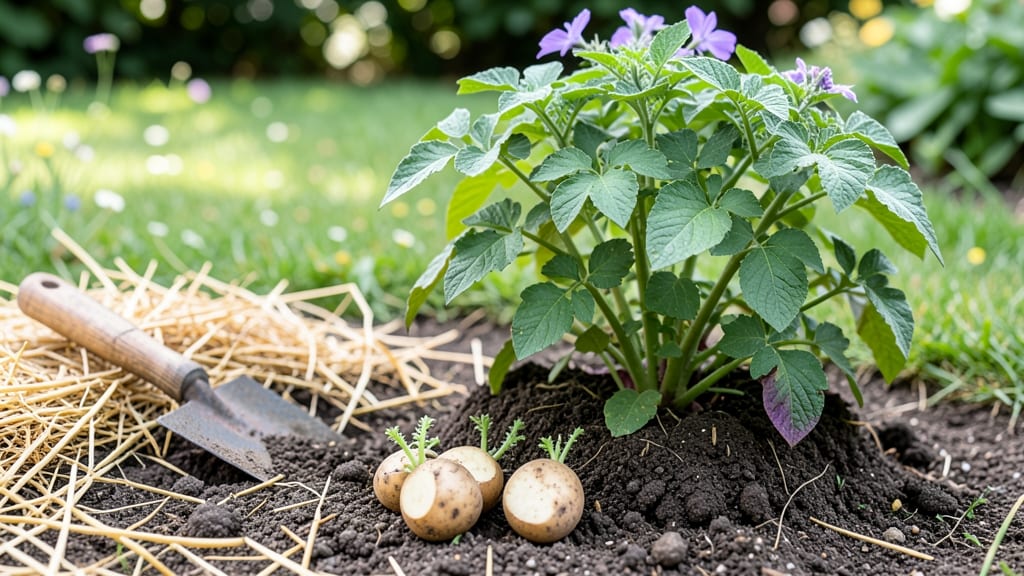
Planting potatoes in Pennsylvania at the wrong time can leave you with shrivel-up tubers or a harvest lost to frost—especially when last spring frosts can linger until mid-May. The key to success lies in mastering soil temperature and local frost dates, not just calendar months.
For Pennsylvania’s Zone 6A, the ideal window opens when soil warms to 45°F—typically late March to mid-April—but timing varies by region. Early varieties can go in as soon as soil is workable, while late frosts might push back your start date.
Don’t rush; cold soil stunts growth and attracts pests.
Fall planting is another game-changer, with mid-August to early September offering a second chance for harvests before winter sets in. But this strategy requires careful planning: tubers need 90-120 days to mature, so calculate backward from your first frost date (usually October 15 in northern PA).
In this guide, I’ll break down the exact soil temps to watch, frost-date adjustments, and variety-specific timing—so you can plant with confidence and avoid the most common mistakes Pennsylvania gardeners make. Let’s get those 🥔 in the ground at the perfect moment.
Pennsylvania potato planting dates by soil temperature (zone 6A guide)
Planting potatoes in Pennsylvania’s Zone 6A hinges on soil temperature, not just calendar dates. Seed potatoes need 45°F soil temps to sprout consistently, and waiting too long risks early blight or stunted growth.
Most gardeners aim for late March to mid-April, but your exact timing depends on microclimates—warmer southern PA (like Lancaster) can plant 2 weeks earlier than north-central PA (like State College).
Cold soil (below 40°F) delays sprouting and invites rot. Use a soil thermometer ($10 at garden centers) to check temps at 4-inch depth—this is where your seed potatoes will sit.
If temps fluctuate, opt for cold-hardy varieties like Yukon Gold or Kennebec, which tolerate brief chills better than Russet potatoes.
Here’s the 30-day planting window breakdown for Pennsylvania’s Zone 6A, tailored to your variety’s maturity:
Pro tip: If your soil stays below 45°F past mid-April, chit your seed potatoes (place them in bright light for 2–4 weeks to sprout). This jumpstarts growth and compensates for cold soil. Store them in a cool, dark place (like a basement) until planting day.
Mulch with straw or leaves after sprouts emerge to insulate roots from late frosts. Remove mulch once vines reach 6 inches tall to encourage tuber formation. Avoid plastic mulch—it traps too much heat and can burn roots in Pennsylvania’s unpredictable spring weather.
For container growing, use 5-gallon buckets with drainage holes and plant 2 weeks earlier than in-ground. Containers warm up faster in spring, giving you a 2-week head start on the season. Just ensure pots stay consistently moist—dry soil = small potatoes.
Watch for voles, which love young potato sprouts. Bury hardware cloth around planting areas or use castor oil spray as a deterrent. In northern PA, add a row cover until soil warms to 50°F to protect tender shoots.
Timing isn’t just about the calendar—it’s about soil readiness. Use these guidelines, but always adjust for your microclimate. A shady corner might need a 1-week delay, while a south-facing slope could plant 10 days early. Your soil thermometer is your best friend here!
🌱
How to adjust potato planting for Pennsylvania’s frost dates (with Backup Plans)
Pennsylvania’s Zone 6A frost dates can shift dramatically from year to year, making flexibility your best friend. The average last frost hovers around April 15, but northern regions like Erie often see frosts lingering until May 1.
Southern areas like Lancaster, however, may break free by April 1. Always check the USDA Plant Hardiness Zone Map and local weather forecasts for your exact county.
For spring planting, aim to have your seed potatoes in the ground 2-4 weeks before the last frost date. This gives young plants time to establish roots before temperatures stabilize.
If frost warnings pop up after planting, don’t panic—just cover tender sprouts with lightweight row covers or old blankets until the threat passes. A 5°F dip won’t kill established plants, but new sprouts are vulnerable.
Fall planting is trickier but rewarding. Start mid-August to early September for a harvest before winter. Count backward from your first frost date (usually October 15 in northern PA) and choose varieties with 90-120 days to maturity.
For example, ‘Yukon Gold’ (90 days) works better than ‘Russet’ (120 days) in shorter seasons.
🌱
If a late frost hits after planting, focus on protecting the emerging sprouts, not the tubers. A 1-inch layer of straw mulch insulates soil and retains warmth. For container-grown potatoes, move pots to a sheltered spot like a garage or under a porch roof overnight.
Remember: tubers are hardy—they’ll survive light frosts, but green tops won’t.
For extra insurance, plant a test row of fast-growing radishes nearby. They’ll signal when soil is warm enough (60°F+) and give you a heads-up on frost risks.
Pair this with a soil thermometer ($10 at garden centers) to track temps daily. Pro tip: Morning soil temps are the most reliable gauge for planting decisions.
Don’t let Pennsylvania’s unpredictable weather derail your potato dreams. With these adjustments, you’ll turn frost from a threat into a timing tool—planting at the exact moment when your garden is ready. The key is preparation, not perfection. 🌿