
Plants
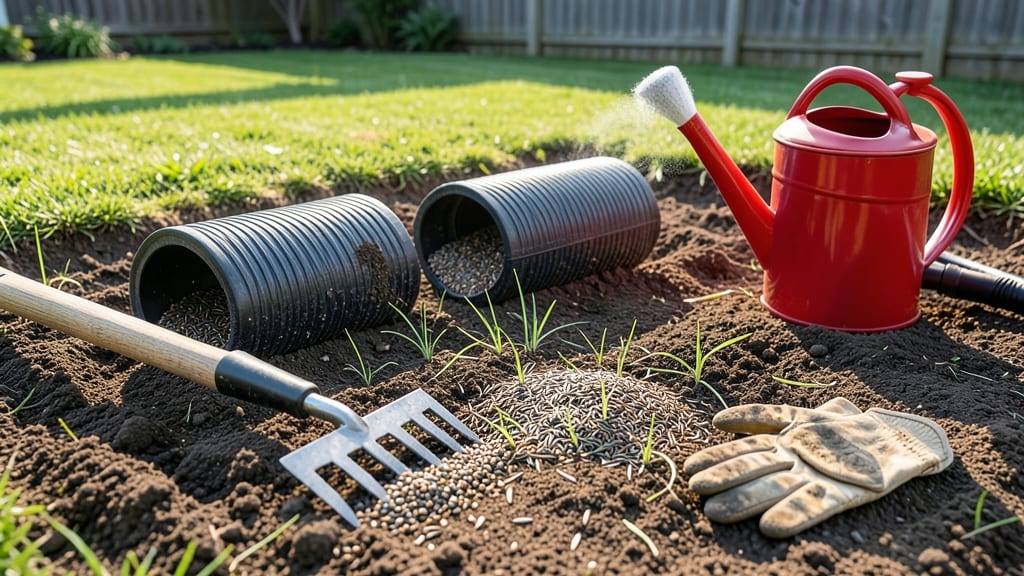
When is a good time to plant grass seed in the spring? Planting it at the right moment can make all the difference between a vibrant lawn and a frustrating, patchy mess—soil temperature and frost-free days are the key factors to get right.
If you're in USDA Zone 6a, like many gardeners in the Midwest and Northeast, aiming for early to mid-spring (around 4-6 weeks before your last frost) gives your 🌱 grass seed the best chance to establish strong roots before summer heat arrives.
But timing isn’t just about dates—it’s about soil warmth. Cool-season grasses thrive when soil reaches 50-65°F, while warm-season varieties need it even warmer. I’ll show you how to test your soil and avoid common mistakes that ruin germination.
Whether you're a first-time planter or a seasoned gardener, this guide will help you nail the perfect window for planting—so you can enjoy that lush green lawn all season long.
The ideal soil temperature range for planting grass seed in spring
Getting the soil temperature right is the first step to a thriving lawn.
For cool-season grasses like Kentucky bluegrass or fescue, aim for 50-65°F—this range kickstarts germination without stressing young seedlings. Warm-season grasses, such as Bermuda or Zoysia, prefer 65-75°F and should wait until late spring when the ground truly warms up.
Planting too early when soil is still cold can leave seeds dormant or invite rot.
I’ve learned the hard way that rushing into spring planting—even if the calendar says it’s March—can backfire. A frost warning or chilly nights can stall germination or kill tender sprouts.
Always check your local soil temperature before seeding, not just the air temperature. A simple soil thermometer (just $10 at garden centers) is your best friend here.
Regional adjustments matter too. In northern climates like Minnesota or Maine, wait until late April or early May when the ground consistently stays above 50°F during the day.
Meanwhile, Southern states like Texas or Florida can plant as early as February for warm-season grasses, but cool-season types should wait until March or April when nights warm up.
Here’s a pro tip: If you’re unsure about soil temps, use the back of your hand as a rough guide. If it feels cool but not freezing, it’s likely in the 50-65°F range. But for accuracy, always measure—your lawn’s success depends on it.
| Grass Type | Ideal Soil Temp | Best Planting Time | Regional Note |
|---|---|---|---|
| Cool-Season (e.g., Fescue, Ryegrass) | 50-65°F | Early to mid-spring (4-6 weeks before last frost) | Northern US: Wait for consistent 50°F+ days |
| Warm-Season (e.g., Bermuda, Zoysia) | 65-75°F | Late spring (after last frost) | Southern US: Plant when soil stays above 65°F for 3+ days |
| Transition Zone (e.g., Tall Fescue) | 55-70°F | Early spring or late summer | Check local microclimates—valleys may stay cooler |
Testing your soil temperature is easier than you think. Stick a soil thermometer into the ground about 2 inches deep (where seeds will germinate) and wait 5 minutes for an accurate reading.
If it’s below 50°F for cool-season grasses or 65°F for warm-season types, hold off. Patience here saves you from replanting later.
Don’t forget to consider nighttime temperatures too. If frosts are still possible after planting, cover new seeds with a lightweight frost blanket until they’re established. This extra layer can protect seedlings and give them the time they need to root before summer heat arrives.
One more thing: soil moisture matters just as much as temperature. Dry soil can prevent seeds from absorbing water, while soggy soil may cause rot. Aim for moist but not waterlogged conditions—think of a damp sponge, not a dripping one.
A simple squeeze test (grab a handful of soil) tells you if it’s ready.
If you’re still unsure about timing, err on the side of planting slightly later rather than too early. A well-timed planting in late April or early May (for most regions) gives grass seeds the 6-8 weeks they need to establish before summer’s heat or winter’s frost sets in.
Remember, the goal is consistent growth, not speed. A lawn planted at the right time will outperform one rushed into the ground too soon. With the right soil temperature and a little patience, you’ll be rewarded with a thick, green carpet by summer.
How to calculate your local frost-free window for spring grass planting
Figuring out your local frost-free window is the best way to time your grass seed planting perfectly. The last frost date in your area determines when it’s safe to plant—typically 4-6 weeks before that date for cool-season grasses like Kentucky bluegrass or fescue.
Start by checking the USDA Plant Hardiness Zone Map for your area. In Zone 6a, like much of the Midwest, the average last frost is around April 15. Count backward 6 weeks to land on your ideal planting window—usually early to mid-March.
But don’t rely solely on averages! Microclimates—like hillsides or low-lying areas—can shift frost dates by 1-2 weeks. Observe your yard’s patterns over the past few years or ask neighbors with established lawns when they planted.
For extra precision, use a frost-free calculator like the one from the National Weather Service. Plug in your ZIP code, and it’ll give you a 30-day buffer around the average last frost date—this accounts for unpredictable weather swings.
- Step 1: Find your USDA Zone (e.g., Zone 6a) and note the average last frost date (e.g., April 15).
- Step 2: Subtract 4-6 weeks from the last frost date for cool-season grasses (e.g., March 1-15).
- Step 3: Adjust for microclimates—hills warm up faster, valleys stay colder longer.
- Step 4: Use a frost-free calculator for a 30-day buffer around your target date.
- Step 5: Plant 2-3 weeks before your finalized window to account for slow germination.
Pro tip: If you’re in a warmer climate (Zones 7-10), warm-season grasses like Bermuda or Zoysia need soil temps above 65°F, so aim for late spring (May-June) instead. Always double-check with your local Cooperative Extension Service for hyper-local advice.
Once you’ve nailed your frost-free window, mark your calendar and prepare your soil—loosen the top 4 inches, level the surface, and add a light layer of compost. This ensures your grass seed makes strong root contact as soon as it germinates.
``` 🌱