
Plants
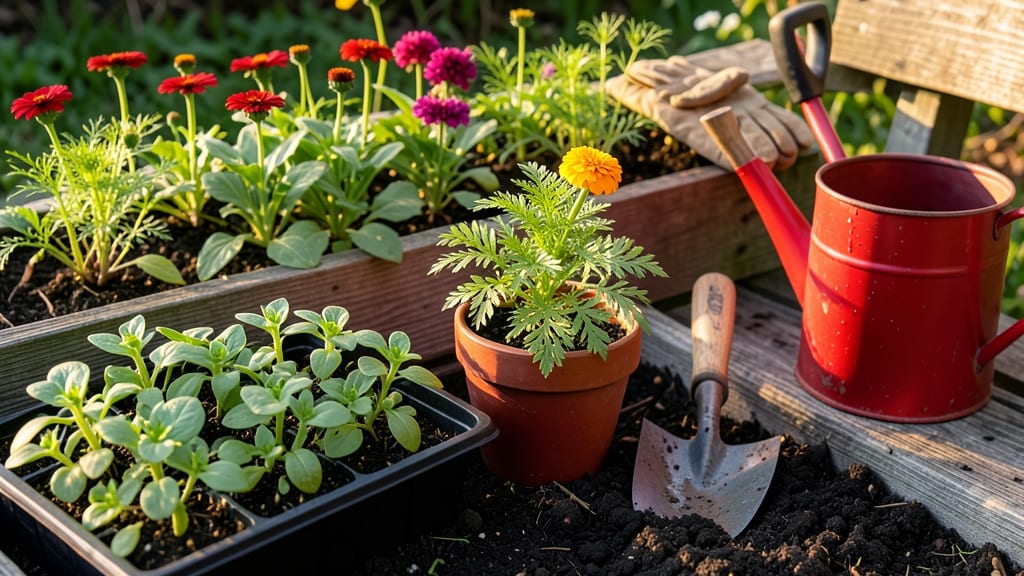
Timing when to plant annuals in zone 7 just right can mean the difference between a garden bursting with vibrant 🌸 blooms and one that struggles to take root. The key isn’t just knowing when—it’s understanding how your local microclimate and frost dates play into the equation.
Most gardeners in Zone 7 wait until 2-4 weeks before the last frost to plant warm-season annuals like marigolds or basil, but cool-season varieties like lettuce or pansies can handle an earlier start. Miss the window, and you risk frost damage—or worse, wasted seeds.
In this guide, I’ll break down the exact planting schedule for your Zone 7 garden, whether you’re sowing directly into the soil or starting indoors. You’ll learn how to adjust for early or late frosts, plus tips to extend your growing season for continuous color and harvests.
Ready to transform your garden into a year-round showstopper? Let’s get those annuals in the ground at the perfect moment—no guesswork required.
Exact weeks before last frost to plant annuals in Zone 7 by seed type
In Zone 7, your last frost date typically falls between mid-March and early April, but this can vary by microclimate. For vibrant annuals, timing is everything—plant too early, and frost will kill tender seedlings; too late, and you’ll miss peak blooms.
Here’s the exact planting window breakdown for cool-season and warm-season annuals.
Start by calculating your last frost date (check local weather records or use the USDA Zone 7 average of March 15). Then, use these weeks-before-frost guidelines to plan your direct sowing or transplanting schedule.
For example, cool-season crops like lettuce and pansies can handle light frost, while warm-season favorites like tomatoes and marigolds need warmth to thrive.
| Annual Type | Seed Type | Weeks Before Last Frost | Examples | Notes |
|---|---|---|---|---|
| Cool-Season Annuals | Direct Sow | 6-8 weeks | Lettuce, Spinach, Kale | Tolerates light frost; sow early for fall harvests. |
| Cool-Season Annuals | Transplant | 4-6 weeks | Pansies, Snapdragons, Sweet Alyssum | Hardy to 20°F; ideal for early spring/fall. |
| Warm-Season Annuals | Direct Sow | 2-4 weeks after last frost | Beans, Corn, Cucumbers | Soil must be 60°F+ for germination. |
| Warm-Season Annuals | Transplant | 2-3 weeks after last frost | Tomatoes, Peppers, Petunias | Use row covers for early starts. |
| Tender Annuals | Direct Sow/Transplant | After last frost | Marigolds, Impatiens, Basil | Cannot tolerate frost; wait for soil warmth. |
For cool-season annuals, start 6-8 weeks before last frost if direct sowing (e.g., spinach or radishes) or 4-6 weeks if transplanting (e.g., pansies). These hardy plants can even survive light frosts, making them perfect for early spring or fall gardens.
For example, if your last frost is April 1, aim to sow spinach seeds by February 15.
Warm-season annuals, like tomatoes and peppers, need to wait until 2-4 weeks after last frost to avoid cold damage. These plants thrive in
Exact weeks before last frost to plant annuals in Zone 7 by seed type
Zone 7’s average last frost date falls between March 15–April 1, but your exact timing depends on whether you’re planting cool-season hardies or warm-season tender annuals.
Cool-season varieties like lettuce and pansies can handle light frosts, while tomatoes and marigolds need warmer soil to thrive. Here’s how to time it perfectly.
For cool-season annuals, start sowing 4–6 weeks before your last frost. This means February 15–March 1 for most Zone 7 gardeners. These plants tolerate 30–40°F soil temps and even light frosts, making them ideal for early starts.
Examples include kale, spinach, and snapdragons, which can handle 28–32°F temperatures.
If you’re starting warm-season annuals indoors, begin 6–8 weeks before your last frost (around January 15–February 1 for Zone 7). This gives seedlings time to mature before transplanting 2–4 weeks after last frost.
Use grow lights if natural light is limited, as seedlings need 12–16 hours of light daily to prevent legginess.
For direct sowing outdoors, wait until soil temperatures reach 60°F+ for warm-season crops. Test soil temp with a soil thermometer—if it’s below 55°F, seeds may rot or fail to germinate. Tomatoes and peppers are particularly sensitive; plant them only after the last frost date has passed.
Pro tip: Use row covers or cold frames to extend your planting window for cool-season crops. This lets you sow 2–3 weeks earlier without risking frost damage. Just remove covers when plants are established to avoid overheating.
Remember, succession planting is key for continuous blooms. After your initial planting, sow fast-growing annuals like radishes or bush beans every 2–3 weeks to keep your garden productive all season. 🌱