
Plants
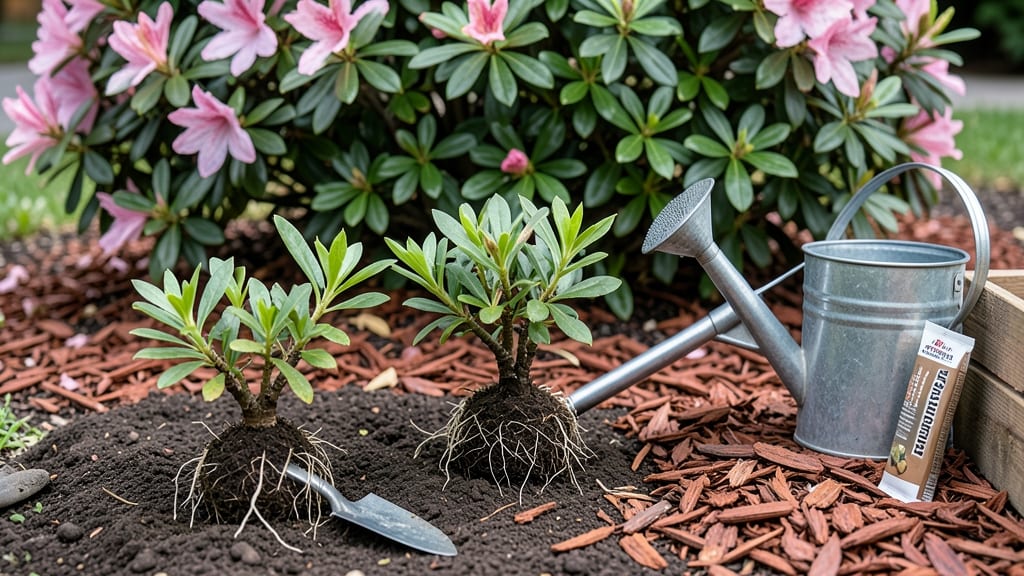
Planting azaleas in Oklahoma at the wrong time could mean waiting years for those stunning 🌸 blooms—or never seeing them at all. The key isn’t just the calendar; it’s matching your azalea’s chill-hour needs to Oklahoma’s Zone 7a climate, where a single misstep can stunt growth or invite pests.
I’ve learned the hard way that late spring plantings often struggle with Oklahoma’s brutal summer heat, while early fall can leave roots vulnerable to first frost. The sweet spot? Late winter to early spring, when soil warms but danger of hard freezes has passed—typically between February and March.
But here’s the game-changer: not all azaleas thrive equally in Oklahoma. Low-chill varieties (like ‘Southern Indica’) handle our milder winters better than high-chill types, which may never bloom if planted without the right 300-600 chill hours. Let’s break down exactly when—and how—to plant for maximum blooms.
Whether you’re digging in bare-root plants or container-grown shrubs, I’ll walk you through soil prep, microclimate tricks, and the 3 critical mistakes that derail even experienced gardeners. Ready to transform your yard into a springtime paradise?
Best planting months for azaleas in Oklahoma’s Zone 7a (chill-hour breakdown)
Timing your azalea planting in Oklahoma’s Zone 7a isn’t just about avoiding frost—it’s about matching your plant’s chill-hour needs. Azaleas require 300-900 hours below 45°F to bloom properly, and Oklahoma’s mild winters mean you must plant when soil temps dip but don’t stay frozen.
The ideal window is late winter to early spring, but let’s break down why.
Oklahoma’s last frost date typically falls around March 15, but soil may still be cold. Planting too early risks root damage, while waiting too long means your azalea won’t establish before summer heat. The sweet spot is when daytime temps hit 50-60°F consistently—usually February through early April.
Here’s the science: Azaleas need 6-8 weeks of cool soil to root before summer stress hits. In Zone 7a, that means planting bare-root azaleas in February (they’re dormant and resilient) or container-grown azaleas in March when roots are active but soil isn’t baking yet.
Microclimates matter! Northern Oklahoma (like Tulsa) gets colder sooner than southern areas (like Oklahoma City). Adjust your timing: 2-3 weeks earlier in the north to avoid late frosts. Always check your local cooperative extension service for precise frost data.
🌸
Pro tip: Container-grown azaleas give you flexibility. They’re less stressed than bare-root plants, so you can push planting to early April if needed. Just water deeply before transplanting to reduce shock. For bare-root varieties, soak roots for 2-3 hours before planting to revive them.
Watch for bud swell—a sign your azalea is waking up. If you plant after buds form, you’ll sacrifice blooms that season. In Oklahoma, this usually happens by mid-March, so act before then.
Mulch heavily (3 inches of pine bark) to insulate roots and retain moisture during our hot, dry summers.
Ever notice how azaleas in Tulsa bloom earlier than those in Lawton? That’s the chill-hour difference at work. Southern Oklahoma’s warmer winters mean some varieties (like ‘Southern Indica’) thrive, while northern areas need higher-chill types like ‘Hino Crimson’. We’ll dive deeper into variety matching next!
🌿
One more critical tip: Test your soil pH before planting. Oklahoma’s native soil is often alkaline (pH 7.5+), but azaleas crave acidic soil (pH 4.5-6.0). Amend with sulfur or peat moss to create the perfect acidic bed. Your azalea’s health—and those stunning spring blooms—depend on it!
☀️
How to match azalea varieties to Oklahoma’s chill-hour zones (southern vs. northern regions)
Oklahoma’s Zone 7a climate creates a perfect balance for azaleas, but not all varieties thrive equally. The key lies in chill-hour requirements—the number of hours below 45°F your azaleas need to set buds for spring blooms.
In northern Oklahoma (like Tulsa), you’ll need low-chill varieties (300-600 hours), while southern regions (like Oklahoma City) can handle slightly higher chill needs (up to 900 hours).
Choosing the wrong variety can mean no blooms or weak growth. For example, Southern Indica azaleas (like Hino Crimson) flourish in Zone 7a with just 400-500 chill hours, while Korean azaleas (like Bumper Crop) need 900+ hours and may struggle in Tulsa’s milder winters.
Matching your variety to your microclimate ensures vibrant spring color every year.
| Region | Chill Hours | Best Varieties | Bloom Time |
|---|---|---|---|
| Northern OK (Tulsa, Muskogee) | 300-600 hrs | Southern Indica (Hino Crimson, Oscar), Evergreen (Formosa, George L. Taber) | Early to mid-spring |
| Southern OK (OKC, Lawton) | 600-900 hrs | Korean (Bumper Crop, Albion), Deciduous (Girard’s Pink, Pink Pearl) | Mid to late spring |
| West OK (Altus, Woodward) | 500-700 hrs | Semi-Evergreen (Angela, Snowdrift), Hybrid (Bow Bells, Kalmia) | Late spring |
*Chill hours vary by microclimate—check your local frost dates for precision.
If you’re unsure about your chill hours, use this quick test: Track your winter lows for 30 days in January. Count the hours below 45°F—if you hit 500 hours, you’re in the low-chill zone and should stick to Southern Indica types.
For 900+ hours, Korean azaleas will reward you with larger blooms and longer seasons.
Pro tip: Container-grown azaleas adapt better to chill-hour mismatches than bare-root plants, giving you more flexibility if you’re transitioning varieties. Just ensure your containers have drainage holes to prevent root rot in Oklahoma’s hot summers. 🌸
For evergreen azaleas (like Formosa), focus on acidic soil (pH 4.5-6.0) and morning sun to avoid leaf scorch. Deciduous types (like Girard’s Pink) tolerate slightly more sun but still need afternoon shade in Oklahoma’s 100°F+ summers. 🪴