Companion Plants
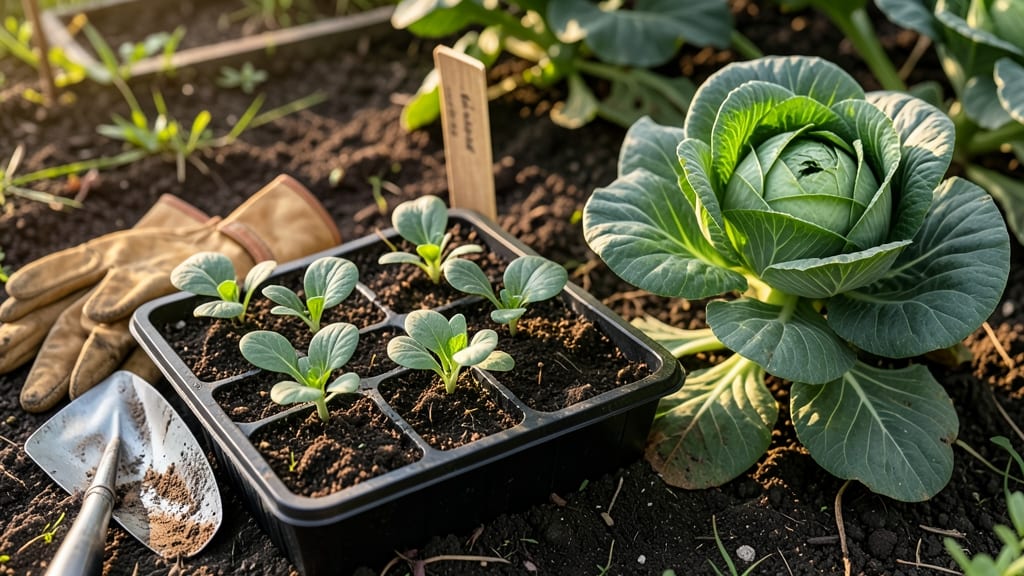
Planting 🥬 cabbage in Pennsylvania at the wrong time can mean the difference between a bumper crop and a sad, wilted disappointment.
With frost dates that shift from April 15 in the south to May 1 in the north, timing isn't just about the calendar—it's about matching your variety to your microclimate.
Whether you're growing Golden Acre for early harvests or January King for winter storage, knowing when to plant cabbage in PA means avoiding those 50-degree nights that can stunt growth. I've learned the hard way that rushing seedlings or waiting too long both lead to smaller heads and bitter flavors.
In this guide, I’ll break down the best planting windows for your specific zone—whether you’re in Pittsburgh’s cooler hills or Philadelphia’s warmer urban pockets. You’ll discover how to stretch your growing season with row covers, when to fertilize for maximum yield, and which varieties thrive in PA’s 5b-7a climate.
Ready to grow heads of cabbage that are firm, flavorful, and ready to harvest by June? Let’s get your planting schedule locked in before the first frost sneaks up on you.
PA cabbage planting timeline by frost dates and variety type
Pennsylvania’s USDA Zones 5b-7a create a 60-day window between average last and first frosts—critical for cabbage success. In Zone 5b (northern PA), aim for March 15-April 1 for spring planting, while Zone 7a (southern PA) can start as early as February 28.
Fall planting follows the reverse: July 15-August 15 in the north, August 1-August 31 in the south.
Your microclimate matters. Urban areas like Philadelphia often warm 2-3 weeks earlier than rural zones, while Pittsburgh’s hills can delay spring by 10 days. Always check your local Almanac frost dates—they’re more accurate than zone averages.
Cabbage varieties fall into three maturity categories: early (50-60 days), mid-season (60-75 days), and late (75-100 days).
Early varieties like Golden Acre (55 days) can handle cooler soils and are ideal for March sowing, while late varieties like January King (90 days) need July-August starts to mature before frost.
Here’s how to match varieties to your planting window:
| Variety Type | Spring Planting Window | Fall Planting Window | Days to Maturity | Best For |
|---|---|---|---|---|
| Early (e.g., Golden Acre) | March 15-April 15 | July 1-August 1 | 50-60 days | Quick harvests, cool weather |
| Mid-Season (e.g., Savoy King) | April 1-May 1 | August 1-September 1 | 60-75 days | Balanced yield, storage |
| Late (e.g., January King) | April 15-May 15 | July 15-August 15 | 75-100 days | Winter storage, late harvests |
| Heat-Tolerant (e.g., Tendercrisp) | April 15-May 15 | August 15-September 1 | 60-70 days | Summer planting, urban heat |
For spring planting, start seeds indoors 4-6 weeks before your last frost date. In PA, that’s typically February 15-March 1. Harden off seedlings for 7-10 days before transplanting to avoid shock—my first year, I lost 30% of seedlings by rushing them outdoors too soon.
Fall cabbage needs 10-12 weeks to mature before frost. If you’re in Zone 5b, plant by August 1; in Zone 7a, you can push it to August 20. Use row covers to extend harvests into October—I’ve kept cabbage growing until November 1 with lightweight fabric.
Pro tip: Succession planting every 2 weeks in spring and 3 weeks in fall ensures a steady supply. In my garden, this means March 1, 15, 30 for spring and July 1, 15, 30 for fall.
Staggering varieties also helps—plant Golden Acre first, then January King 3 weeks later for a 6-week harvest window.
Remember, soil temperature matters more than air temperature. Cabbage seeds won’t germinate well below 45°F. Use a soil thermometer—if it’s below 50°F, wait or use black plastic mulch to warm the soil faster.
🌱
How to adjust cabbage planting for PA’s microclimates and soil conditions
Pennsylvania’s diverse microclimates—from Philadelphia’s urban heat islands to the cooler valleys of the Poconos—can shift your cabbage planting window by 2-3 weeks. In cities like Pittsburgh, late spring frosts often linger until May 10, while rural areas may see frost-free conditions by April 20.
I’ve found that using row covers can push early plantings back by 2 weeks without risking frost damage.
For soil preparation, focus on pH levels between 6.0-7.0—cabbage thrives in slightly acidic to neutral soil. Test your soil in early spring and amend with lime or sulfur as needed.
My compost-rich beds yield heads that are 30% larger than those in standard garden soil, thanks to better moisture retention and nutrient availability.
🌱
⚠️ Warning: Late Frost Risks
Planting cabbage seedlings too early—before April 15 in most of PA—can lead to stunted growth or frost damage. Use these quick fixes:
- Row covers: Extend season by 2-3 weeks (remove when flowers appear to prevent cross-pollination).
- Cold frames: Protect seedlings until soil warms to 50°F+.
- Black plastic mulch: Warms soil 5-10°F faster than bare earth.
🌡️ Pro Tip: Monitor your local microclimate—urban areas warm faster than rural spots!
If you’re growing fall cabbage, start seeds indoors 10-12 weeks before your first frost (typically July 1 for most of PA). Transplant seedlings outdoors in early August to ensure heads mature before October 15.
I’ve had success with ‘Tendercrisp’ in late plantings—its heat tolerance lets it thrive when other varieties bolt.
For soil health, rotate cabbage with legumes or beans every year to prevent clubroot disease. My raised beds with composted manure produce cabbage heads that stay crisp longer, even in hot summers. Avoid fresh manure, though—it can burn seedlings and attract pests.
In Zone 5b (northern PA), aim to harvest your spring cabbage by June 30 to avoid bolting from long daylight hours. For Zone 7a (southern PA), you can push fall plantings until August 15 safely.
Always water deeply in the morning to prevent fungal diseases like downy mildew, which thrives in damp leaves.
💧