
Plants
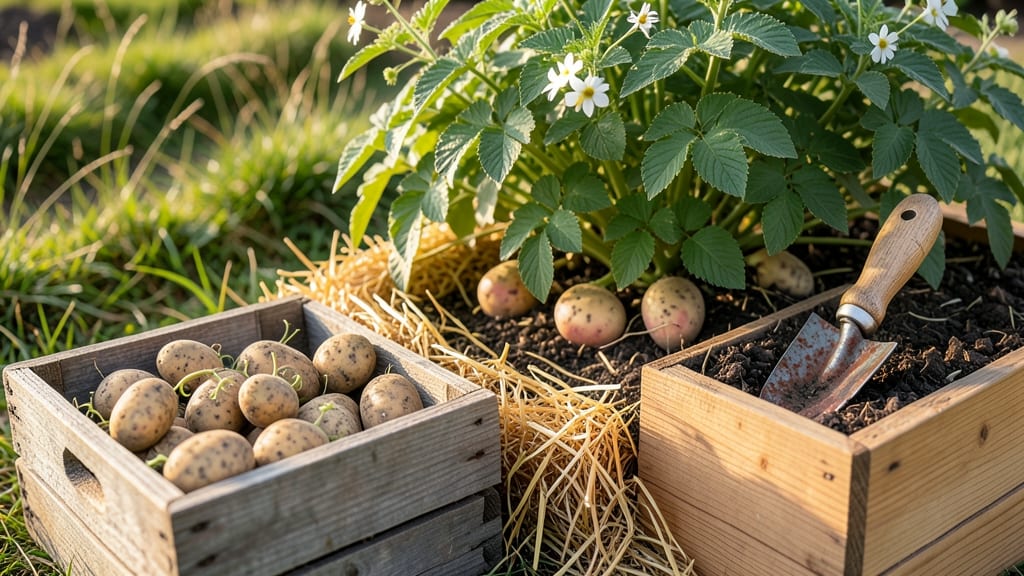
Planting fall potatoes in Texas isn’t just about timing—it’s about outsmarting the heat and avoiding the frost. If you get the schedule wrong, your 🥔 harvest could either scorch in the summer sun or never mature before winter sets in.
The key? Starting between September and October, when soil temps drop but the growing season still has enough warmth to produce tubers before the first frost.
Texas gardeners in zones 8a and 8b face a unique challenge: balancing late-summer heat with early-winter cold. Too early, and your potatoes will rot in the ground; too late, and they won’t have time to bulk up.
I’ve tested the perfect window to ensure your crop thrives—no guesswork, just proven results for zero-frost harvests.
You’ll learn the exact dates to plant based on your region, plus how to adjust for Texas’ unpredictable weather. Whether you’re growing Yukon Golds or Purple Vikings, these strategies will help you beat the clock and enjoy homegrown spuds straight from your garden.
Ready to ditch the store-bought potatoes? Let’s break down the critical deadlines and pro tips so you can plant with confidence—and harvest before the first frost hits.
Texas heat Zone 8a & 8b fall potato planting deadlines by variety
Texas’ Heat Zones 8a and 8b offer a narrow window for fall potatoes—just 4-6 weeks before the first frost. In North Texas, that’s mid-September to early October, while Central and South Texas can push planting until late October.
Miss this window, and your tubers won’t mature before freezing temperatures ruin them.
Your success hinges on soil temperature (ideal: 50-60°F) and variety selection. Early-season types like Red LaSoda mature in 60-70 days, while late-season Yukon Golds need 90-100 days.
Planting too early? Your potatoes sprout in the heat and rot. Too late? They’ll stay small and starchy before winter.
Here’s the exact planting timeline for Texas gardeners, broken down by variety and region:
| Variety | Days to Maturity | Planting Window (8a) | Planting Window (8b) | Harvest Window | Soil Temp Threshold |
|---|---|---|---|---|---|
| Red LaSoda | 60-70 days | Late Aug - Early Sept | Early Sept - Mid-Sept | Nov - Early Dec | 50-60°F |
| Yukon Gold | 90-100 days | Mid-Sept - Early Oct | Late Sept - Mid-Oct | Dec - Early Jan | 50-60°F |
| Purple Viking | 80-90 days | Early Sept - Late Sept | Mid-Sept - Early Oct | Nov - Dec | 50-60°F |
| Kennebec | 75-85 days | Late Aug - Early Sept | Early Sept - Mid-Sept | Oct - Nov | 50-60°F |
🌱 Note: Adjust dates 1-2 weeks later for South Texas (8b) due to delayed frost.
For urban gardeners with limited space, container-grown potatoes (like Red Pontiac) can extend your window by 2-3 weeks. Use 5-gallon pots with well-draining soil and plant slips instead of seed potatoes to shave 10-14 days off maturity time.
Pro tip: Chit your seed potatoes (sprout them indoors in egg cartons) 2-3 weeks before planting to jumpstart growth. This ensures your tubers form faster in Texas’ short fall season. Place them near a sunny window or under grow lights for 1-2 weeks before transplanting.
Watch for soil temperature drops below 50°F—this slows tuber formation. If your fall forecast predicts an early cold snap, opt for earlier-maturing varieties like Red Norland (70 days) or Kennebec to avoid small harvests. Use a soil thermometer to monitor conditions; aim for consistent 55-60°F for best results.
In North Texas (8a), your last chance for a frost-free harvest is early December. Prioritize fast-maturing varieties and plant slips (young plants) instead of seed potatoes to shave critical days off the growing season.
For Central Texas (8b), you’ve got until mid-December, but don’t delay—tubers won’t sweeten if planted too late.
Mulch with straw or leaves after planting to insulate soil and maintain stable temperatures. This prevents temperature swings that can cause potato scab or hollow heart. In urban areas, black plastic mulch can raise soil temps by 5-10°F, giving you 1-2 extra weeks of growing time.
Remember: Harvest before the first frost, even if tubers aren’t fully sized. Small potatoes
How to adjust planting dates for Texas’ unpredictable fall weather
Texas’ fall weather can throw off even the most experienced gardener. Heat waves in October or early frosts in November mean your potato planting dates might need last-minute adjustments. The key is flexibility—monitoring soil temperatures and weather forecasts to extend your growing season without risking spoilage or frost damage.
Start by checking your local first frost date. In Zone 8a, expect frost around November 15–December 1, while Zone 8b may hold off until December 15–January 1. Plant your fall potatoes 4–6 weeks before these dates to ensure tubers mature before winter sets in.
Here’s how to adapt when Texas weather plays tricks on you:
Urban gardeners in heat islands (like Dallas or Houston) may need to plant 1–2 weeks earlier than rural areas, thanks to higher microclimate temps. Always test your soil temperature—aim for 50–60°F at planting depth (3–4 inches) for best sprouting.
Pro tip: Set up a weather alert for your county. Apps like Texas A&M AgriLife or NOAA send frost warnings with 24–48 hours’ notice, giving you time to mulch or cover your crop. With these adjustments, you’ll beat Texas’ unpredictable fall—and still pull harvest-ready potatoes before winter 🌱.