
Plants
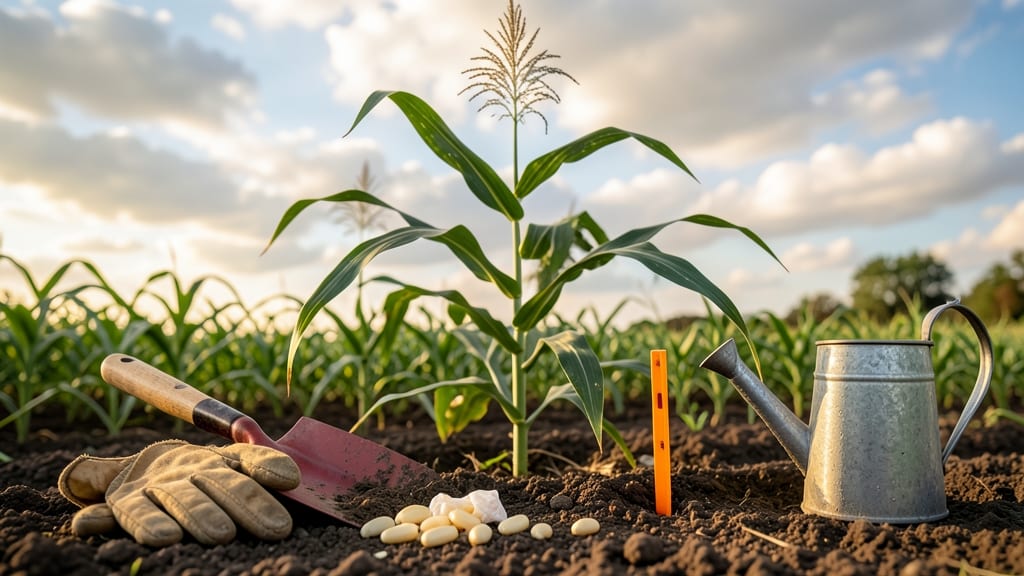
Timing your field corn 🌽 planting just right in North Carolina could mean the difference between a thriving harvest and wasted effort—because getting those seeds in the ground too early or too late throws off everything from germination to yield.
With USDA zones 7a-8b and frost dates that shift dramatically from the Coastal Plain to the Mountains, there’s no one-size-fits-all answer. But here’s the good news: by following the right planting windows—typically mid-April to early June—you can align with soil temperatures and local microclimates for maximum success.
I’ll walk you through exactly how to time your planting, from checking soil warmth to adjusting for early/late varieties, so you can avoid common pitfalls and grow corn that’s ready for harvest by late summer.
Whether you’re in the Piedmont’s rolling hills or the Coastal Plain’s warmer lowlands, these insights will help you plant with confidence—no guesswork required.
NC frost-date calculator: best planting windows by county for field corn
North Carolina’s climate varies dramatically from the Coastal Plain to the Mountains, making frost dates a critical factor for field corn success. Planting too early risks frost damage, while late planting can lead to stunted growth or poor yields.
I’ve broken down the best planting windows by region to help you align your schedule with NC’s USDA Zones 7a-8b.
For Coastal Plain counties like Craven or New Hanover, the last frost typically occurs around March 15, giving you a wider window to plant. In contrast, Mountain regions like Ashe or Haywood may see frost until May 1, requiring earlier sowing or faster-maturing varieties.
The Piedmont’s frost-free period (180-220 days) is ideal for most varieties, but timing matters.
🌽 NC Field Corn Planting Windows by Region
| Region | Last Frost Date | Ideal Planting Window | Soil Temp Threshold | Notes |
|---|---|---|---|---|
| Coastal Plain (e.g., Wilmington) | March 15 | Mid-April to early May | 60°F+ for 2 weeks | Humidity can delay germination; opt for drought-resistant varieties. |
| Piedmont (e.g., Raleigh) | April 1 | Late April to early June | 55°F+ for 1 week | Best for standard 90-day varieties; avoid late June plantings. |
| Mountains (e.g., Asheville) | May 1 | Late April to mid-May | 50°F+ for 2 weeks | Use early-maturing (85-day) varieties; shorter growing season. |
To refine your planting date, check your local NC State Extension office for county-specific frost data. For example, Wake County averages a last frost of April 1, while Carteret County on the coast may see frost as late as March 20.
Always plant 2-3 weeks after your area’s last frost date to ensure soil warmth.
If you’re in a microclimate (e.g., a valley or urban heat island), adjust your timeline by 1-2 weeks. Urban areas like Charlotte often warm up faster, while higher elevations may need earlier sowing. For container-grown corn, extend your window by starting seeds indoors 2-3 weeks before transplanting.
Pro tip: Use a soil thermometer to confirm 60°F+ soil temps before planting. Cold soil slows germination and can lead to seed rot. If temps drop unexpectedly, cover seedlings with frost cloth for protection.
For urban gardeners with limited space, consider bush varieties like ‘Golden Bantam’ (70-day maturity) to fit shorter seasons. These work well in raised beds or containers, though yields will be smaller than field-grown corn.
Remember: Field corn needs 180-220 frost-free days to mature. If your region has a shorter window (e.g., Mountains), prioritize fast-maturing varieties or adjust your harvest expectations. For example, a 100-day variety planted in late April in Asheville may still yield well.
🌱
How soil temperature and weather affect field corn planting success in NC
Field corn thrives when planted in warmer soil, but North Carolina’s unpredictable spring can derail even the best-laid plans. The key to success? Soil temperature consistency and heat unit accumulation.
Corn seeds won’t germinate well below 50°F, and optimal growth requires 60°F+ soil for 2+ weeks before planting. In NC’s Coastal Plain, this often means waiting until mid-April, while mountain regions may need to push planting to late May.
I’ve learned the hard way that rushing planting because of early warm spells can backfire. A cold snap after germination stalls growth, leading to uneven stands or seed rot. Always check a soil thermometer—it’s your best friend for timing.
The NC State Extension recommends planting when soil temps stay above 60°F for 10 days, which aligns with my experience in Zone 7b.
Weather patterns also play a critical role. Prolonged drought during pollination (when tassels appear) can cause poor kernel set, while excessive rain increases fungal diseases like corn smut.
I adjust my planting dates based on 7-day forecasts: if heavy rains are predicted during tasseling, I opt for drought-resistant varieties like Pioneer Brand 33B11.
⚠️ Critical Warning: Avoid These Planting Pitfalls
- Planting too early: Seeds rot in cold, wet soil (below 50°F).
- Ignoring heat units: Corn needs 2,500+ growing degree days to mature.
- Skipping soil tests: pH 6.0-7.0 is ideal; adjust with lime if needed.
- Overwatering: Waterlogged soil suffocates roots and invites disease.
🌱 Pro Tip: Use a planting calendar like NC State’s Frost-Free Date Map to align your schedule with local climate trends.
For urban gardeners in NC, microclimates add another layer of complexity. A south-facing rooftop garden in Raleigh might warm up faster than a shaded backyard in Asheville. I’ve found that container-grown corn in cities can be planted 2 weeks earlier than in-ground plots because heat absorbs faster in pots.
However, containers dry out quickly—drip irrigation is a must.
Late-season droughts are another NC reality. If your area faces water restrictions in summer, choose shorter-maturity varieties (like Silver Queen) to avoid stress during ear development. I mulch heavily with straw to retain moisture and use drought-tolerant cover crops like clover between rows to improve soil structure.
Finally, don’t underestimate the power of local weather patterns. I track NOAA’s Climate Normals for my county to predict unusual heat waves or late frosts. For example, Western NC’s Appalachian foothills often see frost in early May, so I delay planting until after Memorial Day there.
By combining soil temperature data, heat unit calculations, and local weather insights, you’ll maximize your field corn’s potential in NC’s varied climate.