Plants
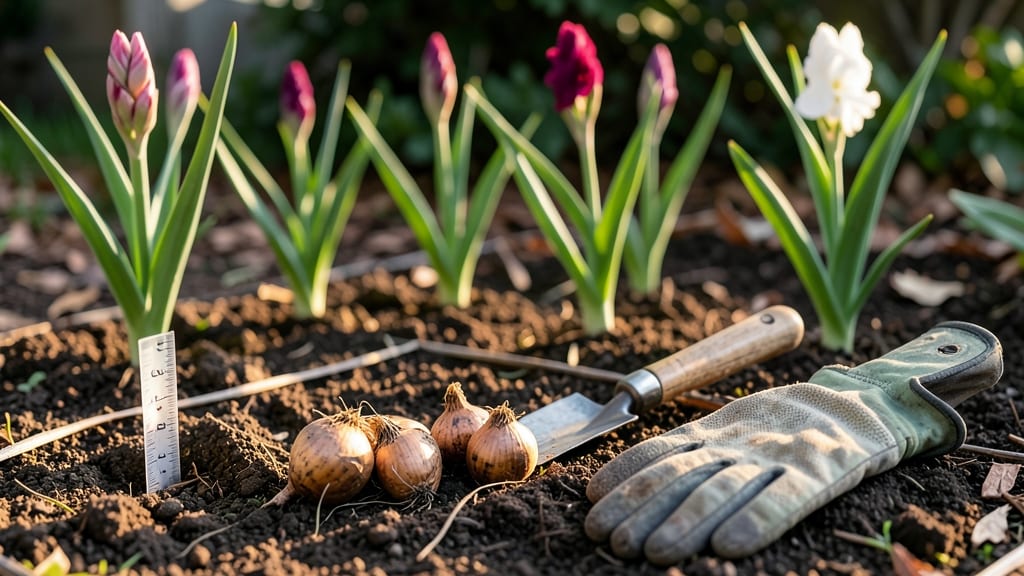
Planting gladiolus in Florida isn’t just about sticking corms in the ground—it’s about timing them perfectly to beat the brutal summer heat and humidity. 🌸 Skip the wrong window, and you’ll either watch your blooms wilt before they open or struggle with fungal rot.
The secret to show-stopping gladiolus lies in two narrow planting periods that align with Florida’s unique climate zones.
Most gardeners assume spring is the only time to plant, but in Florida’s 9a-11 zones, fall planting actually gives you a head start on next year’s flowers. While February-March works for spring blooms, August-September is your game-changer for fall displays.
The key? Plant when soil temps drop below 85°F—any hotter, and your corms will rot before they sprout.
Here’s what you’ll discover: how to adjust your schedule based on whether you’re in North Florida (where frosts linger) or South Florida (where heat never truly breaks). Plus, I’ll share my proven soil prep tricks to ensure your gladiolus thrive despite Florida’s heavy clay or sandy soils.
Ready to transform your garden into a bold floral spectacle?
Let’s dive into the exact planting calendar, variety recommendations, and care tips that’ll have your gladiolus reaching 5 feet tall with vibrant blooms—no matter where you are in the Sunshine State.
Florida gladiolus planting timeline by heat zone (avoid these deadly mistakes)
Gladiolus love Florida’s warmth but despise the summer heat spikes that can scorch their corms. The key to success lies in planting during cooler transitional months when soil temperatures stay below 85°F.
In Florida’s Heat Zones 9-11, this means two primary windows: late winter/early spring for spring blooms and late summer/early fall for fall displays.
Timing isn’t just about months—it’s about soil conditions. Gladiolus corms need 60-70°F soil to establish roots before summer’s intensity arrives. Plant too early in North Florida (Zone 9), and you risk rot from lingering moisture after winter rains.
Plant too late in South Florida (Zone 11), and your blooms may struggle with midday heat stress.
Here’s your heat-zone specific planting timeline to avoid common mistakes:
| Heat Zone | Best Planting Window | Avoid Planting | Soil Temp Goal | Bloom Time |
|---|---|---|---|---|
| 9A (North FL: Jacksonville, Gainesville) | February 15 - March 15 | June - August (summer heat) | 60-70°F | April - June |
| 9B (Central FL: Orlando, Tampa) | February 1 - March 30 | May - September | 65-75°F | March - July |
| 10A (South FL: Miami, Fort Lauderdale) | August 1 - September 15 | April - October | 70-80°F | September - November |
| 11 (Key West, Homestead) | July 15 - August 30 | March - November | 75-85°F | August - December |
🌡️ Pro Tip: Use a soil thermometer to confirm temperatures before planting.
For North Florida gardeners, the February-March window is ideal because it allows corms to establish roots before summer’s 90°F+ heat arrives. In South Florida, the late summer planting (August-September) ensures blooms appear before winter’s cooler temperatures slow growth.
One critical mistake many Florida gardeners make is planting gladiolus too early in spring when soil is still cold and wet. This creates the perfect conditions for corm rot. Always wait until soil temperatures consistently reach 60°F or higher—use a soil thermometer if you’re unsure.
Another region-specific tip: In South Florida’s Zone 11, where summers are relentless, opt for shade-tolerant varieties like 'Pink Parfait' and plant in partial shade to protect blooms from midday sun scorch. In North Florida, focus on heat-resistant cultivars like 'White Prosperity' for longer vase life.
After planting, mulch heavily with 2-3 inches of pine straw to retain moisture and regulate soil temperature. This is especially crucial in South Florida’s dry season (December-April) when evaporation rates are high.
Water deeply 2-3 times per week until blooms appear, then reduce to weekly deep watering to prevent fungal diseases.
For extended blooms, try staggered planting: Install new corms every 2 weeks within your chosen window. This ensures a continuous display from spring through fall, depending on your heat zone.
For example, in Zone 9B, you might plant half your corms in February and the rest in March for a 6-week bloom extension.
Remember: Gladiolus are not winter hardy in Florida. In North Florida (Zones 9A-9B), you can leave corms in the ground for one mild winter, but dig and store them after the first frost.
In South Florida (Zones 10A-11), corms can often overwinter in the ground with proper mulching, but they’ll bloom less vigorously the following season.
By following this heat-zone specific timeline, you’ll avoid the two biggest gladiolus killers in Florida: summer heat stress and fungal diseases from overwatering. With the right timing, your garden will burst with bold, show-stopping blooms all season long. 🌸
Florida gladiolus planting timeline by heat zone (avoid these deadly mistakes)
Florida’s heat zones 9-11 create unique challenges for gladiolus growers. The ideal planting window shifts dramatically between North Florida’s cooler winters and South Florida’s year-round warmth. Planting at the wrong time can trigger rot from excess moisture or stunted blooms from summer heat stress.
For spring blooms, aim for February-March in North Florida (zones 9a-9b), while South Florida gardeners (zones 10a-11) can start as early as January. The key is waiting until soil temperatures reach 60°F+—use a soil thermometer to confirm readiness.
| Region | Best Planting Window | Avoid After | Bloom Time |
|---|---|---|---|
| North FL (9a-9b) | Feb-Mar or Aug-Sept | April 15 (heat stress) | April-June or Oct-Nov |
| Central FL (9b-10a) | Jan-Feb or July-Aug | May 1 (fungal risk) | March-May or Sept-Nov |
| South FL (10b-11) | Dec-Jan or June-July | April 1 (heat shock) | Feb-Apr or Aug-Oct |
Summer planting requires shade cloth (30-50%) during peak afternoon sun (12-4 PM) to protect tender corms. In South Florida’s zone 11, you can even plant year-round with proper shade and daily watering—just avoid June-August when temperatures exceed 90°F.
For fall blooms, North Florida gardeners should plant August-September while South Florida can extend to October. The goal is to establish roots before first frost (which rarely occurs in South Florida but hits North Florida by December 1).
Pro tip: Use mulch (2-3 inches) of pine straw after planting to regulate soil temperature and retain moisture during Florida’s dry season (November-April). This simple step can double your success rate in our unpredictable climate.
Remember: Gladiolus corms are not frost-tolerant—even a light freeze (32°F) can kill them. Monitor local frost dates and adjust your schedule accordingly.