
Plants
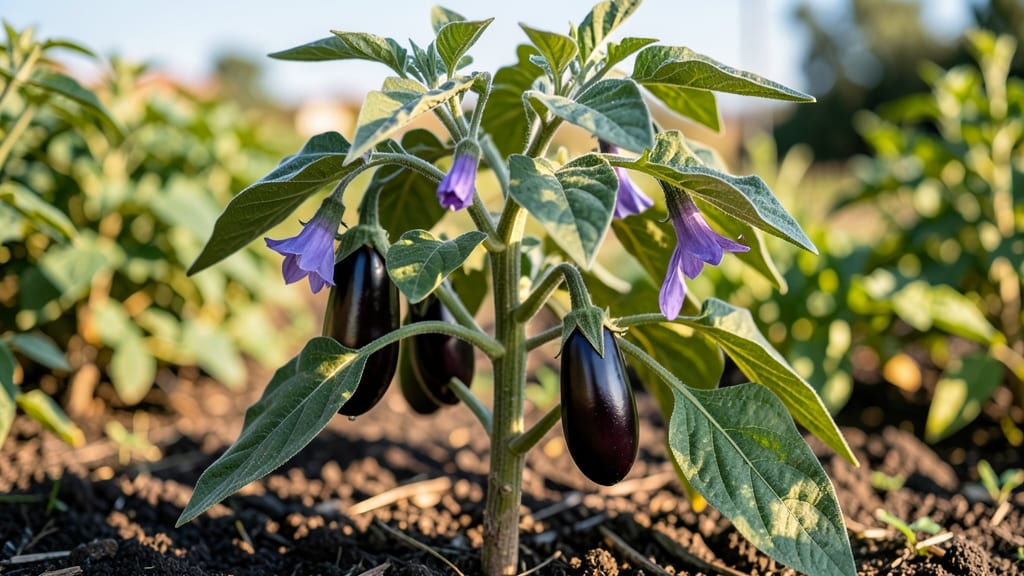
If you're planning your garden layout, knowing how tall eggplant plants grow is key—because these glossy-skinned veggies can surprise you with their height, from compact bushes to towering vines reaching over 3 feet tall.
Most gardeners assume eggplants stay small, but varieties like Black Beauty or Ichiban can stretch toward the sky, while dwarf types like Fairy Tale stay under 2 feet. That difference means your support system—whether stakes, cages, or containers—needs careful planning.
Height isn’t just about aesthetics; it affects everything from airflow (critical for disease prevention) to how easily you can harvest those 🍆 beauties without straining your back. Whether you're working in USDA Zone 6a or a container on your patio, understanding these growth patterns helps you optimize space and care.
Let’s break down the height ranges by variety, plus the simple tricks to control growth—so you can grow eggplants that fit your garden perfectly, no matter how much vertical room you’ve got.


Eggplant plant height by variety: compact vs. tall growing types
When planning your eggplant garden, understanding eggplant plant height is crucial for proper spacing and care. Most eggplant varieties fall between 12 and 36 inches tall, but some dwarf types stay as short as 12 inches, while giant varieties can reach 4 feet or taller.
The height directly impacts your staking needs, pruning approach, and even harvest accessibility.
For example, Black Beauty, a classic variety, typically grows 2 to 3 feet tall with a bushy growth habit, making it ideal for in-ground planting. Meanwhile, Ichiban, a Japanese heirloom, can stretch up to 3 to 4 feet tall and requires support to prevent sprawling.
Even Rosa Bianca, known for its white fruit, reaches 2 to 3 feet but produces long, heavy branches that benefit from trellising.
Here’s how eggplant varieties compare in terms of height and growth habits:
If you’re growing eggplants in containers, opt for dwarf varieties like Fairy Tale or Patio Baby, which stay under 2 feet tall. These are perfect for balconies or small patios where space is limited.
For in-ground gardens, taller varieties like Ichiban or Long Purple thrive when given room to spread and proper support.
Choosing the right variety isn’t just about height—it’s also about fruit size and growth speed. For instance, Fairy Tale produces small, gourmet-sized eggplants quickly, while Long Purple yields large, Asian-style fruits but takes longer to mature. Match your variety to your garden goals and available space!
Pro tip: Always check the seed packet or plant tag for mature height estimates, as some varieties can exceed expectations if given ideal conditions. Overcrowding or poor soil can also stunt growth, so plan accordingly.
For urban gardeners, consider vertical gardening with tall varieties. A sturdy 3-foot trellis can support Ichiban or Long Purple, saving ground space while keeping fruits off the soil and away from pests.
🌱
How eggplant height affects plant care: staking, pruning, and support needs
Your eggplant's height isn't just about aesthetics—it directly impacts how you care for the plant. Taller varieties like Black Beauty need sturdy support to prevent sprawling, while bush types may require strategic pruning to maximize airflow. Understanding these needs helps you avoid common pitfalls like broken stems or disease-prone foliage.
For vining eggplants (3–5 feet tall), I recommend installing trellises or cages early—before the plant reaches 12 inches. This prevents root disturbance and gives the plant stability as it grows. Use bamboo stakes or tomato cages for a cost-effective solution that works well in most gardens.
Here’s the key: Pruning isn’t just for shaping—it’s a tool to control height and improve fruit production. For bush varieties (1–2 feet tall), pinch off the topmost buds to encourage bushier growth and larger fruit. This technique redirects energy from vertical growth to fruit development.
Sunlight exposure changes with height. Taller plants cast shadows that can limit growth for nearby seedlings. Space your eggplants 18–24 inches apart in rows that are 3 feet apart to ensure all plants get adequate light.
If growing in containers, choose deep pots (12+ inches) to support root development and stability.
Watering needs also shift with height. Taller eggplants have deeper root systems, so they require deep watering (1–2 gallons per plant) every 2–3 days. Shallow watering encourages weak stems that can’t support the plant’s weight.
Use drip irrigation or soaker hoses to deliver water directly to the roots without wetting the leaves, reducing fungal risks.
Finally, height affects harvest accessibility. Tall varieties may require step stools or kneeling pads to pick fruit without damaging the plant. For container-grown eggplants, choose dwarf varieties or place pots on elevated stands to make harvesting easier and more ergonomic.