
Companion Plants
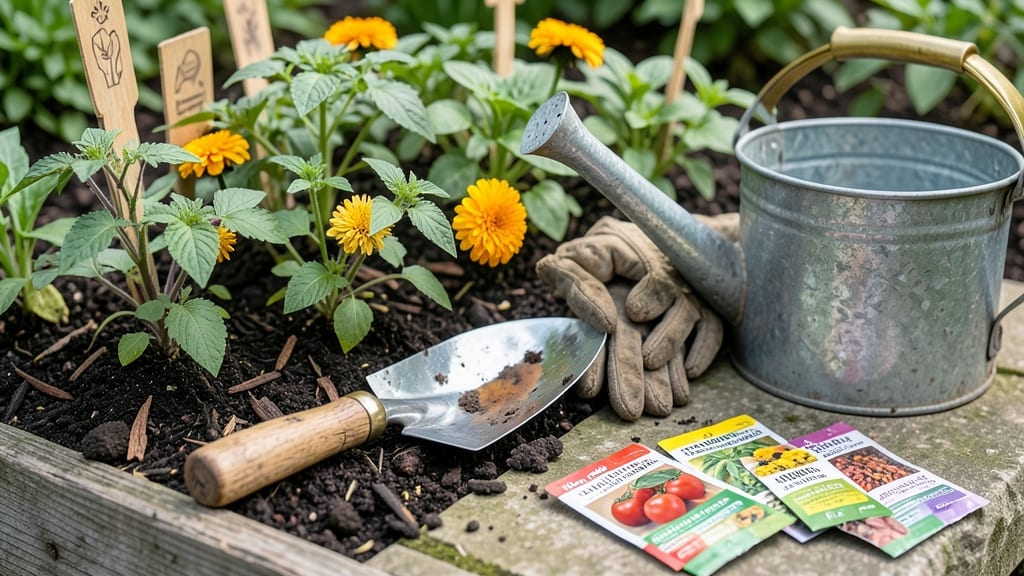
To plant in Zone 6a successfully, timing is everything—get it wrong, and your hard work could end up as a sad, frost-nibbled memory.
With last frost dates typically landing between April 15 and May 15, knowing the exact window for each crop means the difference between a bountiful harvest and wasted effort.
I’ve spent years testing what works in this tricky zone, where summer heat clashes with early frosts. Whether you’re dreaming of crisp lettuce in spring or pumpkins by fall, the key is matching your plant’s needs with your local microclimate.
Let’s break down the best times to plant—so you can grow with confidence, not guesswork.
From cool-loving greens to heat-seeking tomatoes, every crop has its ideal moment. You’ll learn how to read soil temperatures, adjust for early/late frosts, and even stretch your season with simple tricks. No more second-guessing—just a garden that thrives, season after season.
Ready to turn your Zone 6a plot into a year-round success? Let’s dive into the frost-free timeline that’ll have your 🌱 thriving all year long.
Zone 6A last frost dates: exact planting windows by crop type
Understanding Zone 6A frost dates is the foundation of successful gardening in this region. The average last frost date typically falls between April 15 and May 15, while the first frost usually arrives around October 15.
These dates create a 165-day growing season, which is perfect for both cool-season crops and warm-season vegetables with proper timing.
Your planting strategy should divide crops into two categories: hardy vegetables that tolerate light frost and tender plants that need warmth. For example, spinach and kale can handle 28°F temperatures, while tomatoes and peppers require soil temperatures above 55°F to thrive.
Let’s break down the exact windows for each category.
🌱 COOL-SEASON CROPS (Plant in Early Spring or Fall)
For cool-season crops, you can start planting as early as March 15 if you’re using row covers or a cold frame to protect seedlings.
These crops thrive in cooler temperatures and can even survive light frosts. Spinach and peas, for example, can handle temperatures down to 28°F, making them ideal for early spring plantings.
On the other hand, warm-season crops like tomatoes and peppers must wait until the soil warms to at least 55°F. This usually aligns with your last frost date, which in Zone 6A is typically May 15.
Planting too early can stunt growth or even kill seedlings, so always check soil temperature with a soil thermometer before committing.
Herbs and flowers offer flexibility. Basil and marigolds can be planted as soon as the soil is workable in early spring, while cosmos and zinnias tolerate heat and can be sown directly after the last frost.
For perennials, early spring or fall planting gives roots time to establish before extreme temperatures arrive.
Pro tip: Use a frost clock or local weather alerts to adjust your planting timeline. Microclimates—like south-facing slopes or urban heat islands—can shift frost dates by 1–2 weeks, so observe your garden’s unique conditions.
For example, if your garden sits in a low-lying area, frost may linger longer, delaying warm-season plantings.
Finally, don’t forget about succession planting. By staggering plantings every 2–3 weeks, you can extend harvests for crops like lettuce and radishes throughout the growing season. This technique maximizes your garden’s productivity and ensures a steady supply of fresh produce.
With these Zone 6A planting windows in mind, you’re ready to create a garden that thrives from spring to fall. Next, we’ll explore how to adjust for early or late frost years—because even the best-laid plans need flexibility! 🌿
How to adjust planting times for early vs. late Zone 6A
Zone 6A's April 15 to May 15 last frost window creates a 3-week variability that can drastically impact your garden's success. If you're in the earlier end of this range, you might see frost as late as May 1, while later areas could be frost-free by April 20.
This variation means your cool-season crops like broccoli or peas might bolt if planted too late, while warm-season plants like tomatoes could struggle if set out prematurely.
Microclimates within Zone 6A add another layer of complexity. A south-facing slope might warm up 1-2 weeks earlier than a low-lying area, while valleys can hold frost longer.
Understanding these nuances lets you extend your growing season by 2-4 weeks in either direction, giving you more harvest windows for both spring and fall crops.
One of my favorite season-extending tricks is using row covers or cold frames to push planting dates earlier by 3-4 weeks. For example, I plant spinach and peas under floating row covers as early as March 1, then remove them once daytime temperatures consistently stay above 50°F.
This gives me a 6-week head start on the growing season and often results in harvests before my neighbors even plant!
For warm-season crops like tomatoes and peppers, I recommend waiting until the soil temperature reaches 60°F—not just the air temperature. Use a soil thermometer to check, as cold soil can stunt root growth and delay fruiting.
If you're impatient, you can start seeds indoors 6-8 weeks before your last frost date and transplant hardened-off seedlings once conditions are right.
Succession planting is another game-changer for Zone 6A gardeners. By staggering plantings every 2-3 weeks for crops like lettuce, radishes, and beans, you can ensure a continuous harvest rather than one big bumper crop.
For example, I plant radishes every 10 days from April through July, which keeps my kitchen stocked with fresh, crisp radishes all summer long.
Don't forget about fall planting—Zone 6A offers a second chance to grow cool-season crops! Start planting kale, broccoli, and carrots 4-6 weeks before your first frost date (typically around September 15).
These crops actually sweeten up after frost, making late-season harvests some of the most flavorful of the year.