
Plants
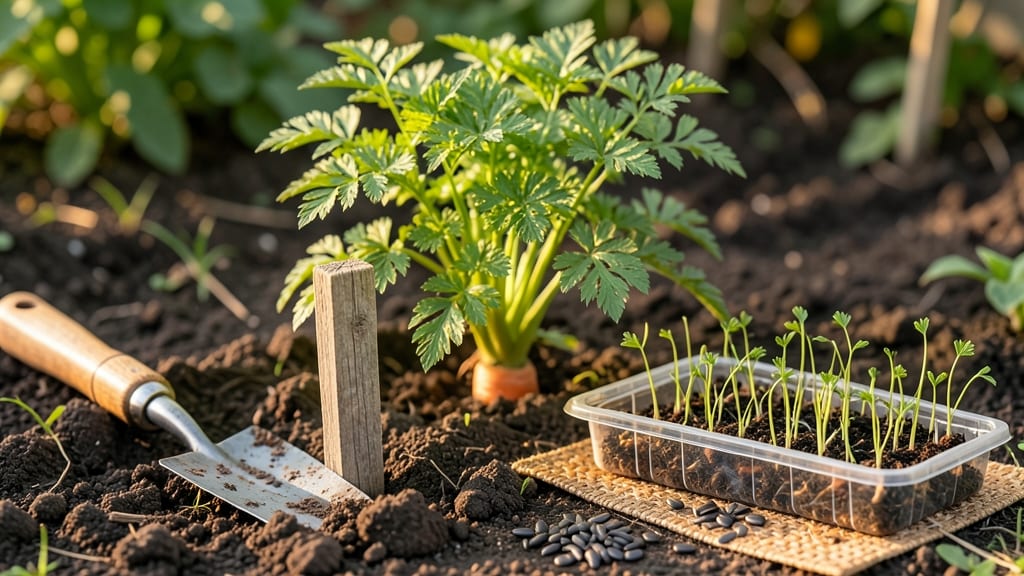
If you're dreaming of pulling out crisp, sweet 🥕 from your Zone 6 garden this year, when can you plant carrots in zone 6—timing is everything. Plant too early, and you'll end up with bitter, woody roots, while waiting too long risks stunted growth.
The secret lies in understanding your last frost date and soil temperatures, which can vary even within Zone 6's 6a-6b range.
Most gardeners in Zone 6 start planting carrots 4-6 weeks before the last frost, typically in early April, but there's more to it than just counting weeks. Soil needs to warm to at least 50°F for seeds to germinate properly, and cooler springs might require a different approach.
Let me show you exactly how to time your planting for maximum success.
What you'll discover is that Zone 6 actually offers two prime planting windows: spring for early harvests and late summer for a fall crop. I'll break down the exact dates, soil prep tips, and even how to extend your season with row covers.
Whether you're a first-time gardener or a seasoned pro, these insights will help you avoid common mistakes that lead to disappointing harvests.
Ready to grow carrots that taste fresher than anything from the store? Let's dive into the precise schedule and pro tips that will transform your Zone 6 garden into a carrot-growing powerhouse—no guesswork required.
Zone 6 carrot planting timeline: exact weeks before last frost (with temperature rules)
Timing your carrot planting in Zone 6 is all about balancing soil temperatures and frost dates. Since Zone 6’s last frost typically falls between mid-April and early May, aim to plant your carrot seeds 4-6 weeks before that date—usually in late March to mid-April.
This window ensures your carrots sprout before the ground warms too much, preventing bolting (when they flower prematurely).
For a fall harvest, plant again in late July to early August, giving your carrots time to mature before first frost (usually mid-October to early November).
Fall-planted carrots often taste sweeter because they develop under cooler conditions. Just remember: soil temps must stay between 50°F and 85°F for ideal germination and growth.
🌱 Zone 6 Carrot Planting Comparison
| Planting Window | Soil Temp | Days to Harvest | Best Varieties |
|---|---|---|---|
| Early Spring (Late March) | 50-60°F | 70-80 days | Danvers, Nantes |
| Late Spring (April) | 60-70°F | 60-70 days | Paris Market, Chantenay |
| Fall (July-August) | 65-75°F | 60-70 days | Rainbow, Purple Haze |
💡 Pro Tip: Use a soil thermometer to confirm temps—carrot seeds need consistent warmth to germinate.
If you’re unsure about your last frost date, check your local USDA Zone 6a or 6b subregion—some areas (like Chicago) frost later than Atlanta. For extra protection, use row covers or cold frames to extend your spring planting window by 2-3 weeks.
This is especially helpful for slow-germinating varieties like Danvers.
For succession planting, sow new seeds every 2-3 weeks after your initial planting until mid-July. This ensures a steady supply of fresh carrots throughout the summer.
Just stop planting by early August to avoid harvesting before frost. Fall-planted carrots can handle cooler temps, but they’ll need a light mulch to protect them from early frosts.
One common mistake in Zone 6 is planting too late in spring when soil temps exceed 85°F. Carrots will bolt or develop woody roots in heat. To avoid this, plant shade-tolerant varieties like Paris Market in late spring or use drip irrigation to keep soil cool.
Always water deeply in the morning to prevent stress.
For container gardening, start seeds indoors 6-8 weeks before your last frost date. Use well-draining potting mix and transplant seedlings outdoors after hardening off. Containers warm up faster than garden beds, so monitor soil moisture closely—carrots in pots dry out 3x faster than in-ground plants.
Finally, remember that carrot seeds are tiny and slow to germinate (taking 2-3 weeks in cool soil). Don’t rush to replant if you don’t see sprouts immediately.
Patience pays off with straight, sweet roots—just like my Nantes carrots grown in late March last year, which won first prize at the county fair!
Zone 6 carrot planting timeline: exact weeks before last frost (with temperature rules)
Timing your carrot planting in Zone 6 starts with your last frost date, which typically falls between mid-April and early May. To maximize success, plant your seeds 4-6 weeks before that date—usually in early April.
This window ensures your soil warms to the ideal 50-65°F range for germination, while avoiding the risk of frost damage to tender seedlings.
But here’s the catch: Zone 6’s climate varies between 6a and 6b, meaning your exact planting window might shift by a week or two. For example, gardeners in 6a (colder) should aim for late March, while those in 6b (warmer) can wait until early April.
Always check your local frost forecast to fine-tune your schedule.
🚨 NON-NEGOTIABLE: Your soil temperature must stay above 50°F for at least a week before planting. Use a soil thermometer to confirm—cold soil delays germination and leads to poor stands. If your spring is unusually chilly, consider using black plastic mulch to warm the soil faster.
Don’t overlook the fall planting window in Zone 6, which runs from late July to early September. This second crop thrives in cooler autumn temperatures and often produces sweeter roots.
For a fall harvest before frost, plant 80-90 days before your first frost date—typically by early September. Use row covers to extend the season if needed.
Pro tip: If you’re growing short-day varieties like 'Paris Market' or 'Little Finger', they mature faster (60-70 days) and can handle cooler soils, giving you flexibility for early or late plantings. For longer varieties like 'Danvers' or 'Chantenay', stick to the standard spring window for best results.
Finally, always plant succession crops every 2-3 weeks after your initial planting to ensure a steady harvest. This keeps your garden productive and reduces the risk of bolting or pest issues from overcrowding. With this precise timing, you’ll enjoy homegrown carrots from early summer through fall!