
Plants
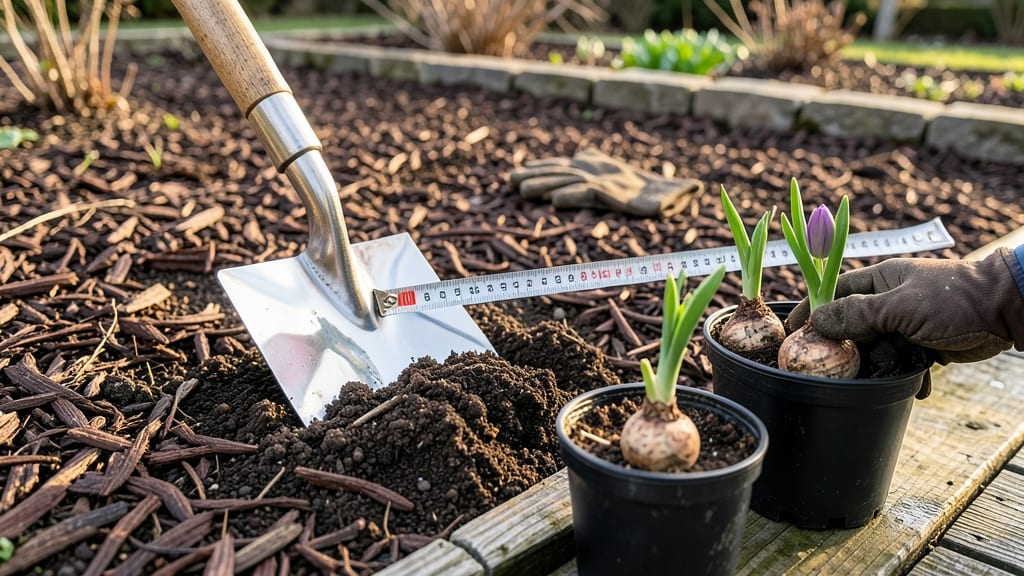
Planting your potted tulips in the ground at the wrong time can mean the difference between a show-stopping spring display and a sad, wilted disappointment.
The ideal window for transplanting these bulbs into garden beds depends on your hardiness zone, but most gardeners in USDA Zone 6a should aim for late September through October—just 4-6 weeks before the first hard frost.
Why does timing matter so much? Tulips need time to establish roots before winter dormancy sets in. Plant too early, and you risk encouraging premature growth that frost will kill. Too late, and the bulbs won’t anchor deeply enough for strong spring blooms.
I’ll walk you through the exact months for your climate, plus how to prep your soil and avoid common pitfalls that could ruin your best chances for vibrant flowers.
You might assume you can just pop them in the ground whenever it feels right, but tulips are picky about temperature and soil conditions. The key is getting them in when the ground cools below 60°F—that’s usually September or October in most regions.
I’ll share how to check if your potted bulbs are ready to move, plus what to do if you missed the fall window and need to plant in early spring.
Let’s cut through the guesswork so you can enjoy those bold, colorful blooms next spring without the stress. Whether you’re a first-time gardener or a seasoned pro, these tips will help you transplant with confidence—and get the most out of your tulip investment.
Best transplant months for potted tulips by climate Zone
Transplanting potted tulips into your garden requires careful timing to ensure they establish strong roots before winter. The ideal window is 4-6 weeks before the first hard frost, allowing bulbs to root deeply.
In most USDA zones 3-10, this means late September to November, but exact timing varies by region.
For example, gardeners in Zone 5 should aim for mid-October, while those in Zone 8 can plant until early December. The key is ensuring soil temperatures drop below 60°F—tulips need this cooler shift to trigger dormancy and prevent early sprouting.
Spring planting is possible in warmer zones (9-10), but tulips may bloom later or produce fewer flowers. If you miss the fall window, wait until late winter (January-February) in mild climates, but avoid planting when soil is still frozen.
| USDA Zone | Best Planting Window | Soil Temp Requirement | Frost Risk |
|---|---|---|---|
| Zones 3-4 | Late September - Early October | Below 60°F | High (plant early) |
| Zones 5-6 | Mid-October - November | Below 60°F | Moderate |
| Zones 7-8 | October - Early December | Below 65°F | Low |
| Zones 9-10 | Late Fall or Early Spring | 55-65°F | None |
Check your local last frost date (available via USDA Plant Hardiness Zone Map) and count backward. For instance, if frost hits November 15, plant by October 15 to give roots time to establish.
In Zone 6, where I garden, I always aim for late October—this ensures bulbs root before winter but don’t sprout too early.
If you’re unsure about your zone, use a soil thermometer to monitor temperatures. Tulips prefer 50-60°F soil for planting. Pro tip: Dig a test hole in your garden—if the soil feels cool to the touch, it’s likely ready for bulbs.
For container-grown tulips, gently loosen roots before planting to minimize shock. Space bulbs 4-6 inches apart and plant them 6-8 inches deep, with the base of the bulb 2 inches below soil level. This depth mimics their natural habitat and prevents rot.
In warmer climates (Zones 9-10), tulips can be planted in late winter (January-February) to avoid summer heat stress. However, blooms may arrive later than fall-planted bulbs. Always prioritize well-draining soil—tulips hate soggy roots, which can lead to rot.
After transplanting, water deeply to settle soil around the bulbs. Mulch with 2-3 inches of organic matter (like straw or shredded leaves) to insulate roots and retain moisture. This step is critical in Zone 4, where I’ve seen bulbs freeze without protection.
Remember: Spring-planted tulips often produce fewer blooms because they haven’t had time to store enough energy. If you miss the fall window, consider forcing bulbs indoors for winter blooms instead of outdoor planting.
🌷
Best transplant months for potted tulips by climate Zone
Transplanting potted tulips too early or late can mean the difference between vibrant spring blooms and wilted disappointment. The key is planting when your USDA hardiness zone and soil temperature align with the bulbs' natural dormancy cycle.
For most regions, fall planting (4-6 weeks before first frost) gives bulbs time to establish roots before winter. But timing varies dramatically—from August in Zone 10 to November in Zone 3.
Your local climate dictates everything. In warmer zones (7-10), tulips thrive when soil cools below 60°F (15°C), typically in late September to early October.
Meanwhile, cold zones (3-6) need bulbs planted by mid-October at the latest to avoid winter heaving. Even a 2-week delay can leave bulbs vulnerable to frost damage.
Here’s how to match your zone to the perfect transplant window:
Spring planting is risky but possible in mild climates (Zones 8-10). If you miss fall, wait until January-February when soil warms to 50°F (10°C)—but expect smaller blooms that first year.
Always prioritize root establishment before heat stress. In my Zone 6a garden, I’ve found October 1st is the sweet spot: bulbs get 6 weeks of root growth before winter.
Pro tip: Check your local average first frost date (USDA maps are your friend) and count backward. Tulips need 4-6 weeks to adjust to outdoor conditions. If your zone has unpredictable weather, err on the earlier side—better to plant too soon than too late.
Mulch heavily after planting to insulate bulbs through winter.
Remember, soil temperature matters more than air temperature. Use a soil thermometer to confirm conditions. If your ground feels warm to the touch, wait a few more days. Potted tulips are tough, but they’ll thank you with bold, healthy blooms next spring if you nail the timing.