Plants
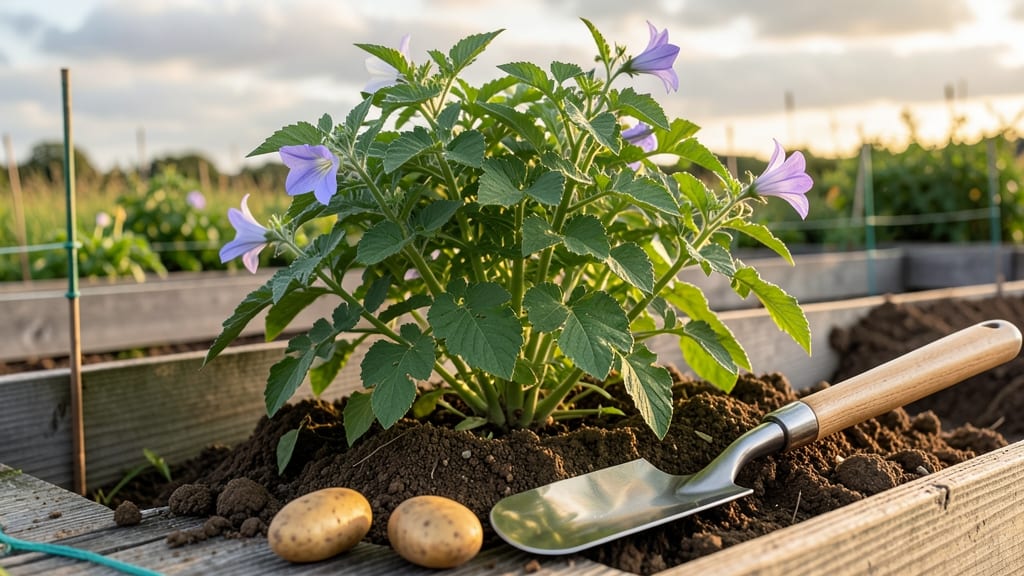
When do you plant potatoes in California? Timing your potato planting in California can make or break your harvest—especially when coastal chill meets inland heat. Whether you're in 9b (coastal) or 7b-10a (inland valleys), getting it wrong means stunted growth, wasted seed potatoes, or even total crop failure. The key? Understanding when to plant 🥔 for your specific microclimate.
If you've ever wondered why some gardeners swear by fall planting while others wait until spring, it all comes down to frost dates and soil warmth.
Coastal areas like San Diego can start as early as October, while inland valleys like Sacramento need to wait until February to avoid frost damage. But here's the twist: even within these windows, early vs. late varieties play a huge role in your success.
I've spent years perfecting my own potato schedule in California, and what I'm about to share will help you avoid common mistakes like planting too soon in cold coastal soils or missing the sweet spot for summer harvests.
Let me walk you through exactly when to plant for maximum yield, no matter where you garden in the Golden State.
From staggered planting for continuous harvests to adjusting for late frosts in the mountains, you'll discover practical strategies that actually work. Ready to grow potatoes like a pro? Let's get started with the timing that makes all the difference.
Optimal planting times for California potatoes: coastal vs inland climate differences
California's diverse climate creates a unique challenge for potato growers. While coastal regions like San Diego and Santa Barbara enjoy mild winters, inland areas such as the Central Valley and Sacramento experience colder temperatures. These differences mean planting times can vary by 3-4 months depending on your location.
In coastal areas, the ideal planting window starts as early as October and extends through March. This allows potatoes to mature before summer heat arrives. Meanwhile, inland gardeners should wait until February or March to avoid late frosts that can damage young plants.
Soil temperature plays a crucial role too. Potatoes thrive when soil reaches 45°F (7°C)—coastal soils often hit this mark by late fall, while inland soils may need until spring. Always check soil temperature with a soil thermometer before planting.
For coastal gardeners, early varieties like Yukon Gold or Red Norland are ideal—they mature in 60-90 days, perfect for avoiding summer heat. Inland growers should opt for late varieties like Russet or Kennebec, which take 90-120 days to reach harvest.
Microclimates matter too. Even within cities, urban heat islands can create 5-10°F warmer conditions than surrounding areas. If you're unsure about your local frost dates, check the USDA Plant Hardiness Zone Map or consult your local Cooperative Extension office for precise guidance.
One key tip: Stagger your planting by 2-3 weeks for a continuous harvest. For example, plant a batch in October (coastal) and another in November to extend your yield through spring and summer. This works especially well for container growing in urban areas.
Remember, soil preparation is just as critical as timing. Work in compost or aged manure before planting to improve drainage, and avoid planting in low-lying areas where cold air pools. A well-prepared bed can make the difference between a thriving crop and a failed harvest.
If you're planting in containers, use a lightweight potting mix with added perlite to prevent waterlogging. Containers also allow you to move potatoes to sunnier spots as the season progresses, which is especially helpful in partial-shade gardens.
Finally, keep an eye on weather forecasts in the weeks leading up to planting. A sudden cold snap can delay growth, while unexpected warmth might encourage early sprouting—both of which can throw off your harvest timeline.
When in doubt, err on the side of planting later rather than risking frost damage.
How to adjust planting timing for early vs late varieties in California
Choosing the right potato variety for your California garden isn't just about taste—it's about matching your planting window to the variety's maturity timeline.
Early varieties like Yukon Gold (60-90 days) thrive in coastal fall plantings for spring harvests, while late varieties like Russet Burbank (100-120 days) need spring planting in inland valleys.
I've learned the hard way that planting a late variety too early in coastal zones leads to bolting (premature flowering) before harvest.
For coastal gardeners in zones 9b-10a, I recommend planting early varieties like Red Pontiac (75 days) in October-November for a March-April harvest. The mild winters give them enough time to mature before summer heat arrives.
Meanwhile, inland gardeners in Sacramento or Fresno should wait until February-March for late varieties like Kennebec (90-110 days) to avoid frost damage during their longer growing season.
- Best planting time: October-December (coastal) or February-March (inland)
- Examples: Yukon Gold, Red Norland, Fingerlings
- Harvest window: March-June (coastal) or May-July (inland)
- Pro tip: Stagger plantings every 2 weeks for continuous harvest
- Best planting time: February-April (inland) or March-April (coastal)
- Examples: Russet, Kennebec, Purple Viking
- Harvest window: June-August (inland) or July-September (coastal)
- Pro tip: Use frost blankets if planting late in coastal areas
- Planting late varieties too early in coastal zones (they'll bolt)
- Skipping soil warming in inland valleys (wait until soil reaches 45°F)
- Not accounting for summer heat in inland areas (choose heat-tolerant varieties)
One strategy I swear by is staggered planting. By planting half my early potatoes in October and the other half in November, I extend my harvest from March through May.
This works especially well for container growing in urban areas where space is limited. For late varieties, I plant two successive batches in February and March to ensure a steady supply through summer.
Soil temperature is your secret weapon. Use a soil thermometer to confirm your soil is at least 45°F before planting—especially in inland valleys where cold snaps can delay warming. I've found that black plastic mulch can raise soil temps by 5-10°F in just days, giving you an earlier planting window.
For coastal gardeners, this isn't as critical, but it's a game-changer for inland areas where frost can linger.
Remember that container growing changes the equation. Potted potatoes warm up faster but dry out quicker. I plant mine in March-April regardless of location, using self-watering containers to maintain consistent moisture.
The trade-off? You'll need to harvest earlier to avoid heat stress, but you gain flexibility in urban spaces where in-ground planting isn't possible.
Your microclimate matters more than your general region. A backyard in San Diego's inland valleys might need a different schedule than one near the coast. Pay attention to local frost dates and adjust accordingly.
For example, Palm Springs can plant as late as April for summer harvests, while Sacramento should be in the ground by February. When in doubt, ask your local extension office for hyper-local advice—it's saved me from more than one failed crop.