
Plants
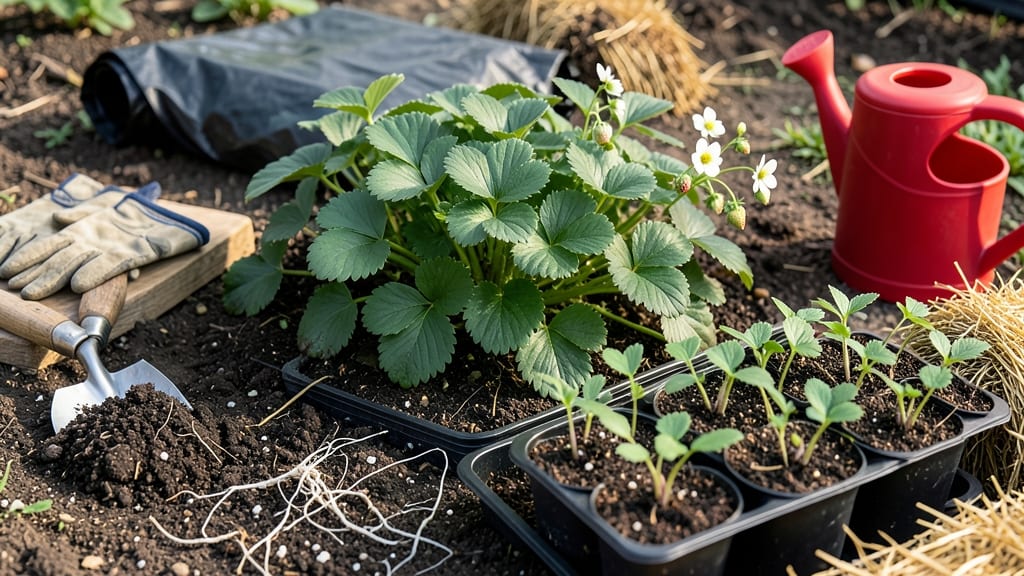
Planting strawberries in Kentucky at the wrong time can mean the difference between a bountiful summer harvest and a sad pile of frost-damaged leaves. With Zone 6a's unpredictable spring freezes and chilly fall nights, timing is everything for your 🍓 plants to thrive.
Whether you're a first-time gardener or a seasoned grower, knowing whether to plant in early spring or late fall makes all the difference. Kentucky's last frost typically hits around mid-April, but that doesn't mean you should wait - or rush.
I'll walk you through the exact planting windows that work best for Kentucky's climate, including how to prepare your soil and choose between bare-root or potted plants. Get this right, and you'll be enjoying homegrown strawberries by next summer.
The key is understanding your microclimate and variety needs - June-bearing types need 400-600 chill hours, while everbearing varieties are more flexible. Let's get your strawberry patch off to the perfect start.
Kentucky strawberry planting timeline: chill-hours & frost-free dates for Zone 6a
Kentucky’s Zone 6a climate demands precise timing for strawberry planting—too early risks frost damage, while late planting may delay harvests. The key is understanding chill-hour requirements (400-600 hours below 45°F) and aligning them with your last frost date (typically April 15).
June-bearing varieties need full chill-hours, while everbearing types tolerate fewer.
For spring planting, aim for 4-6 weeks before Kentucky’s last frost—usually mid-March to early April. This window ensures roots establish before warm weather arrives. Fall planting, however, offers a second chance: plant in September or early October to allow roots to settle before winter dormancy.
Both methods work, but spring planting yields earlier harvests.
Your exact planting window depends on your Kentucky region. Louisville (Zone 6b) may have slightly later frosts, while Eastern Kentucky (Zone 6a) often faces earlier freezes. Check local frost data or use a planting calendar for your county.
For example, Lexington gardeners might plant as early as late February, while Paducah growers should wait until mid-March.
| Planting Window | Chill-Hours Needed | Best Varieties | Harvest Time |
|---|---|---|---|
| Spring (March-April) | 400-600 hrs | Chandler, Jewel, Allstar | May-July |
| Fall (September-October) | 200-400 hrs | Seascape, Tristar, Albion | June-August |
June-bearing strawberries, like Chandler, require the full 400-600 chill-hours Kentucky winters provide. Plant them in early spring for a 3-4 week harvest window in late spring. Everbearing varieties like Seascape produce fruit in two flushes—spring and fall—and tolerate fewer chill-hours, making them ideal for fall planting.
If you’re unsure about chill-hours, opt for day-neutral varieties like Tristar, which produce fruit continuously without strict chill requirements. These thrive in containers or raised beds, giving you flexibility in Kentucky’s variable climate. For best results, plant bare-root plants in spring or potted plants in fall.
Kentucky’s first frost typically arrives around October 15, cutting short any late-season plantings. If you miss the fall window, wait until next spring—don’t risk planting in November or December, as young plants won’t survive winter.
Instead, use the off-season to prepare beds with compost and mulch for early spring planting.
Pro tip: Stagger your planting by 2-3 weeks for a prolonged harvest. For example, plant half your June-bearing strawberries in mid-March and the rest in late March.
This ensures berries ripen over 4-6 weeks instead of all at once. Everbearing varieties benefit from two plantings: one in spring and another in early fall.
Monitor soil temperature before planting—roots need 40°F+ to establish. Use a soil thermometer to check; cold soil delays growth. In Northern Kentucky, where winters are colder, prioritize fall planting to avoid spring freezes. Southern Kentucky’s milder climate allows for earlier spring plantings.
Remember, Kentucky’s microclimates vary dramatically. A sheltered garden in Louisville may warm up faster than an exposed hillside in Harlan. Adjust your planting date by 1-2 weeks based on your specific location. When in doubt, consult your local Cooperative Extension Service for hyper-local advice.
Step-by-step guide: how to plant strawberries in Kentucky’s climate
Now that you know the best times to plant strawberries in Kentucky, let’s dive into the step-by-step process for getting your plants established. The key is preparing your soil and site properly, choosing the right planting method, and spacing your plants correctly to maximize airflow and reduce disease risks.
Start by selecting a sunny location with at least 6-8 hours of sunlight daily. Strawberries thrive in well-draining soil with a pH between 5.5 and 6.5. If your soil is heavy clay or sandy, amending it with compost or aged manure will improve its structure and fertility.
Kentucky’s soil can be acidic, so you may need to add lime to raise the pH if it’s below 5.5.
Before planting, remove any weeds or grass from the area. Strawberries are shallow-rooted, so competition from other plants can stunt their growth. If you’re planting in raised beds or containers, fill them with a mix of topsoil and compost for optimal drainage and nutrient retention.
🌱 STEP-BY-STEP PLANTING GUIDE FOR KENTUCKY
- Prepare the soil: Test pH (5.5-6.5) and amend with compost. Loosen soil to 12 inches deep.
- Choose planting method: Bare-root (cheaper) or potted (faster establishment).
- Planting depth: Crown should sit 1/2 inch above soil to prevent rot.
- Spacing: 18-24 inches apart in rows 3 feet apart for airflow.
- Water immediately: Soak soil to 12 inches deep after planting.
- Mulch heavily: Use straw or pine needles to protect from frost and retain moisture.
When planting, decide whether to use bare-root plants (more affordable but require soaking roots) or potted plants (easier to handle but pricier). If using bare-root, soak the roots in water for 1-2 hours before planting to encourage root growth.
For potted plants, gently remove them from their containers and tease apart the roots if they’re circling.
Dig a hole slightly wider than the plant’s root ball and place the plant so the crown sits 1/2 inch above soil level. This prevents rot while allowing the roots to establish.
Space plants 18-24 inches apart in rows that are 3 feet apart to ensure proper airflow and reduce fungal diseases like gray mold, which is common in Kentucky’s humid summers.
After planting, water deeply to settle the soil and remove any air pockets. Mulch heavily with straw or pine needles to protect the plants from late frosts and retain moisture. Avoid using wood chips, as they can compact and suffocate the shallow roots.
In Kentucky’s climate, mulching is especially important to protect young plants from temperature swings in spring and fall.
For a prolonged harvest, consider staggering your plantings. Plant 1/3 of your plants in early spring (March), another 1/3 in late spring (April), and the final 1/3 in early fall (September).
This ensures you’ll have berries ripening at different times throughout the season, giving you a steady supply from May through August.