
Plants
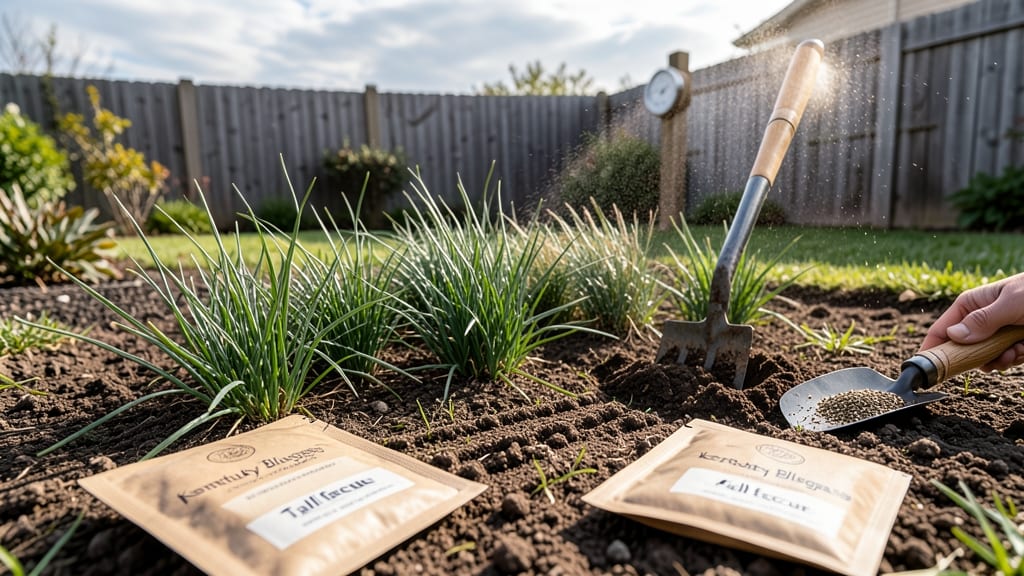
Planting grass seed in Michigan too late can turn your dream of a lush lawn into a frustrating gamble—especially when frost sneaks in faster than expected.
The USDA Zone 5b deadline isn’t just a random date; it’s the tipping point where soil temperatures drop below 50°F, halting germination and leaving your seeds vulnerable to winter’s harsh conditions.
I’ve seen firsthand how a week’s delay can mean the difference between a vibrant spring lawn and a patchy, slow-to-recover yard. Michigan’s unpredictable fall weather throws off even the most careful gardeners, so knowing the exact cutoff—usually mid-October—is critical to avoid wasted seed and money.
In this guide, I’ll break down the science behind Michigan’s frost risk, share real-world deadlines based on local climate data, and reveal the 5 warning signs it’s too late to plant.
Whether you’re seeding in early fall or scrambling to salvage a late start, you’ll learn how to make the most of your grass seed—no matter the timing.
Ready to avoid the common mistakes that leave lawns struggling? Let’s dive into the actionable steps that’ll help you plant with confidence, even when the calendar says it’s too late.
Michigan’s exact last date to plant grass seed before frost risk (USDA Zone 5b guide)
Michigan’s USDA Zone 5b climate means your grass seed must establish roots before the first frost, typically arriving between October 15-30 across most regions. Planting too late risks seed dormancy or death from freezing soil—even if temperatures hover above freezing, soil temperatures below 50°F stall germination.
For reliable results, aim to finish seeding by mid-September in southern Michigan and early September in northern areas like Traverse City.
To pinpoint your exact deadline, check Michigan State University’s Frost Date Maps or NOAA’s Local Climate Data. These tools show historical frost patterns, helping you adjust for your specific county. For example, Detroit’s average first frost is October 12, while Marquette’s arrives by October 1.
Planting 4-6 weeks before these dates gives seeds time to germinate and develop a 3-inch root system before winter.
Soil temperature is the real game-changer. Grass seeds need soil at least 50°F to sprout, but cool nights can drop temps below this threshold. Use a soil thermometer ($10 at garden centers) to test depths of 2-4 inches.
If readings dip below 55°F at night, germination slows dramatically. Pro tip: Dark-colored mulch or black plastic sheets can warm soil by 5-10°F on chilly days.
Here’s the hard deadline breakdown by Michigan region: - Southern Michigan (Detroit, Ann Arbor): September 20 - Central Michigan (Lansing, Grand Rapids): September 10 - Northern Michigan (Traverse City, Marquette): August 25 These dates assume average conditions—unusually warm Septembers (like 2020) can extend the window by 1-2 weeks, while cold snaps (like 2014) shorten it.
| Factor | Critical Threshold | Michigan-Specific Note |
|---|---|---|
| First Frost Date | 4-6 weeks before | Check MSU Extension for county-specific dates |
| Soil Temperature | ≥50°F (2-4" depth) | Northern MI often drops below this by late Sept |
| Daylength | 12+ hours daylight | Late Sept = shorter days slow growth |
| Seed Germination Time | 7-21 days (varies by type) | Tall fescue germinates faster than Kentucky bluegrass |
| Root Establishment | 3-inch depth | Cold soil = shallow roots = winterkill risk |
If you’re planting perennial ryegrass (a cold-hardy option), you can push the envelope to October 1 in southern Michigan, as it germinates in 5-7 days and tolerates light frost. However, Kentucky bluegrass and fine fescue need warmer soil—plant these by September 15 at the latest.
Always test soil moisture too: dry soil below 30% moisture can halt germination even if temps are ideal.
Local weather patterns matter more than calendar dates. For example, 2022’s early October frost in Kalamazoo caught many off guard, while 2018’s late October frost in Flint gave gardeners extra time. Sign up for Michigan State University’s Alert System or use Weather Underground’s frost predictions to get real-time alerts.
Pro move: Plant a test strip 2 weeks before your deadline—if it thrives, you’ve got time for the full lawn.
One common mistake is assuming air temperature equals soil temperature. A 60°F October day can hide 45°F soil, which blocks germination. To fix this, water deeply before planting to raise soil temps by 3-5°F through heat retention.
For late-season planting, choose shade-tolerant varieties like ‘ShadeMaster’ tall fescue, which handle cooler conditions better than sun-loving types.
If you’re overseeding an existing lawn, your window shrinks further. Existing grass competes for nutrients, so seeds need ideal conditions to outpace it. In Michigan, late August to early September is the only safe window for overseeding—any later, and the old grass will smother new shoots.
Use a slit seeder to place seeds ½-inch deep
5 Critical signs it’s too late to plant grass seed in Michigan (and what to do instead)
When Michigan’s fall temperatures start dropping, your grass seed may struggle to germinate—even if the soil feels warm. One of the first red flags is nighttime temperatures consistently dipping below 50°F, which halts seed activation.
Check your local NOAA frost forecast to confirm if your area’s last frost date is approaching.
Another warning sign is hardened soil that resists penetration from a trowel. Cold, compacted soil can’t retain moisture or warmth, making it impossible for seeds to sprout. If your soil feels rock-hard when tested, it’s past the ideal window for fall planting.
Here’s the critical visual checklist to assess if it’s too late:
If you’ve spotted 3+ of these signs, your grass seed may not survive the winter. Instead of wasting money, consider overseeding with winter ryegrass or planning for a spring planting in March or April when soil temperatures rise above 55°F consistently.
For immediate action, try covering seeds with straw mulch (2-3 inches thick) to insulate them from frost, but expect limited success if temperatures drop below 32°F. The best backup plan? Wait until spring—Michigan’s USDA Zone 5b rewards patience with stronger, healthier lawns when planted at the right time.
🌱