Plants
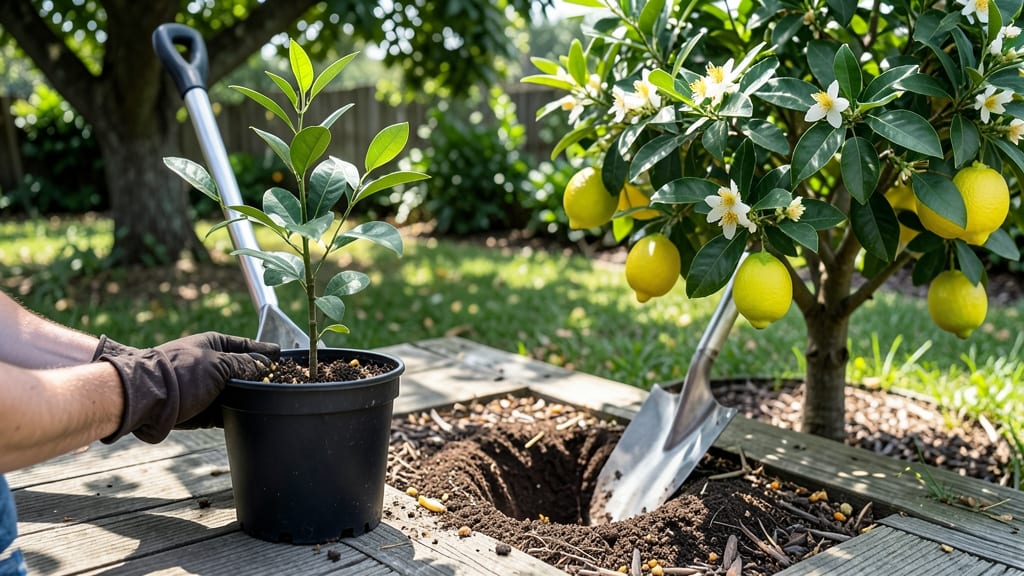
Planting a 🍋 lemon tree in California might seem simple—until you realize getting the timing wrong could mean frost damage or stunted growth. The best time isn’t just about the calendar; it’s about avoiding those chilly inland nights or the scorching inland heat that can stress young roots.
In coastal zones like Los Angeles or San Diego (USDA 10a-11), you can plant year-round with minimal risk. But inland in Sacramento (9a-10a), late winter or early spring is your safest bet—after the last frost threat has passed. The key? Soil temperature matters more than the date on your calendar.
Whether you’re planting bare-root saplings or potted trees, this guide breaks down the exact month-by-month windows for your region. We’ll cover soil prep, frost-free checklists, and how to protect your tree from Santa Ana winds—so you can enjoy homegrown lemons in just a few years.
Skip the guesswork and learn the science-backed timing that keeps your lemon tree thriving, no matter where you are in the Golden State. Let’s get started.
California’s optimal planting windows by hardiness Zone: avoid frost and heat shock
California’s diverse climate means lemon trees can thrive year-round—but timing depends on your USDA hardiness zone and microclimate. Coastal areas like San Diego (Zone 10a-11) have zero frost risk, while inland valleys like Sacramento (Zone 9a-10a) face late-winter frosts.
Planting at the wrong time can expose young roots to cold shock or heat stress, stunting growth.
In coastal California, where temperatures rarely drop below 40°F, you can plant lemon trees year-round. However, the ideal window is late winter to early spring (February–April) to align with natural rainfall and soil warming.
Inland areas should wait until after the last frost (typically mid-March to April) to avoid root damage.
Soil temperature is critical: roots need 60°F+ to establish. Use a soil thermometer to confirm—planting when soil hits 65°F ensures faster root growth. In Zone 9 (e.g., Fresno), aim for March–May; in Zone 11 (e.g., Palm Springs), any month works with shade protection in summer.
🌱Pro Tip: Bare-root lemon trees should be planted when dormant (winter), while potted trees can go in anytime—just adjust watering to match seasonal humidity.
| USDA Zone | Best Planting Window | Soil Temp Threshold | Frost Risk | Microclimate Notes |
|---|---|---|---|---|
| 9a-9b (Sacramento, Bakersfield) | March–April | 60°F+ | High (Dec–Feb) | Wait for last frost; mulch heavily. |
| 10a-10b (Los Angeles, San Diego) | Year-round (best Feb–Apr) | 55°F+ | Low (coastal fog) | Avoid summer heatwaves; use shade cloth. |
| 11 (Palm Springs, Riverside) | Year-round (avoid peak summer) | 65°F+ | None | Water deeply in summer; protect from Santa Ana winds. |
💡Key Insight: Coastal vs. inland differences matter more than months alone. For example, Santa Barbara (Zone 10a) can plant in January, while Fresno (Zone 9a) must wait until April. Check your local frost risk map (via USDA Plant Hardiness) for precision.
For container-grown lemon trees, timing is flexible—just ensure well-draining pots and adequate sunlight. However, transplanting bare-root trees in summer (June–August) risks heat stress, so avoid this window unless using shade cloth.
🌡️Heat Shock Warning: Inland areas like the Central Valley can hit 100°F+ by June. If planting in late spring/summer, provide afternoon shade and daily watering to help roots acclimate. Young trees are most vulnerable during their first 30–60 days after planting.
🌿Soil Prep Matters: Lemon trees hate soggy roots. Amend clay soil with compost and perlite to improve drainage. In sandy soil (common in coastal areas), mix in peat moss to retain moisture. Test your soil’s pH (6.0–7.0)—lemon trees thrive in slightly acidic conditions.
📅Final
Signs your soil and climate are ready for lemon tree planting (beyond just months)
California’s mild climate makes it perfect for lemon trees, but not all regions are equal. Even if the calendar says it’s the right month, your local microclimate could derail your tree’s success.
Before planting, check these 5 key soil and climate indicators to ensure your lemon tree thrives from day one.
First, test your soil temperature—lemons need soil that’s at least 60°F (15°C). Use a soil thermometer 6 inches deep. If it’s cooler, wait a few weeks or plant in containers for better control.
Coastal areas like San Diego often hit this mark by early January, while inland valleys like Sacramento may need to wait until mid-March.
Next, assess your sunlight exposure. Lemon trees demand 6+ hours of direct sun daily, but California’s Santa Ana winds or urban heat islands can create false conditions.
Observe your yard: if nearby plants wilt by noon, your tree will struggle. South-facing spots are ideal, but avoid areas where wind whips around corners—it dries out roots faster.
🌱
- Soil Temperature Check
- Sunlight Audit
- Wind Protection
- Drainage Test
- Humidity Balance
Don’t overlook drainage—lemons hate soggy roots. Dig a 12-inch hole, fill it with water, and time how long it takes to drain. If it sits for hours, amend your soil with sand or perlite to improve airflow.
In containers, ensure pots have drainage holes and use a cactus/succulent mix blended with compost.
Finally, monitor humidity levels. Inland areas like the Central Valley can feel like a desert, while coastal regions stay moist. If your air feels dry, consider drip irrigation or mulching with wood chips to retain moisture.
Grouping your lemon tree with other plants also creates a microclimate that reduces stress.
With these checks complete, you’ll know your lemon tree isn’t just planted at the right month but in the perfect local conditions to flourish. Now it’s time to dig in—literally!
☀️