
Plants
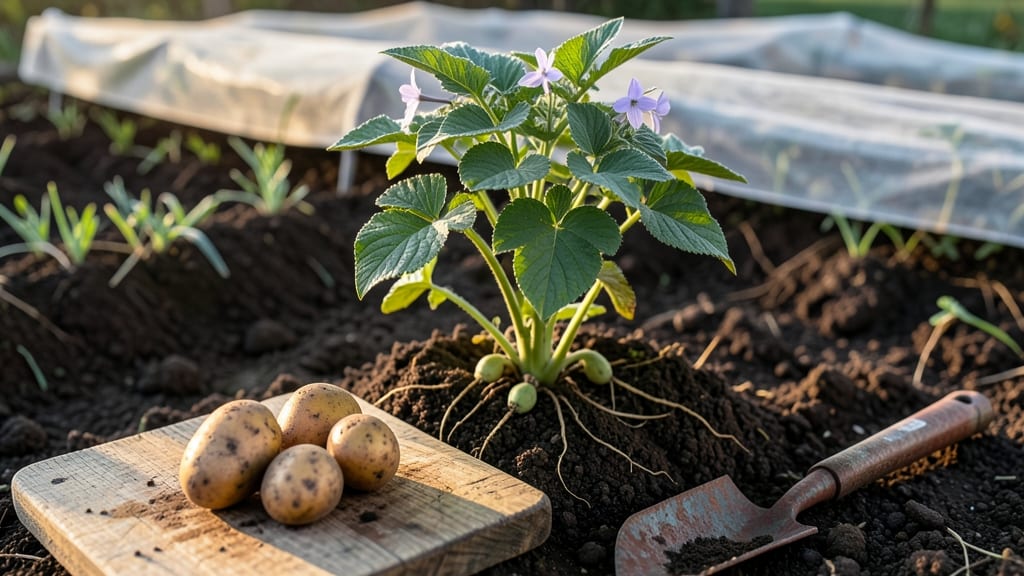
When should you plant potatoes in Michigan? Timing your potato planting can make or break your harvest—especially when unpredictable spring frosts lurk around every corner. Planting too early risks stunted growth from cold soil, while waiting too long cuts your growing season short.
The sweet spot? Mid-April to mid-May, when soil temperatures finally hit that critical 50°F threshold and frost danger fades.
For gardeners in zones 5b-6b, this window aligns with Michigan’s last frost dates, giving your 🥔 plants the 90-120 days they need to mature before fall’s first chill.
But here’s the catch: early varieties like ‘Yukon Gold’ thrive with a shorter season, while late bloomers such as ‘Russet Burbank’ demand warmer soil and more daylight. Get this wrong, and you’ll end up with bitter tubers or worse—no harvest at all.
What if your soil stays stubbornly cold? Don’t panic. I’ll show you how to tweak planting depth, use black plastic mulch, or even opt for a row cover to trick Mother Nature into cooperating.
The goal? Maximizing your yield without betting on perfect weather. Let’s break down the exact steps to nail your planting schedule—and avoid the most common mistakes that waste time and effort.
Ready to dig in? You’ll walk away with a foolproof timeline tailored to Michigan’s climate, plus pro tips for soil prep, spacing, and variety selection. No more guesswork—just a bountiful batch of homegrown potatoes by summer’s end.
Michigan’s frost-free planting window for potatoes: exact dates by region
Michigan’s spring frost dates vary dramatically from southern Detroit to the Upper Peninsula, making precise timing critical for potato success.
The last frost date typically falls between mid-April and early May, but planting too early risks frost damage to emerging sprouts, while waiting too long sacrifices optimal tuber growth before summer heat arrives.
For USDA Zones 5b-6b, aim to plant 4-6 weeks before your last frost date. This window ensures soil temperatures reach at least 45°F (7°C), the minimum for potato sprouts to thrive.
In southern Michigan, this means starting in late March to early April under protection, while northern regions should wait until mid-to-late April.
Here’s how Michigan’s key regions break down for potato planting:
| Region | Last Frost Date | Optimal Planting Window | Soil Temp Goal | Notes |
|---|---|---|---|---|
| Southern Michigan (Detroit, Ann Arbor) | Late April | Late March–Early April (under protection) | 45°F (7°C) | Earliest planting zone; use row covers if frost threatens. |
| Central Michigan (Grand Rapids, Lansing) | Early May | Mid-April–Early May | 45°F (7°C) | Moderate risk of late frosts; monitor forecasts. |
| Northern Michigan (Traverse City, Petoskey) | Mid-May | Late April–Mid-May | 45°F (7°C) | Cooler soils; prioritize early varieties. |
| Upper Peninsula (Marquette, Iron Mountain) | Early June | Mid-May–Early June | 50°F (10°C) | Shortest growing season; stick to early varieties. |
Pro tip: Use black plastic mulch or straw mulch to warm soil faster in cooler regions. This can shave off 1-2 weeks from your planting window by raising soil temperatures by 5-10°F.
For container growing, start seed potatoes indoors 6-8 weeks before your last frost date. Use 5-gallon buckets with drainage holes and transplant outdoors after the last frost, ensuring containers stay consistently moist.
Remember: Daylength matters. Potatoes need 12+ hours of daylight for optimal tuber formation. In Michigan, this typically aligns with late May to early June, so planting too late can stunt yields.
If you’re unsure about your exact last frost date, check the Michigan State University Extension’s frost maps or use a frost-free date calculator tailored to your ZIP code. Local garden centers often have region-specific advice too.
🌱
How to adjust planting time for early vs. late potato varieties in Michigan
Michigan’s short growing season demands smart variety selection—planting the wrong type at the wrong time can leave you with underdeveloped tubers or blight-ridden crops.
Early varieties like ‘Yukon Gold’ (70-80 days to maturity) thrive when planted mid-April to early May, while late bloomers like ‘Russet Burbank’ (100-120 days) need late April to mid-May to avoid fall frost risks. The key? Match your variety to your region’s last frost date and blight-prone summers.
For southern Michigan (Detroit, Ann Arbor), early varieties can even start in late March under frost cloth, but northern areas (Traverse City, Upper Peninsula) should wait until early May. Fingerlings like ‘Adirondack Blue’ (90 days) bridge the gap, offering flexibility for late-April plantings without sacrificing yield.
Pro tip: Use a planting calendar to track soil temps—50°F+ is non-negotiable for sprouting.
Blight is Michigan’s silent harvest killer, especially in humid summers. Late varieties planted too early risk foliar diseases before tubers mature. To mitigate this, space your plantings: start early varieties first, then mid-season, with late varieties last.
This staggered approach ensures you’re harvesting before blight peaks in July-August. For extra protection, opt for resistant varieties like ‘Red LaSoda’ or use copper fungicide sprays every 2 weeks once plants flower.
Container growing is another workaround for short seasons. Use 5-gallon buckets to plant early varieties in late April, moving them to a sunny spot when soil warms. This buys you 2-3 extra weeks of growth before fall frost.
Just ensure containers have drainage holes—waterlogged tubers turn bitter faster than you’d think. For ground plantings, add composted manure at planting to boost early vigor, but avoid fresh manure (it burns roots in cool soil).
Timing isn’t just about dates—it’s about soil conditions. Test your soil’s pH (5.0–6.5 ideal) and organic matter (3–5%) before planting. Sandy soils in northern Michigan? Plant 1 inch deeper and mulch heavily to retain moisture.
Clay-heavy southern soils? Amend with peat moss to improve drainage. The goal? Replicate the loamy, crumbly texture potatoes crave—no matter your region.
Remember: Michigan’s 165 frost-free days are a gift, not a guarantee. Use row covers for early plantings and black plastic mulch to warm soil faster. By aligning your variety, planting date, and soil prep, you’ll turn Michigan’s unpredictable climate into your potato-growing advantage.
Now grab those seed potatoes—the clock’s ticking!