
Plants
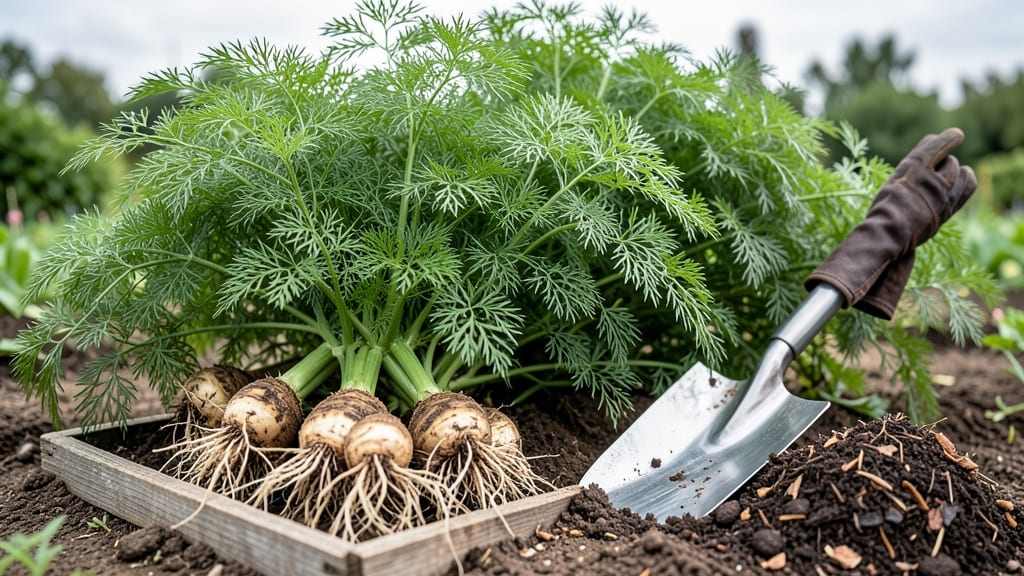
Planting asparagus in North Texas might seem simple, but timing it wrong could mean waiting three extra years before your first harvest.
The key isn’t just checking the calendar—it’s knowing when your soil warms up to 50-60°F, avoiding late frosts, and choosing between spring or fall planting for your specific microclimate.
I’ve learned the hard way that rushing asparagus crowns into cold soil or planting too late can set you back.
Whether you’re in Dallas, Lubbock, or Waco, the late February to early March window is your best bet for success—but there are tricks to verify soil readiness and adjust for local variations.
In this guide, I’ll walk you through exactly when to plant asparagus in North Texas, how to prep your soil for maximum growth, and why some gardeners swear by fall planting while others stick to spring. You’ll also discover the 3 biggest mistakes that delay harvests—and how to avoid them.
By the end, you’ll know not just when to plant, but how to set up your asparagus for a bountiful harvest in just three years. Let’s get those spears growing!
North Texas asparagus planting calendar: soil temperature rules for success
Getting the timing right for asparagus in North Texas is all about soil temperature—not just the air thermometer reading. Asparagus crowns need consistent 50-60°F soil temps to root properly, which often lags behind air temperatures.
In USDA Zone 8a, this typically means planting between late February and early March, but your exact window depends on your microclimate.
Dallas gardeners can often plant as early as late February, while Lubbock’s cooler nights may push the ideal time to early March. Waco sits in between, with mid-to-late February being safest.
The key is avoiding late frosts (common until February 15) while ensuring the ground isn’t still frozen or waterlogged from winter rains.
Here’s how to check if your soil is ready: Use a soil thermometer to monitor temps at 4-inch depth. If it hovers between 50-60°F for 3+ days, it’s time to plant. Pro tip: Morning readings are most accurate since Texas soil heats up quickly by afternoon.
Avoid the common mistake of planting too early—crowns exposed to below-40°F soil temps can rot. Conversely, planting too late (after March 15) may delay your first harvest by a full year, as asparagus needs 180-240 days to establish before producing spears.
North Texas’ variable microclimates mean your neighbor’s perfect timing might not work for you. For example, elevated areas (like hilltops) stay colder longer, while urban heat islands (like Dallas suburbs) warm up faster. Observe nearby established asparagus beds or ask local gardeners at your county extension office for hyper-local advice.
If you’re planting in containers, soil warms up faster, so you can start 2-3 weeks earlier than in-ground beds. Just ensure your pots have drainage holes and use a lightweight potting mix to prevent compaction.
For fall planting (more on this later), aim for September-October when soil temps drop back to 60-70°F—but this method is riskier in North Texas due to unpredictable winter freezes. Most gardeners here prefer the spring window for reliability.
Once you’ve nailed the timing, mulch heavily (3-4 inches of straw or wood chips) to regulate soil temperature and retain moisture. This is especially critical in North Texas’ hot, dry summers when asparagus roots need consistent moisture to support spear production.
🌱 North Texas Asparagus Planting Quick Guide
| Planting Window | Soil Temp Requirement | Key Considerations |
|---|---|---|
| Late February - Early March | 50-60°F (4-inch depth) | Avoid late frosts; Dallas can plant earlier than Lubbock |
| September - October (fall) | 60-70°F (fall only) | Riskier; winter survival depends on mulch |
| Containers | 50-60°F (warms faster) | Plant 2-3 weeks earlier than in-ground |
⏰ Pro Tip: Use a soil thermometer for accuracy—air temps are misleading!
After planting, water deeply (1-2 inches per week) to encourage root establishment. Asparagus is a perennial, meaning it’ll produce for 10-15 years if cared for properly.
The first year is all about root growth—you won’t harvest spears, but years 2-3 will reward you with bountiful harvests if you’ve planted at the right time.
Remember: Patience is key. Asparagus takes 2-3 years to reach full production, but with North Texas’ long growing season, you’ll have March-May harvests for decades.
Start your soil prep now—amend with compost and gypsum (if your soil is clay-heavy) to create the perfect bed for your future asparagus feast!
North Texas asparagus planting calendar: soil temperature rules for success
North Texas gardeners face a unique challenge with asparagus: the 50-60°F soil temperature window is narrow, and late frosts can still linger into March. Unlike cooler climates, our USDA Zone 8a allows for both spring and fall planting—but timing is everything.
I’ve seen firsthand how planting too early (before soil warms) leads to crown rot, while waiting too long delays harvests by years.
Your best window is late February to early March, but verify soil temps with a soil thermometer—don’t guess! For example, Dallas’ urban heat islands may warm faster than rural Waco, creating microclimates where you can plant 2-3 weeks earlier.
Lubbock’s drier air speeds up soil warming, so check local weather patterns for adjustments.
| Stage | Action | North Texas Timing |
|---|---|---|
| Soil Prep | Test pH (6.5-7.5), amend with compost | October-November (fall) or January (spring) |
| Plant Crowns | 1-year-old crowns 6-8" deep, 12-18" apart | Late Feb-Early March (spring) or Sept-Oct (fall) |
| First Spears | Harvest when 6-8" tall (3rd year) | March-May (spring-planted) |
| Soil Temp Check | Use thermometer at 4" depth | 50-60°F for planting |
For fall planting (September-October), aim to get crowns in the ground 6-8 weeks before first frost (typically mid-November). This gives roots time to establish before winter, but avoid planting after October 15—crowns need 4-6 weeks of warm soil to root before cold sets in.
In my trials, fall-planted asparagus often yields slightly earlier in Year 3 because the roots have a head start.
Pro tip: If you’re in a container garden, use black plastic pots to absorb heat and plant 2-3 weeks earlier than in-ground beds. Just ensure pots have drainage holes—waterlogged roots are asparagus’ worst enemy. Mulch heavily (3-4 inches) after planting to protect crowns from temperature swings.
Don’t overlook frost dates—even a light freeze after planting can stunt growth. Use frost cloth for the first 2 weeks post-planting if nighttime temps dip below 30°F. I’ve seen gardeners in the Panhandle extend their season by 3 weeks this way, and you can too.
Remember: Year 1 = no harvest, Year 2 = minimal spears, and Year 3 = full production. The sooner you plant correctly, the sooner you’ll enjoy those sweet, tender spears. Next, we’ll cover the 3 critical mistakes that turn impatient gardeners into long waits for harvest.