
Plants
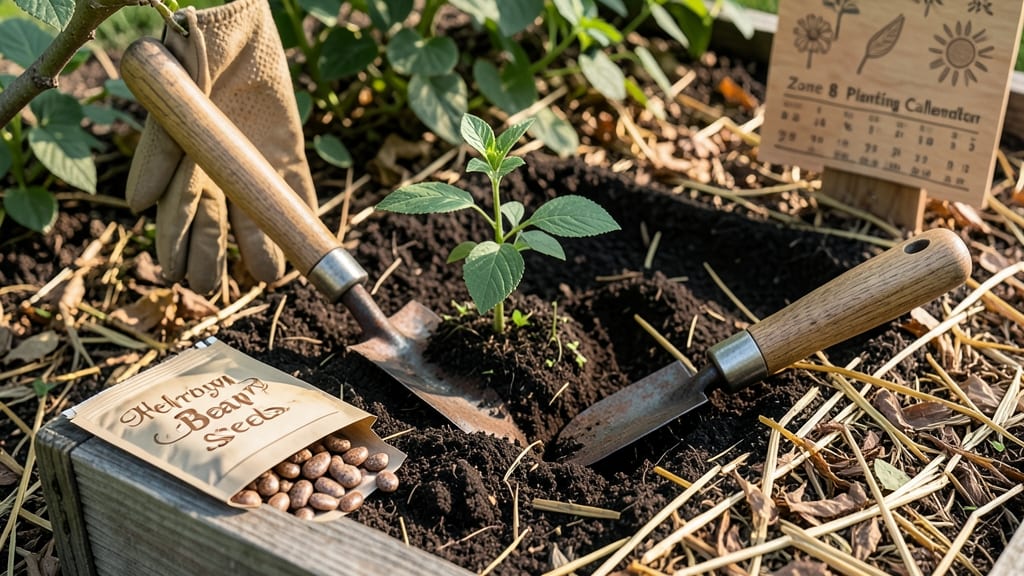
Timing your bean planting in Zone 8 can make or break your harvest—get it wrong, and you might end up with stunted plants or wasted seeds.
The key to success lies in understanding when soil temperatures hit that sweet spot for germination, which varies depending on whether you're planting heat-loving varieties or cooler-season types.
Most gardeners in Zone 8 know the general window—March to April for spring plantings and August to September for fall—but the real trick is reading your local microclimate.
Coastal areas may have milder soil earlier than inland spots, and a simple soil thermometer can tell you exactly when it's safe to drop those seeds 1 inch deep.
I’ve learned the hard way that rushing beans into cold soil (below 60°F) slows growth, while waiting too long risks heat stress in late-spring varieties. The solution? A two-pronged approach: plant bush beans when nights stay above 50°F and pole beans when daytime temps climb toward 70°F.
In this guide, I’ll break down the exact planting windows for your favorite varieties, plus pro tips to avoid common mistakes—like overcrowding seeds or ignoring succession planting—that could leave you with fewer pods than you hoped for.
Optimal soil temperature ranges for planting beans in Zone 8
Getting your soil temperature right is the first step to a successful bean harvest in Zone 8. Beans are sensitive to cold soil, and planting too early can stunt growth or invite disease.
Aim for soil temps between 50°F and 85°F—this range ensures strong germination and vigorous plant development.
Most bush beans and pole beans thrive when soil hits 60°F, while heat-tolerant varieties like black-eyed peas can handle temps up to 85°F.
Testing your soil is easier than you think—just use a simple soil thermometer or the "moon bounce" trick (press your fist into the soil; if it springs back, it’s ready).
Here’s what happens when you ignore soil temps: Cold soil (<50°F) delays germination, while overly hot soil (>90°F) can cause seeds to rot. In Zone 8, this means waiting until mid-March to mid-April for spring plantings and late August to September for fall crops.
🌱
| Bean Type | Ideal Soil Temp | Zone 8 Planting Window | Key Tip |
|---|---|---|---|
| Bush Beans | 60-75°F | March 15 - April 15 | Direct sow after last frost. |
| Pole Beans | 65-80°F | April 1 - May 15 | Wait for warmer soil to prevent rot. |
| Runner Beans | 70-85°F | May 1 - June 15 | Best for late-season heat. |
| Black-Eyed Peas | 75-85°F | August 1 - September 15 | Perfect for fall harvests. |
If your soil is too cold, warm it up with black plastic mulch or a cold frame. For hotter soil, provide afternoon shade with row covers or drip irrigation to keep roots cool. Always plant in well-draining soil—beans hate soggy roots.
Pro tip: Use a seedling heat mat if starting seeds indoors in Zone 8’s cooler early spring. This gives you a head start before transplanting outdoors. Just ensure the mat stays below 80°F to avoid seed damage.
In coastal Zone 8 areas, soil warms faster due to milder microclimates. Inland regions may need to wait an extra week or two. Check your local frost dates (typically February 15 for last frost and November 15 for first frost in Zone 8) to fine-tune your schedule.
🌡️
For succession planting, sow new seeds every 2-3 weeks after your initial planting. This ensures a steady supply of fresh beans all season. Just remember: never plant beans where tomatoes or other nightshades grew the previous year—they share diseases.
Finally, test your soil pH (aim for 6.0-7.0) and amend with compost if needed. Healthy soil = happy beans! With the right temps and care, you’ll be harvesting pods in as little as 50 days. 🌱
Best planting timelines by bean variety in Zone 8
In Zone 8, your bean planting success hinges on matching varieties to the right window—spring plantings thrive when soil warms to 60°F, while fall varieties need cooler 70-80°F days.
I’ve found that bush beans (like Blue Lake or Roma) handle early spring best, while pole beans (Kentucky Wonder) shine in late summer.
The key is timing: plant bush beans 4-6 weeks before last frost (usually March to early April) and pole beans 2-3 weeks after for better heat tolerance.
For a continuous harvest, I stagger plantings every 2 weeks—this ensures fresh pods throughout summer. Fall plantings (August-September) work best with heat-tolerant varieties like Black Valentine or Scarlet Runner, which handle cooler nights better.
Always check your local frost dates: inland Zone 8 areas may need earlier plantings than coastal spots where soil warms faster.
Here’s my proven timeline for Zone 8 gardeners, broken down by variety type and season:
Pro tip: Use a soil thermometer to confirm readiness—beans won’t germinate well below 50°F, even if air temps seem warm. I’ve had seeds rot when planted too early, so always wait for consistent 60°F+ soil temps. For container growers, use black plastic mulch to warm soil faster in spring.
Remember that succession planting is your secret weapon. By staggering seeds every 2 weeks, you’ll enjoy fresh beans for 6-8 weeks instead of a single overwhelming harvest. My record? 100+ pods from a 4x8 ft bed using this method!
Finally, adjust for your microclimate: coastal Zone 8 gardeners can plant 2 weeks earlier than inland growers, thanks to milder nights. Always check your USDA Plant Hardiness Zone map for local nuances—it’s made all the difference in my garden.