
Plants
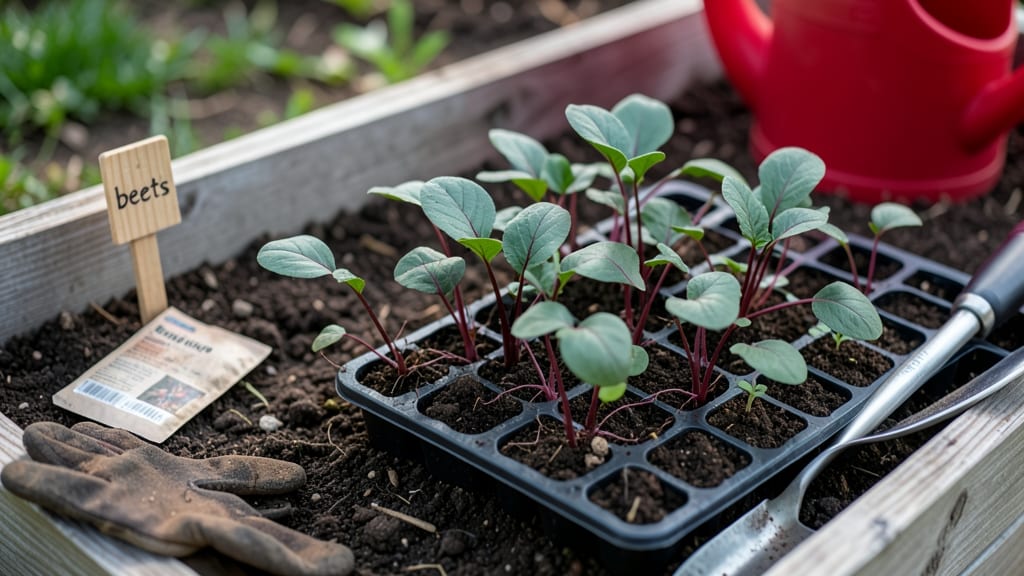
Planting beets in Indiana isn't just about timing—it's about unlocking a harvest of sweet, tender 🍠 roots in as little as 50 days. The key lies in understanding your local frost dates and soil conditions, which can make the difference between a thriving garden and wasted effort.
Most gardeners in Indiana's 5b-6a zones know that early spring and late summer are the prime windows, but getting the exact timing right is what separates a good harvest from a great one.
With the right approach, you can enjoy fresh beets from May through October without the stress of bolting or pests.
I've learned the hard way that planting too early risks frost damage, while waiting too long can lead to tough, woody roots. The solution? A strategic schedule that aligns with Indiana's climate quirks—like starting seeds indoors in February for early spring plantings or sowing directly in July for fall harvests.
Let me show you exactly when to plant, how to prepare your soil, and the simple tricks to keep your beets growing fast and flavorful all season long. Ready to transform your garden into a beet bonanza?
Indiana beet planting calendar: best months by microclimate zone
Indiana’s USDA Zones 5b-6a offer two prime windows for planting beets: early spring and late summer. The key is timing seeds when soil temperatures hit 45°F-50°F for germination, while avoiding late frosts (32°F) that can damage seedlings.
In northern Indiana, aim for late March to early April, while southern regions can start as early as mid-February under protection.
Beets thrive in cool weather but bolt (go to seed) when temperatures exceed 75°F. For summer plantings, focus on July-August to harvest before fall temperatures rise.
Fall plantings in September work if you’re in southern Indiana, but northern gardeners should stick to early spring or late summer to avoid winter frosts.
Here’s your Indiana-specific beet planting calendar, broken down by microclimate zone and frost thresholds:
| Planting Window | USDA Zone | Soil Temp | Frost Risk | Best Varieties |
|---|---|---|---|---|
| Early Spring (March-April) | 5b-6a (All Indiana) | 45°F-50°F | Low (after last frost) | Detroit Dark Red, Chioggia |
| Late Summer (July-August) | 5b-6a (All Indiana) | 55°F-65°F | None (harvest before frost) | Babybeat, Golden |
| Fall (September) | 6a (Southern IN) | 50°F-60°F | Moderate (cover with row fabric) | Detroit Dark Red |
🌱 Pro Tip: Use a soil thermometer to confirm temps before planting.
For northern Indiana (e.g., Fort Wayne, Gary), prioritize March 15-April 15 for spring plantings. Southern Indiana (e.g., Evansville, Louisville) can start as early as February 20 under row covers or in a cold frame.
Always check your local last frost date—Indiana’s ranges from mid-April in the north to early April in the south.
Beets planted in late summer (July-August) will mature before fall temperatures drop. Aim to harvest by October 1 in northern Indiana or October 15 in the south. Use shade cloth (30-50%) if summer temps exceed 80°F to prevent bolting.
In fall plantings, only southern Indiana gardeners should attempt September sowings. Use black plastic mulch to warm soil and extend the season. Cover seedlings with frost blankets if nighttime temps dip below 40°F.
Always pre-soak beet seeds for 24 hours before planting—they germinate best when hydrated. Plant seeds ½ inch deep and 1-2 inches apart, then thin to 3-4 inches once seedlings emerge. This spacing prevents overcrowding and ensures sweet, tender roots.
Indiana’s variable spring weather means flexibility is key. If a late frost threatens, protect seedlings with cloches or row covers until temperatures stabilize. For fastest harvests, start seeds indoors 4-6 weeks before the last frost and transplant seedlings when soil is workable.
Remember: Beets are cold-hardy but heat-sensitive. The goal is to harvest before summer’s peak heat or winter’s first frost. With the right timing, you can enjoy homegrown beets from May through October—just in time for salads, soups, and roasted sides!
How to avoid common beet planting mistakes in Indiana’s climate
Indiana’s unpredictable spring frosts and summer heat waves can turn beet gardening into a gamble if you’re not prepared. I’ve seen firsthand how a single late frost or scorching afternoon can ruin weeks of effort, so let’s tackle the most common pitfalls—and how to sidestep them.
First, bolting is the arch-nemesis of beet growers here. Beets bolt when stressed by heat or drought, sending up flower stalks that make the roots tough and bitter. In Indiana’s USDA Zone 6a, this often happens in late June or July when temperatures climb above 80°F.
The fix? Plant heat-tolerant varieties like Detroit Dark Red and use shade cloth (30-50%) during peak afternoon sun.
Another headache is poor germination from crusty soil. Indiana’s clay-heavy soils can seal seeds in, trapping moisture and blocking sprouts. To prevent this, loosen soil to 6 inches deep before planting and apply a light mulch (straw or grass clippings) after sowing.
I’ve also had success with a seed starter mix in raised beds for better drainage.
⚠️ Indiana-Specific Warning:
Leaf miners and aphids are year-round pests here, but they explode in late summer. These insects burrow into leaves, causing wilting and stunted growth. My go-to solution? Neem oil spray every 10 days starting in June, and companion plant with onions or garlic to repel them naturally.
Pro Tip: Check undersides of leaves weekly for early signs of infestation.
Timing your succession plantings is another critical step. Many gardeners make the mistake of planting all their beets at once, leading to a glut of harvests followed by a lull. Instead, sow seeds every 2-3 weeks from March through July for a steady supply.
For fall crops, your last planting should go in by mid-August to ensure roots mature before the first frost (mid-October).
Finally, overcrowding is a silent harvest killer. Beets need space to grow—thinning seedlings to 3-4 inches apart ensures they don’t compete for nutrients. I’ve learned the hard way that skipping this step leads to small, misshapen roots and increased disease risk.
Use a hand trowel for precision when thinning, and harvest the thinned seedlings for baby beets!
By avoiding these common mistakes, you’ll transform your Indiana garden into a beet-growing powerhouse with minimal stress. The key is proactive care—stay ahead of pests, monitor soil moisture, and adjust your schedule for the weather. Your taste buds (and your dinner table) will thank you!