
Plants
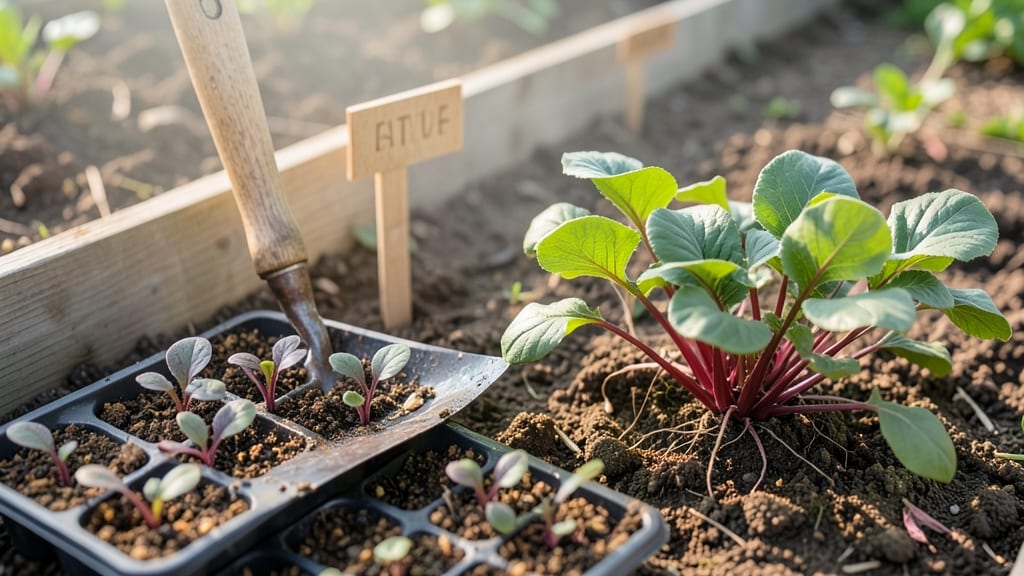
Planting beets in the fall isn't just about timing—it's about unlocking sweeter, more tender roots that thrive in cooler weather. The key to success? Getting them in the ground 4-6 weeks before your first frost, when soil temps are still warm enough to encourage steady growth.
I’ve learned that skipping this window means risking bitter harvests or plants that bolt too quickly. But when you nail the timing—especially in USDA Zone 6a—you’ll enjoy fresh, vibrant 🍠 beets well into winter.
Let me show you exactly how to calculate your perfect planting date and avoid common mistakes.
Fall beets also have a secret advantage: fewer pests and diseases compared to spring plantings. With the right soil prep and spacing, you can extend your harvest for weeks. Ready to grow beets that outperform spring crops? Here’s your step-by-step guide to fall planting success.
We’ll cover everything from soil temperature checks to succession planting tricks that keep your garden productive. Whether you’re a beginner or a seasoned gardener, these insights will help you grow beets that taste better than store-bought—and last longer too.
Optimal fall planting timeline: 4-6 weeks before first frost explained
Timing your fall beet planting correctly ensures sweet, tender roots instead of bitter, woody harvests. The golden window is 4-6 weeks before your first frost date, but this varies dramatically by region.
For example, in USDA Zone 5, that might mean sowing in early September, while in Zone 9, you could plant as late as November.
Beets need 45-70 days to mature, so your goal is to harvest before hard frosts damage the foliage.
If you plant too early, they’ll bolt in the heat; too late, and they won’t reach full size. Local frost charts from your cooperative extension office are your best friend here—always adjust based on your microclimate.
For high-altitude gardens (above 5,000 feet), subtract 2-3 weeks from your frost date since cold air settles faster. In short-season climates (like Alaska or the Dakotas), opt for fast-maturing varieties (30-40 days) to squeeze in a harvest before winter.
| USDA Zone | First Frost Date | Planting Window | Notes |
|---|---|---|---|
| 3-4 | Late August–early September | Mid-July to early August | Use cold-hardy varieties; may need row covers |
| 5-6 | Mid-October | Late August to early September | Ideal for succession planting every 3 weeks |
| 7-8 | Late November–early December | September to early October | Can extend harvest with cold frames |
| 9-10 | Mid-December | October to November | Plant near winter squash for pest control |
Soil temperature is just as critical as air temperature. Beets grow best in soil between 40°F and 85°F. If your soil drops below 40°F, germination slows dramatically. Use a soil thermometer to confirm—plant only when temps consistently stay above 50°F during the day.
In containers or raised beds, warmth dissipates faster, so add a black plastic mulch to keep roots cozy. I’ve had success with heat-absorbing landscape fabric in Zone 6, extending my planting window by 10 days. Just remove it once seeds sprout to avoid overheating.
Pro tip: Mark your calendar for two planting dates—one 6 weeks before frost (for early harvests) and another 4 weeks before (for late-season beets). This gives you a 6-week harvest window with minimal effort.
Pair faster varieties (like ‘Detroit Dark Red’) with slower ones (like ‘Chioggia’) for a staggered bounty.
Never plant beets when nighttime temps drop below 45°F—they’ll bolt or develop tough fibers. If your forecast shows a cold snap, delay planting until stable warmth returns. Patience here pays off with sweeter, more tender roots come harvest time.
Optimal fall planting timeline: 4-6 weeks before first frost explained
Timing your fall beet planting correctly ensures sweet, tender roots before winter sets in. The 4-6 week window before your first frost date is your target—this gives beets enough time to mature without bolting or becoming woody.
For example, in USDA Zone 6a, where my garden thrives, I aim for mid-August plantings to harvest by late October.
To calculate your exact window, check your local average first frost date (find it via the USDA Plant Hardiness Zone Map). Subtract 4-6 weeks—this is your last planting deadline. For instance, if frost hits October 15, plant between August 21 and September 15.
Adjust for high-altitude gardens (like mine at 5,000 feet), where frost comes earlier—plant 6-8 weeks before your date.
Soil temperature is just as critical as frost dates. Beets need soil at least 40°F (4°C) to germinate well. Use a soil thermometer to confirm—cold soil delays sprouting and weakens seedlings. In cooler climates (Zones 3-5), wait until soil warms to 50°F (10°C) for reliable germination.
| USDA Zone | Planting Window | Soil Temp Requirement | Harvest Timeline |
|---|---|---|---|
| Zones 3-5 | Late July to early August | ≥50°F (10°C) | October to November |
| Zones 6-8 | Mid-August to early September | ≥40°F (4°C) | September to December |
| Zones 9-10 | September to early October | ≥45°F (7°C) | October to January |
*Adjust for high-altitude gardens by planting 1-2 weeks earlier.
Short-season climates (Zones 3-5) need a fast-maturing variety like 'Detroit Dark Red' (58 days) to reach harvest before frost. In warmer zones (Zones 9-10), you can push plantings later—even into early October—for winter harvests.
Always test your soil’s pH (6.0-7.0 ideal) and amend with compost to improve drainage, which prevents woody roots.
Pro tip: Mark your calendar with 3 planting dates spaced 3 weeks apart to stagger harvests. This ensures a continuous supply of fresh beets while avoiding a single overwhelming harvest.
For example, my first planting in late August yields beets by October, while the last batch in early September harvests in November—just before hard frost.
Don’t forget to harden off seedlings if starting indoors. Acclimate them to outdoor conditions for 7-10 days before transplanting to prevent shock. This simple step boosts survival rates in cooler fall soils.