
Plants
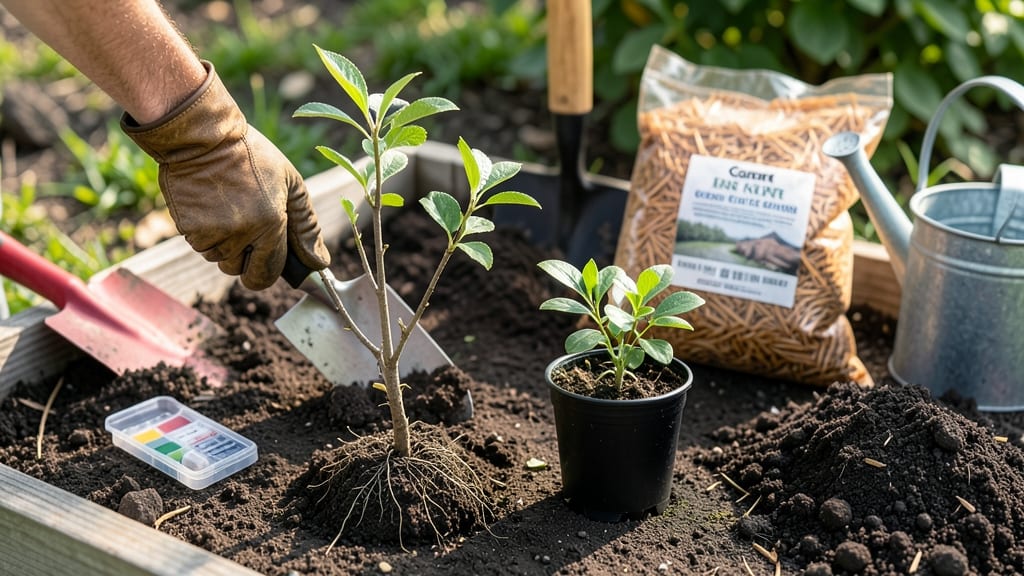
Planting blueberries in Mississippi isn’t just about timing—it’s about surviving the heat while meeting their chill-hour needs. With Zone 7b-9a summers stretching long and hot, getting the timing wrong can leave your 🫐 bushes struggling or even failing to fruit.
But when you nail the window, you’re setting up years of sweet harvests—no guesswork required.
The key is planting after the last frost but before the soil bakes, typically in late winter to early spring (February–March). Southern highbush varieties thrive in Mississippi’s warmth, while rabbiteye types need those critical chill hours.
I’ll break down exactly when to plant based on your region’s microclimate, so you can avoid the common pitfalls that trip up even experienced gardeners.
You’ll also discover how to prep your soil for acidic-loving blueberries and protect young plants from late frosts or summer droughts. Whether you’re a first-timer or a seasoned gardener, these actionable steps will help you grow healthier bushes that produce bigger, sweeter berries year after year.
Ready to turn your Mississippi backyard into a blueberry paradise? Let’s dive into the exact planting schedule—and the secrets to keeping your bushes happy in the Deep South’s toughest growing conditions.
Mississippi’s best planting months for blueberries based on chill-hours
Blueberries thrive in Mississippi’s climate, but timing your planting is everything. The state’s USDA Zones 7b-9a mean you’ll need to balance chill-hour requirements (300-900 hours) with heat tolerance.
Plant too early, and late frosts can damage tender roots; too late, and your bushes may struggle to establish before summer’s brutal heat. Let’s break down the best windows for southern highbush, rabbiteye, and native varieties to maximize your harvest.
Mississippi’s last average frost date hovers around March 15, but microclimates in the Delta or along the Gulf Coast can push this back to April 1. For northern Mississippi (Zones 7b-8a), aim for late February to early March—this gives plants 8-10 weeks to root before summer.
In southern regions (Zones 8b-9a), March to early April is ideal, as the risk of frost drops significantly. Container-grown blueberries offer more flexibility and can be planted throughout spring (until May), but bare-root plants need cooler soil.
Here’s the critical factor: chill-hours. Southern highbush varieties (e.g., ‘Powderblue’) need 300-400 chill-hours, while rabbiteye types (e.g., ‘Tifblue’) thrive with 500-900 chill-hours. Mississippi’s winters rarely provide enough chill for northern varieties like ‘Duke,’ so stick to heat-tolerant, low-chill cultivars.
If you’re in Zone 9a, focus on rabbiteye blueberries, which handle the state’s long, hot summers better than highbush types.
🌱
Fall planting is another option, but it’s riskier in Mississippi. If you choose this route, plant 6-8 weeks before your first frost (typically October to early November). This gives roots time to establish before winter, but young plants may still struggle with freeze-thaw cycles common in northern Mississippi.
For container-grown blueberries, fall planting can work in Zone 9a, where frosts are rare.
Pro tip: Check the Mississippi State Extension’s frost maps for your specific county. Their data accounts for microclimates like river valleys or urban heat islands, which can shift frost dates by 1-2 weeks.
For example, Jackson (Zone 8a) might see its last frost on March 22, while Biloxi (Zone 9a) rarely drops below freezing after February 15.
Once you’ve nailed your planting window, prioritize soil preparation. Blueberries demand acidic soil (pH 4.5-5.5), which is rare in Mississippi’s naturally alkaline clay. Test your soil in late winter and amend with sulfur or peat moss 2-3 months before planting.
This ensures your soil is ready when you’re ready to plant, avoiding delays that could stress your bushes.
🌡️
Remember: container planting extends your window. If you’re in Zone 9a and want to plant in May, use 15-gallon pots with acidic potting mix. Containers also let you move plants to shadier spots during peak summer heat (100°F+ temperatures can scorch leaves).
Just ensure pots have drainage holes—blueberries hate soggy roots.
Finally, protect your young plants with frost cloth if late frosts threaten. In northern Mississippi, a lightweight row cover can save your bushes until April 15. In southern regions, focus on shade cloth (30-50%) to shield plants from intense afternoon sun during their first summer.
With the right timing and care, your blueberries will reward you with juicy, homegrown berries by late spring.
Mississippi’s best planting months for blueberries based on chill-hours
Mississippi’s climate—with its hot summers and variable winters—demands precise timing for blueberry planting. Most varieties need 300-900 chill hours (below 45°F) to flower properly. In USDA Zones 7b-9a, this means planting in late winter or early spring to align with dormancy breaks.
For bare-root plants, aim for February through early March—just as buds begin to swell. Container-grown blueberries can go in slightly later, up to April, since their roots aren’t as sensitive to cold. Fall planting is risky in Mississippi due to unpredictable freezes, but if you must, do it in October or November with heavy mulch protection.
Mississippi’s North vs. South divide matters: Northern regions (e.g., Zone 7b) can handle higher-chill varieties like ‘Climax’ (900+ hours), while Southern areas (e.g., Zone 8a-9a) thrive with low-chill types like ‘Tifblue’ (300-500 hours). Check your last frost date (typically mid-March) to avoid planting too early.
📋 Blueberry Planting Timeline for Mississippi
| Variety Type | Chill-Hour Needs | Best Planting Window | Mississippi Regions |
|---|---|---|---|
| Southern Highbush | 300-500 hours | March-April (bare-root) or April-May (container) | Zones 8a-9a (South) |
| Rabbiteye (e.g., Tifblue) | 500-700 hours | February-March (bare-root) | Zones 7b-8b (North-Central) |
| Northern Highbush (e.g., Climax) | 900+ hours | Late February (bare-root only) | Zone 7b (North) |
Pro tip: Acclimate container-grown plants for 1-2 weeks before transplanting by placing them in partial shade outdoors. This hardens roots and reduces transplant shock—a critical step in Mississippi’s humid summers, where stress weakens bushes.
Mississippi’s extended growing season (215 frost-free days) means blueberries planted in March or April will establish roots before summer heat peaks. Avoid planting in May or later, as young plants may struggle with heat stress and limited root development before winter.
For container gardening, you can extend your window to late spring (May), but ensure pots have drainage holes and use acidic potting mix (pH 4.5-5.5). Containers also let you move plants to shadier spots during peak summer heat—ideal for Zone 9a areas like the Mississippi Delta.