Plants
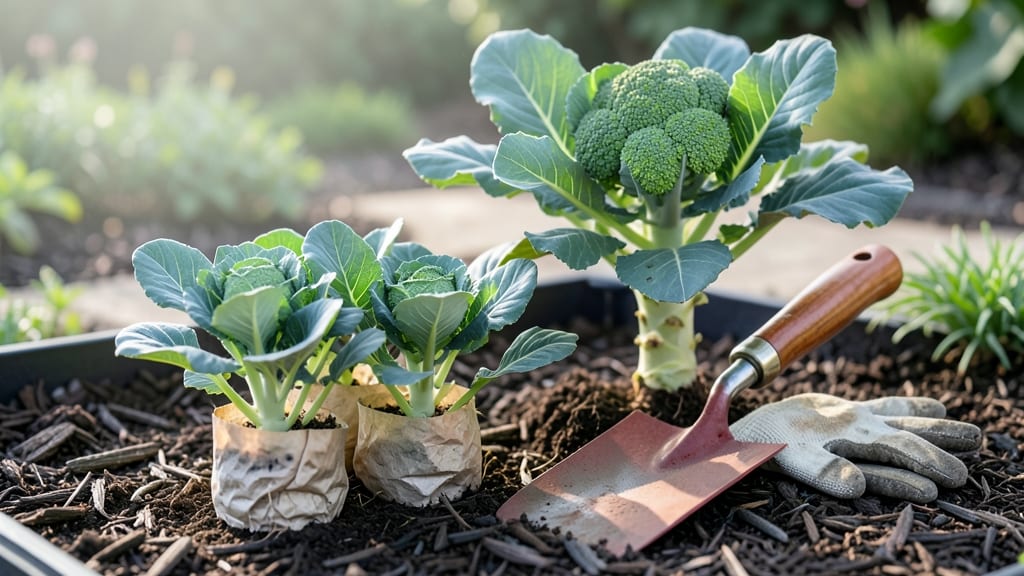
Planting broccoli 🥦 in Massachusetts isn't just about throwing seeds in the dirt—it's about outsmarting the climate to get a bountiful harvest. Whether you're in Boston or the Cape, timing matters because a late frost can turn your hard work into a sad, wilted mess.
Most gardeners here know the drill: spring and fall are your best bets, but getting the exact window right means the difference between a thriving garden and a disappointing one. I’ve grown broccoli in 5b-6b zones for years, and I’ll share the precise planting schedule that actually works—no guesswork.
You’ll learn when to start seeds indoors, how to time outdoor planting for zero frost surprises, and even how to stretch your growing season with simple tricks. By the end, you’ll know exactly when to plant for crisp, homegrown broccoli that tastes better than anything from the store.
The secret? It’s all about reading your local frost dates and adjusting for Massachusetts’ unpredictable weather. Let’s get your broccoli growing like a pro—no more wasted seeds or missed harvests.
Massachusetts broccoli planting calendar by hardiness zones (5-7)
Massachusetts spans USDA zones 5b-7a, and broccoli thrives in these cooler climates when planted at the right time. The key is avoiding late spring frosts (common until mid-April) and planning for fall harvests before early October frosts.
I’ve broken down the perfect planting windows for spring and fall crops across Boston, Worcester, and Cape Cod regions.
For spring planting, aim to sow seeds or transplants 4-6 weeks before your last frost date. In most of Massachusetts, this means mid-April to late May. Fall planting should happen 3 months before the first frost, typically late July to early August.
Soil temperatures below 40°F (4°C) will stunt germination, so wait until the ground warms up.
Here’s a quick reference for your region:
| Region | Last Frost Date | Spring Planting Window | Fall Planting Window | Soil Temp for Germination |
|---|---|---|---|---|
| Boston (Zone 6b) | Mid-April | Late April–May 15 | Late July–August 1 | 45–50°F (7–10°C) |
| Worcester (Zone 5b) | Early May | Late April–May 10 | Late July–July 31 | 40–45°F (4–7°C) |
| Cape Cod (Zone 6a-7a) | Late April | Early May–June 1 | Late July–August 10 | 45–50°F (7–10°C) |
Pro tip: Use transplants instead of seeds for spring planting to jumpstart growth. Start seeds indoors 6-8 weeks before your last frost for an earlier harvest. For fall crops, direct-sow seeds 2-3 weeks before your target transplant date to harden them off naturally.
Broccoli needs consistent moisture during head formation, so plan your watering schedule around 1-1.5 inches per week. Mulch with straw or shredded leaves to retain soil moisture and regulate temperature. In Zone 5b areas like Worcester, a light row cover can protect young plants from unexpected late frosts.
Harvest time varies by variety, but most Massachusetts-grown broccoli is ready 50-80 days after transplanting. Spring-planted broccoli typically matures by late July to August, while fall crops are ready by October.
Watch for tight, compact heads and harvest before yellow flowers appear to keep the flavor crisp and sweet.
If you’re new to broccoli growing, start with fast-maturing varieties like 'Calabrese' or 'De Cicco' for reliable harvests. These varieties handle Massachusetts’ cool nights and variable weather better than slower-growing types. Pair your broccoli with companion plants like dill or onions to deter pests and improve flavor.
Remember: Soil prep is key. Test your soil’s pH (aim for 6.0-7.0) and amend with compost or aged manure before planting. Well-draining soil prevents rot, especially in Massachusetts’ clay-heavy soils. Add a 2-inch layer of compost to the top 6 inches of soil for best results.
🌱
How to extend your broccoli growing season in Massachusetts
Massachusetts’ unpredictable climate—with sudden frost warnings and chilly nights—can make growing broccoli a challenge. But with the right strategies, you can extend your harvest window and protect tender plants from early or late frost. The key is understanding how to buffer temperature swings while maintaining healthy growth.
One of my favorite tricks is using floating row covers (lightweight fabric) to shield young seedlings from unexpected cold snaps. These covers raise soil temperatures by 3-8°F, giving your broccoli a fighting chance even when nighttime temps dip below 40°F.
For even more protection, pair row covers with black plastic mulch—this combo can delay frost damage by 2-3 weeks in early spring or late fall.
🌱
🔹 Numbered Highlights: Extend Your Broccoli Season
- 📅 Plant in Successive Waves: Start with hardy varieties 4-6 weeks before your last frost date, then follow with fast-maturing types every 2 weeks for a staggered harvest.
- 🛡️ Use Cold Frames: Build or buy a low tunnel to create a microclimate. Soil temps inside can stay 10-15°F warmer than outdoors, perfect for fall crops.
- 🌡️ Harden Off Seedlings: Gradually expose young plants to cool nights (35-40°F) for 1-2 weeks before transplanting to prevent shock.
- 💧 Water Strategically: Keep soil consistently moist but avoid soggy conditions. Mulch with straw or shredded leaves to insulate roots and retain moisture.
- 🌿 Choose Frost-Tolerant Varieties: Opt for 'Waltham 29' or 'De Cicco'—both handle light frosts (28°F) better than standard types.
- ⏳ Plan for Fall Harvests: Sow seeds 90-100 days before your first frost (mid-September in MA) to ensure mature heads before winter sets in.
Another game-changer is succession planting. Instead of betting everything on one planting, I stagger my broccoli seeds every 2-3 weeks from mid-April through late June. This ensures a continuous supply of fresh heads, even if an early frost nips the first batch.
For fall, aim to plant by early August—this gives your broccoli enough time to mature before temperatures plummet.
If you’re dealing with late-summer heatwaves (like the ones we get in July), shade cloth can be a lifesaver. A 30-50% shade cover reduces soil temps and prevents bolting (when broccoli flowers prematurely). Just remember to remove it once temps drop below 85°F to allow sunlight for head formation.
Finally, don’t underestimate the power of companion planting. Surround your broccoli with garlic, onions, or thyme to deter pests like cabbage worms, while radishes planted nearby can act as a trap crop.
These partnerships not only protect your plants but also boost overall garden resilience during MA’s volatile growing seasons.
☀️