
Plants
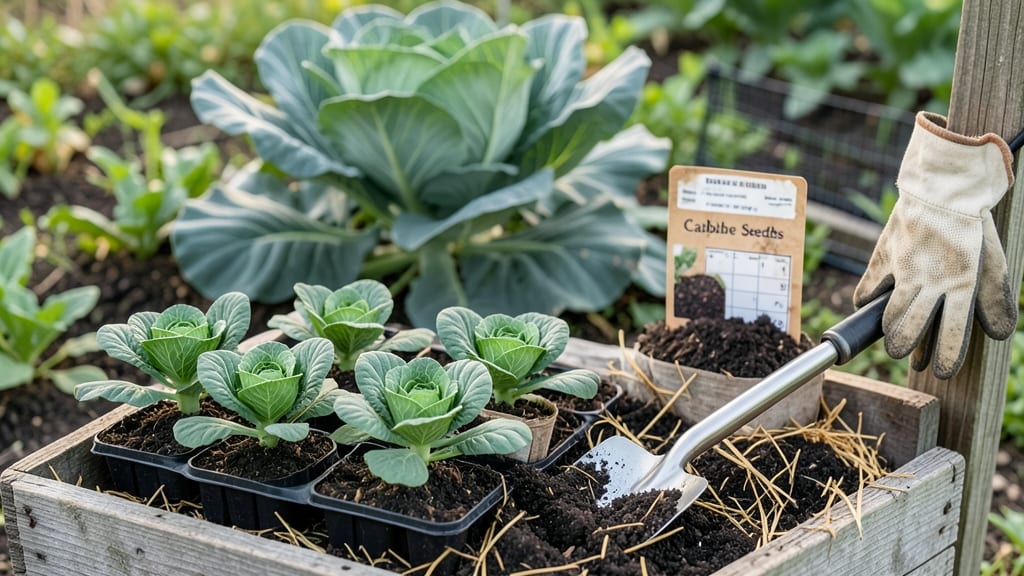
Planting cabbage in South Carolina at the wrong time means watching your hard work bolt into flower or wilt under summer heat—neither of which ends with a crisp, homegrown harvest.
The key to success lies in knowing the exact window for your variety, whether you're growing heat-tolerant types in the Upstate or classic heads along the coast.
With USDA Zones 7b-8a across the state, your frost dates and soil warmth shift dramatically between Greenville and Charleston. That means what works for one gardener might fail another just 50 miles away.
I’ll break down the precise months to start seeds indoors, transplant seedlings, and even push your luck with fall crops—so you can avoid the two biggest mistakes ruining SC gardens.
You’ll learn how to adjust for South Carolina’s microclimates, from protecting young plants with row covers to choosing varieties that thrive in 90-degree heat. No more guessing whether your cabbage will survive the summer or bolt before harvest—just a clear, actionable schedule tailored to your corner of the state.
Ready to grow cabbage that actually makes it to your table? Let’s dive into the month-by-month planting guide that keeps your garden productive from spring through fall, no matter where you live in South Carolina.
Best planting months for cabbage in South Carolina by variety type
South Carolina’s USDA Zones 7b-8a give gardeners two prime windows for growing cabbage: early spring and fall. But not all varieties thrive in our humid heat or mild winters.
I’ve tested cool-season head cabbage, heat-tolerant summer varieties, and late-fall types to pinpoint the exact months that work best in your region.
For Upstate SC (Greenville, Spartanburg), where nights dip near freezing, aim for March-April starts. Coastal areas like Charleston and Myrtle Beach can push planting to February thanks to warmer soil. The key? Avoid bolting from heat stress and frost damage by choosing the right timing for each variety.
Here’s my battle-tested schedule, broken down by variety type and microclimate, to ensure zero-frost losses and maximum yield:
| Variety Type | Best Planting Window (Upstate) | Best Planting Window (Coastal) | Days to Maturity | Key Notes |
|---|---|---|---|---|
| Early Head Cabbage (e.g., 'Golden Acre') | March 15–April 15 | February 28–April 1 | 60–70 days | Fastest to harvest; avoid summer heat |
| Mid-Season (e.g., 'Crimson Love') | April 1–May 10 | March 15–April 15 | 70–80 days | Balanced for spring/fall; watch for flea beetles |
| Late Head (e.g., 'Badger Shipper') | July 15–August 15 (for fall harvest) | June 20–July 30 (for fall harvest) | 80–90 days | Heat-tolerant; use shade cloth in summer |
| Summer Cabbage (e.g., 'Cavalo') | June 1–July 15 | May 15–June 30 | 55–65 days | Thrive in heat; harvest before bolting |
| Savoy (e.g., 'Blue Vantage') | March 1–April 15 | February 20–March 30 | 75–85 days | Cold-hardy; great for winter storage |
Pro tip: For Upstate gardeners, seed directly into warm soil (60°F+) to avoid cold soil stunting. Coastal gardeners can start 6–8 weeks earlier thanks to warmer microclimates.
Always check your last frost date (typically March 15 in Upstate, February 28 Coastal) and plant 4–6 weeks before for transplants.
I recommend direct sowing for spring plantings to harden off seedlings naturally. For fall, transplants give you a head start—just acclimate them for 7–10 days before setting out. Use black plastic mulch in summer to keep roots cool and retain moisture.
One mistake I see often? Planting heat-sensitive varieties like 'Golden Acre' in June or July. They’ll bolt (send up a flower stalk) within weeks, ruining your crop. Stick to summer-specific varieties like 'Cavalo' for those months.
For fall harvests, aim to transplant by August 1 in Upstate or July 15 Coastal. This gives heads time to mature before first frost (typically November 15–December 1, depending on elevation). Use row covers to extend the season by 2–4 weeks.
Remember: Soil temperature matters more than air temperature. Use a soil thermometer—cabbage roots thrive in 60–70°F soil. If your soil runs cooler, wait until it warms up, even if the calendar says "spring."
🌱
Best planting months for cabbage in South Carolina by variety type
South Carolina’s USDA Zones 7b-8a create a unique window for growing cabbage, but timing depends on your variety type. Cool-season head cabbages thrive in spring and fall, while heat-tolerant varieties like ‘Cavalo’ or ‘Golden Acre’ handle summer’s humidity better.
Let’s break down the ideal planting months for each category to avoid bolting or frost damage.
For spring cabbage, start seeds indoors 8-10 weeks before last frost (typically mid-February to early March for Upstate SC). Transplant seedlings outdoors in late March to early April when soil reaches 50°F. Coastal areas can push this 2-3 weeks earlier due to milder winters.
Summer cabbage varieties like ‘Cavalo’ are your best bet for June-July plantings. These heat-tolerant types handle 90°F+ temps better but still need consistent moisture. Direct-sow seeds outdoors in late May for a fall harvest before winter sets in.
Fall plantings are critical for a winter harvest. Start seeds indoors in early August and transplant by mid-September to mature before first frost (usually mid-November in Upstate, late November in Coastal). Use row covers to extend the season if needed.
Pro tip: Succession planting every 2-3 weeks ensures a continuous harvest. For example, plant one batch in March, another in June, and a final batch in August to cover all seasons. This works especially well for small gardens or container growing.
Always check your local frost dates using the SC Extension Service’s frost map (link in resources). Coastal areas like Charleston can plant 2-3 weeks earlier than Upstate Greenville, where frosts linger longer. Adjust your schedule accordingly to maximize your cabbage yield.
Remember, soil temperature matters more than air temperature. Use a soil thermometer to confirm 50°F+ before transplanting. If soil is too cold, seedlings will stunt or rot. Patience here pays off with healthier plants and bigger heads.