
Plants
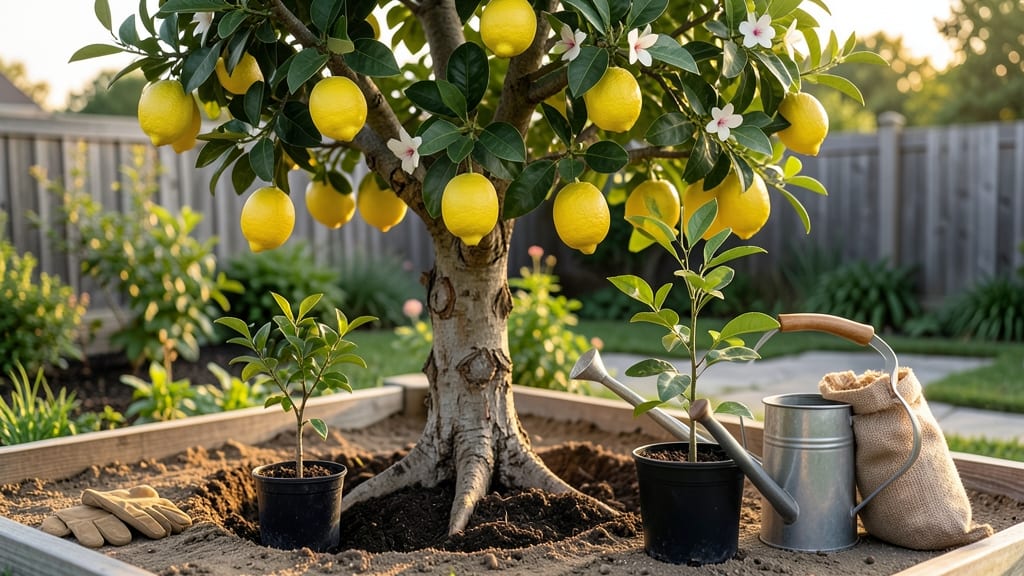
Planting citrus 🍊 in Arizona at the wrong time can mean wilting leaves and lost fruit—so timing matters more than you think. The key window is November through February, when cooler temps help roots establish before summer’s brutal heat arrives.
Why does this matter? Arizona’s 9b climate lets citrus thrive year-round, but young trees struggle when planted in scorching summer months. I’ll show you how to pick the perfect moment for your zone—whether you’re in Phoenix, Tucson, or Yuma—and avoid costly mistakes.
You’ll learn which months work best for your specific heat zone, how to prep soil for Arizona’s alkaline conditions, and even which citrus varieties handle the desert’s extremes. Let’s get your trees off to the right start.
Ready to plant? Skip the guesswork and follow these proven steps to grow citrus that’s lush, productive, and built to last through Arizona’s long, hot summers.
Best planting months for Arizona citrus by heat zone
Arizona’s diverse heat zones—from the scorching low desert of Phoenix to the cooler high desert near Flagstaff—demand precise timing for citrus planting. The ideal window is November through February, when temperatures are mild and frost risk is minimal.
This period aligns with Arizona’s USDA Zone 9b, where citrus thrives year-round but needs protection during rare cold snaps.
In the Low Desert (e.g., Phoenix, Yuma), where summer temps hit 110°F+, planting in late fall (November-December) gives roots time to establish before the brutal heat arrives.
Meanwhile, Mid Desert (Tucson, Prescott) benefits from October-November planting to avoid early frost risks, while High Desert (Flagstaff, Sedona) can plant as late as March due to cooler climates.
Here’s the breakdown you need to avoid costly mistakes:
| Heat Zone | Ideal Planting Months | Key Considerations | Avoid Planting After |
|---|---|---|---|
| Low Desert (Phoenix, Yuma) | November–February | Soil temps >85°F stress roots; high evaporation rates | March (heat shock risk) |
| Mid Desert (Tucson, Prescott) | October–January | Frost risk Dec–Jan; cooler nights aid root growth | April (spring heat stress) |
| High Desert (Flagstaff, Sedona) | March–April | Longer growing season; lower frost risk after March | June (summer drought stress) |
For container-grown citrus, like Meyer lemons or Calamondin oranges, you can extend planting to March in the Low Desert—but only if you’re prepared to provide shade cloth (30-50%) during peak afternoon heat.
These dwarf varieties recover faster from heat stress, making them ideal for urban gardens where space is limited.
Pro tip: Test your soil’s pH (6.0–7.5) and drainage before planting. Arizona’s alkaline soils often need gypsum or sulfur to create the slightly acidic conditions citrus loves. Amend with compost or aged manure to improve texture and fertility.
If you’re planting bare-root citrus (common in nurseries), do it in December–January when the tree is dormant. For container-grown trees, transplant anytime in the ideal window, but avoid days over 90°F—root systems can’t handle the shock.
Remember: Citrus trees planted in late winter (February–March) in the Low Desert will struggle with transplant shock as temps climb. Prioritize root establishment over early fruit production—patience here means years of healthy harvests** down the line.
🌱
Best planting months for Arizona citrus by heat zone
Arizona’s three distinct heat zones—Low Desert, Mid Desert, and High Desert—each demand different citrus planting timelines. The Low Desert (Phoenix, Yuma) has the longest growing season, while the High Desert (Flagstaff, Prescott) faces occasional frost risks.
I’ll break down the perfect windows for each zone to ensure your citrus thrives.
For the Low Desert (USDA Zone 10a-11), your planting window is October through March. This zone rarely sees frost, but summer’s 110°F+ temps can shock young roots. Planting in cooler months lets trees establish before the heat peaks.
In the Mid Desert (Zone 9a-10a, Tucson, Mesa), aim for November to February—just after the monsoon season—to avoid both frost and extreme heat.
The High Desert (Zone 7b-9a) is trickier due to frost risks. Plant late April to June or September to October, avoiding the December-January frost window.
If planting in spring, choose cold-hardy varieties like Carrizo citrange or Satsuma mandarins. In fall, wait until temps stabilize below 80°F to prevent transplant shock.
| Heat Zone | Best Planting Months | Key Considerations |
|---|---|---|
| Low Desert (Phoenix, Yuma) | October–March | Avoid summer heat; soil stays warm year-round. |
| Mid Desert (Tucson, Mesa) | November–February | Monsoon season ends; frost risk minimal. |
| High Desert (Flagstaff, Prescott) | April–June or Sept–Oct | Frost risk Dec–Jan; choose cold-hardy varieties. |
Pro tip: Soil temperature matters just as much as air temperature. In Arizona, soil stays warm year-round, but citrus roots prefer 60–70°F soil temps. Use a soil thermometer to confirm—if it’s above 75°F, wait a few weeks.
For container-grown citrus, acclimate plants to outdoor temps gradually over 7–10 days before planting to avoid shock.
Microclimates play a huge role too. Urban areas like Phoenix can be 10°F hotter than rural zones, while mountain foothills may see unexpected frost pockets. Adjust your planting timeline by 1–2 weeks based on your specific location’s heat patterns.
For example, if you’re near Sedona’s red rocks, plant 2 weeks later than the Mid Desert guidelines.
Once you’ve nailed the timing, focus on well-draining soil—Arizona’s native clay holds too much moisture, leading to root rot. Amend with compost and coarse sand to improve drainage.
Mulch with 3–4 inches of wood chips to retain moisture and regulate soil temps. With the right timing and prep, your citrus will flourish even in Arizona’s brutal summers.