
Trees
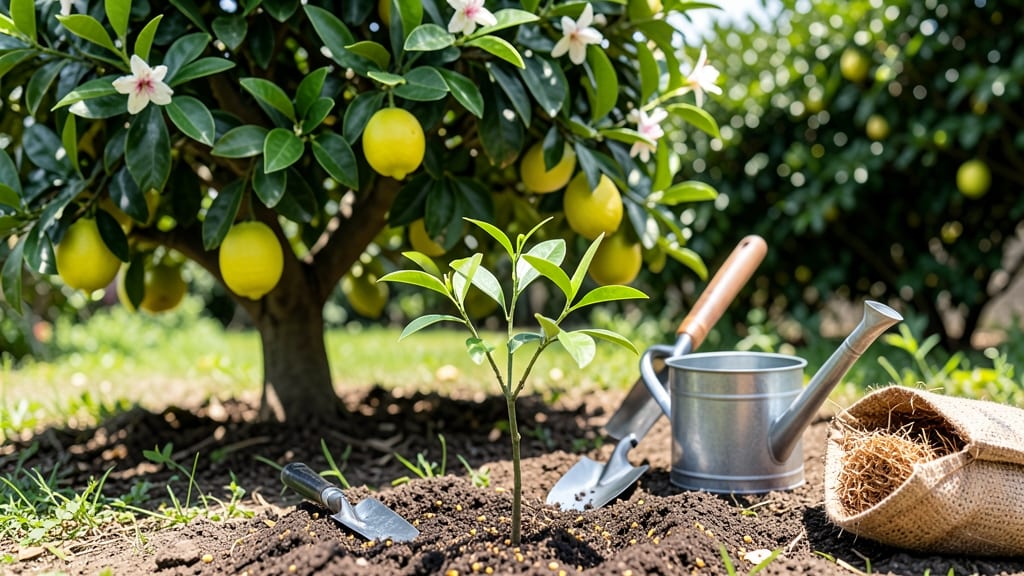
Planting a 🍊 citrus tree in Southern California might seem simple—until you realize timing makes all the difference between thriving fruit and frost-damaged branches. The key isn’t just picking a season; it’s understanding how your local microclimate (coastal vs. inland) affects root growth and winter survival.
Most gardeners in zones 9b-11 assume citrus can be planted year-round, but that’s where mistakes happen. The best windows—late winter through early spring or fall—align with natural rainfall patterns and avoid summer’s extreme heat stress.
Even in frost-free areas, late fall planting gives roots a head start before winter’s occasional chill.
Why does this matter? A citrus tree planted in September or October will establish stronger roots before summer’s peak, while spring planting (February-April) lets you capitalize on cooler temps and spring rains.
Whether you’re growing Meyer lemons or Navel oranges, getting this right means fewer pests, bigger harvests, and trees that last decades.
I’ll break down the exact months for your region, soil prep secrets, and how to protect your tree from those rare cold snaps—because even Southern California isn’t completely frost-proof. Let’s get your citrus off to the perfect start.
Best planting months for citrus trees in Southern California regions
Southern California’s Mediterranean climate makes it one of the best places to grow citrus trees, but timing is everything. While citrus can technically be planted year-round, the ideal windows depend on your region’s microclimate—especially coastal vs. inland zones.
Inland areas like Riverside or San Bernardino face slightly higher frost risk in winter, while coastal regions like San Diego or Santa Barbara enjoy milder temperatures year-round.
The absolute best months to plant citrus trees in Southern California are September through November (fall) and February through April (late winter/early spring). These windows allow roots to establish before summer’s intense heat or winter’s rare frost events.
For container-grown citrus, you can even plant in December or January, but in-ground planting during these months risks root shock if temperatures dip unexpectedly.
Here’s why timing matters: Citrus trees need 6-8 weeks to establish roots before summer’s 100°F+ temperatures. Planting in late spring (May-June) is risky because extreme heat can stress young trees, while summer planting (July-August) forces them to grow roots in scorching conditions.
Even though Southern California rarely sees frost, high-elevation inland areas (like Mount Laguna or Big Bear) can drop below 30°F, which is lethal for citrus.
🌱
For container-grown citrus, you have more flexibility since pots can be moved indoors or to sheltered spots during unexpected cold snaps. However, even containers benefit from fall planting because cooler temperatures slow water evaporation, keeping roots moist as they establish.
If you plant in spring (March-May), prioritize dwarf varieties like Meyer lemons or Calamondins, which mature faster and handle heat better.
One common mistake is planting citrus in summer (June-August), assuming the heat won’t hurt. While citrus loves sun, extreme heat combined with high winds can dry out young roots before they establish. Always water deeply after planting and mulch heavily (3-4 inches of wood chips) to retain moisture.
In desert regions, like the Coachella Valley, planting in September gives roots time to settle before winter’s cool nights and spring’s scorching days.
If you’re in a coastal microclimate, like Malibu or Newport Beach, you can even plant citrus in December with minimal risk. The ocean’s moderating effect keeps temperatures above 40°F most nights.
Just avoid low-lying inland valleys, where cold air pools and can drop below 32°F—even in Southern California. Always check local frost alerts via the National Weather Service or UC Master Gardener forecasts before planting outside the ideal windows.
For
Best planting months for citrus trees in Southern California regions
Southern California’s Mediterranean climate creates distinct microclimates where coastal areas stay milder than inland valleys. This means your citrus planting window depends on whether you’re near the ocean or nestled in the San Fernando Valley.
Most gardeners in USDA zones 9b-11 can plant year-round, but timing affects root establishment and winter survival.
The ideal months for citrus trees are September through November and February through April. Fall planting gives roots time to settle before summer heat, while spring planting aligns with natural rainfall. Even in frost-free zones, late winter cold snaps can stress young trees if planted too early.
Here’s how your region impacts timing:
| Region | Best Planting Window | Frost Risk | Container vs. In-Ground |
|---|---|---|---|
| Coastal (e.g., LA, San Diego) | September–April | Minimal (rare below 32°F) | Both (cooler nights) |
| Inland Valleys (e.g., Riverside, San Bernardino) | October–March | Moderate (30–35°F possible) | In-ground preferred |
| Desert (e.g., Palm Springs) | August–September or February | Low (but extreme heat stress) | Containers ideal |
For container citrus, you can plant almost anytime, but avoid summer months (June–August) when roots struggle to establish in extreme heat. In-ground planting benefits from fall rains, so September–November is prime for inland areas.
Always check local frost alerts—even coastal zones can dip near freezing in rare years.
Pro tip: If planting in spring (March–April), water deeply every 5–7 days to help roots adjust to warmer soil. For fall planting, focus on mulching to retain moisture during winter’s occasional dry spells. Your citrus tree’s long-term health starts with this timing decision.
🌱