
Plants
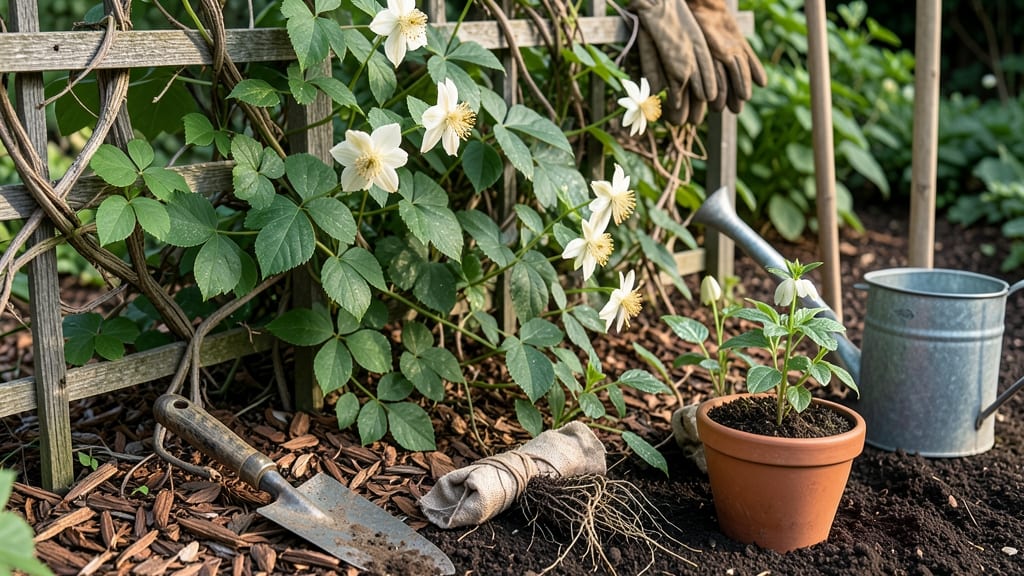
Planting your 🌸 clematis at the wrong time in Texas could mean the difference between a lush, blooming vine and a sad, wilted disappointment.
Whether you're in frost-prone North Texas or the milder South Texas zones, getting the timing right is the key to survival—and stunning flowers for years to come.
Most Texas gardeners swear by fall planting, but early spring can also work if you know the secrets. The trick? Avoid those scorching summer months when roots struggle to establish, and never plant too early when unexpected frosts can creep in.
I’ll break down exactly when to dig in your region so your clematis thrives from day one.
You’ll discover the perfect planting windows for your specific Texas heat zone, plus soil prep tips to beat the heat. No more guessing—just confident planting that sets your clematis up for a bloom-filled future, no matter where you live in the Lone Star State.
Ready to transform your garden? Let’s get your clematis in the ground at the ideal moment—before the next frost or heatwave hits. Your future vine is waiting!
Texas heat Zones: best months to plant clematis for frost-free survival
Texas's diverse climate means clematis planting windows vary dramatically from North Texas to South Texas. In USDA Zones 8a-10b, timing directly impacts whether your vines survive the first critical year. The key is planting when soil temperatures are ideal (60-70°F) and frost risk is minimal.
For North Texas (Zones 7b-8a), like Dallas and Fort Worth, aim for early fall (September-October) or late winter (February-March). These regions experience late frosts until March 15, so spring planting risks damage.
Meanwhile, Central Texas (Zones 8a-9a), including Austin and San Antonio, can plant until November with lower frost risk.
South Texas (Zones 9a-10b), from Corpus Christi to the Rio Grande Valley, enjoys year-round planting—but September-October remains optimal. The first frost rarely hits before November 1, giving vines time to establish roots before winter. However, planting in summer heat (June-August) stresses clematis, even in warm zones.
Here’s how to align planting with Texas’s three distinct heat zones for maximum success:
Fall planting is preferred across Texas because cooler temperatures reduce transplant shock, and vines establish roots before summer heat arrives. In North Texas, aim for September to avoid late-season frosts, while Central and South Texas can extend planting until November.
If you miss fall, early spring (February-March) is your second-best option. However, avoid planting in April or later—Texas summers can push soil temps to 90°F+, which stresses young roots. For South Texas gardeners, January-February planting works well, as frost risk is minimal.
Monitor local frost dates using resources like the Texas A&M AgriLife Extension or National Weather Service. These tools provide hyper-local data to refine your planting timeline.
For example, El Paso (Zone 8a) has a later frost date (March 1) than Houston (Zone 9a), which rarely sees frost after January.
One critical mistake Texas gardeners make is planting clematis in summer heat. The combination of high temps and low humidity causes transplant shock, even in drought-tolerant varieties. If you must plant in summer, provide afternoon shade and deep watering daily for the first 30 days.
For container-grown clematis, adjust timing slightly: plant 2-4 weeks earlier in fall or 2 weeks later in spring. Containers dry out faster in Texas heat, so ensure they have drainage holes and mulch to retain moisture.
Place pots in partial shade during peak afternoon sun (1 PM–5 PM) to protect roots.
Texas heat Zones: best months to plant clematis for frost-free survival
Texas stretches from USDA Zone 8a in the Panhandle to Zone 10b along the Gulf Coast, meaning your clematis planting window depends entirely on where you live.
In North Texas (Zones 8a-8b), late frosts can linger until mid-February, while South Texas (Zones 9b-10b) rarely sees frost after January 15th. Central Texas falls somewhere in between, with March 15th as the last average frost date in Austin.
For zero-frost survival, aim to plant clematis when soil temperatures stay above 60°F (15°C)—this gives roots time to establish before summer’s brutal heat. My top recommendation?
Plant in September-October for fall establishment or February-March for spring growth. Avoid summer planting unless you’re in Zone 10b, where heat stress is less of a risk.
Here’s the breakdown by region to help you pinpoint the perfect time:
Pro tip: Use a soil thermometer to confirm temperatures before planting—roots need consistent warmth to avoid shock. In North Texas, September planting gives vines time to establish before winter, while Central and South Texas gardeners can push into early October without risking frost.
If you miss fall, don’t panic—February-March is your second chance, especially in Zones 9a and above. Just be ready to provide extra shade and water if planting in late spring. The key is avoiding summer heat, which can bake young roots before they take hold.
For real-time frost alerts, bookmark the Texas A&M AgriLife Extension frost prediction maps or sign up for local weather alerts. Timing your clematis right means blooms for years, not wilting vines—trust me, your garden will thank you! 🌸