
Plants
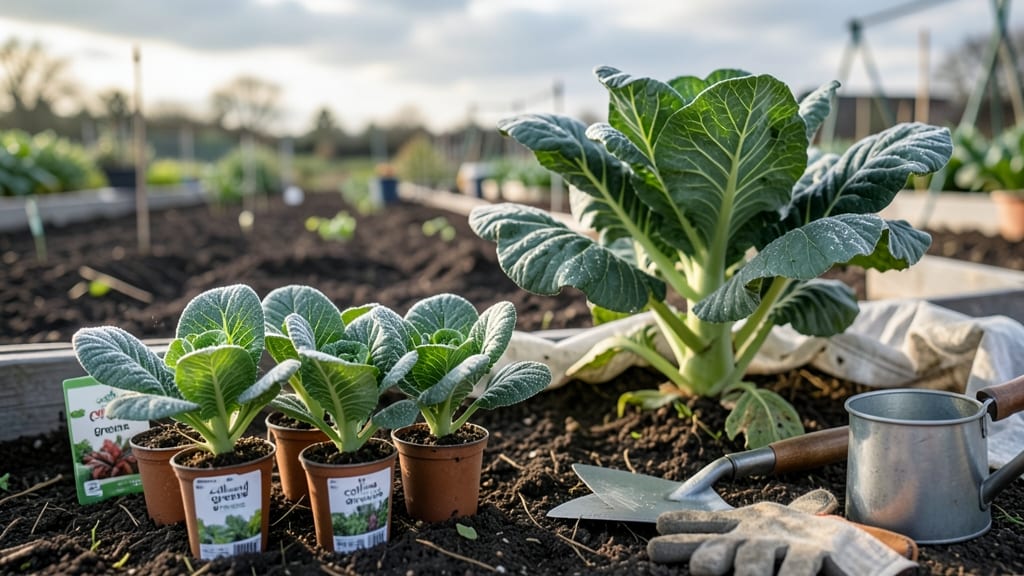
Planting collards in Georgia isn’t just about timing—it’s about unlocking their full frost-resistant potential so you can enjoy tender greens from spring through winter.
The key to sweet, flavorful harvests lies in understanding when to get them in the ground, whether you’re aiming for a spring crop or a hardy fall/winter garden.
With Georgia’s 7b-9a climate, you’ve got two prime windows to plant: late summer for a fall crop or early spring for a spring harvest. But here’s the catch—skipping the right prep can leave you with bitter leaves instead of the sweet, tender collards you crave.
I’ll walk you through the exact months to plant, soil prep tips, and how to protect your plants from Georgia’s unpredictable frosts.
Why does this matter? Because collards thrive when planted at the right time, and in Georgia, that means avoiding the brutal summer heat while taking advantage of cooler weather.
Whether you’re a seasoned gardener or just starting out, these strategies will help you grow collards that stay productive even when temperatures drop.
Let’s dive into the frost-resistant timeline that’ll keep your garden bursting with 🥬 from early spring to late fall—no matter where you are in the state.
Georgia’s best collard planting windows: month-by-month frost-resistant schedule
Georgia’s mild winters and long growing seasons create perfect conditions for collards, but timing your plantings correctly is key to avoiding bitter leaves and maximizing sweet, tender harvests.
Unlike many vegetables, collards thrive in cool weather and can even sweeten after frost, making them a year-round favorite for Georgia gardeners.
For the best results, focus on two primary planting windows: early spring (February–March) and late summer/early fall (August–September). These timings align with Georgia’s USDA zones 7b–8b, ensuring your collards mature before extreme heat or frost arrives.
Let’s break down the ideal month-by-month schedule to keep your garden productive from spring to winter.
🌱 Pro Tip: Always check your local frost dates (average last frost: February 15, first frost: November 15) and adjust planting windows by 2–4 weeks if you’re in cooler northern GA or warmer coastal regions.
Your fall planting window (August–September) is the most reliable for Georgia gardeners, as it allows collards to mature before first frost while benefiting from cooler temperatures. Start seeds indoors in late July or direct-sow outdoors after August 15 for a head start.
In northern GA, aim for early August plantings to avoid September heat stress.
For a spring harvest, sow seeds in February (coastal) or March (northern GA) to ensure they mature before summer’s intense heat. Use shade cloth if planting in May to protect young seedlings from bolting. Always harden off seedlings for 7–10 days before transplanting to prevent shock.
Succession planting is a game-changer for collards in Georgia. By sowing new seeds every 2–3 weeks during your chosen window, you’ll enjoy continuous harvests instead of one large yield.
This works especially well for fall plantings, where staggered sowings extend your harvest into December or even January in Zone 8b.
Soil preparation is just as critical as timing. Collards thrive in well-draining, slightly acidic soil (pH 6.0–7.0). Before planting, amend your soil with 2–3 inches of compost and a balanced fertilizer (10-10-10).
In heavy clay soils (common in central GA), mix in sand or peat moss to improve drainage. Test your soil’s nitrogen levels—collards are heavy feeders and need regular fertilization every 4–6 weeks during active growth.
Don’t overlook microclimate considerations. If you live in northern GA (Zone 7b), prioritize south-facing garden beds to maximize sunlight during shorter winter days. In coastal areas (Zone 8b+), use partial shade during peak summer to prevent bolting.
Even a 10-foot-tall fence can create a microclimate that’s 5–10°F warmer than the surrounding area, extending your growing season.
Finally, remember that frost enhances collard flavor. A light frost (28–32°F) sweetens the leaves, making them ideal for holiday meals. To protect your plants during
Georgia’s best collard planting windows: month-by-month frost-resistant schedule
Georgia’s 7b-8b climate gives you two golden opportunities to plant collards: late summer for fall harvests and early spring for spring bounty. The key is avoiding Georgia’s brutal summer heat while capitalizing on cooler temperatures that sweeten the leaves.
I’ve broken down the ideal planting windows based on frost dates and regional microclimates to ensure your collards thrive year-round.
For most of Georgia, August–September is prime for fall planting, while February–March sets you up for spring harvests. Coastal areas (like Savannah) can push planting slightly later due to milder winters, while northern Georgia (Athens, Dalton) should plant earlier to beat frost.
Let’s dive into the exact timeline that’ll keep your collards productive from October through May.
| Season | Planting Window | Soil Temp | Frost Risk | Harvest Time |
|---|---|---|---|---|
| Early Spring | Feb 15–Mar 15 | 50–60°F | Low (post-frost) | April–May |
| Late Summer | Aug 1–Sept 15 | 65–75°F | Moderate (fall frosts) | Oct–Dec |
| Summer Escape | June 15–July 15 | 80–85°F | None (heat tolerance) | Sept–Oct |
| Winter (Hardy) | Oct 1–Nov 1 (transplant) | 55–65°F | High (light frost OK) | Dec–Feb |
Pro tip: Use UGA Extension’s frost maps to fine-tune your timing. For example, if you’re in Zone 8a (e.g., Macon), aim for September 1 planting to harvest before the first frost around November 15. In Zone 7b (e.g., Athens), plant by August 15 to avoid early frosts.
Soil prep is just as critical as timing. Before planting, amend your soil with compost or aged manure to improve drainage—collards hate soggy roots. A pH of 6.0–7.0 is ideal, and adding a balanced 10-10-10 fertilizer at planting gives them a nutrient boost for faster growth.
Mulch with straw to retain moisture and regulate soil temperature, especially in Georgia’s hot summers.
Don’t overlook microclimates—even within Georgia, urban areas (like Atlanta) can be 5–10°F warmer than rural spots. If you’re in a heat pocket, opt for shade cloth during summer months to protect young plants.
And remember: transplants (not seeds) are your best bet for Georgia’s short growing seasons—start them indoors 4–6 weeks before your target planting date.
With these frost-resistant strategies, you’ll enjoy sweet, tender collards from fall through spring—no bitter surprises! The secret? Planting at the right time and giving them the care they crave. 🌱