
Plants
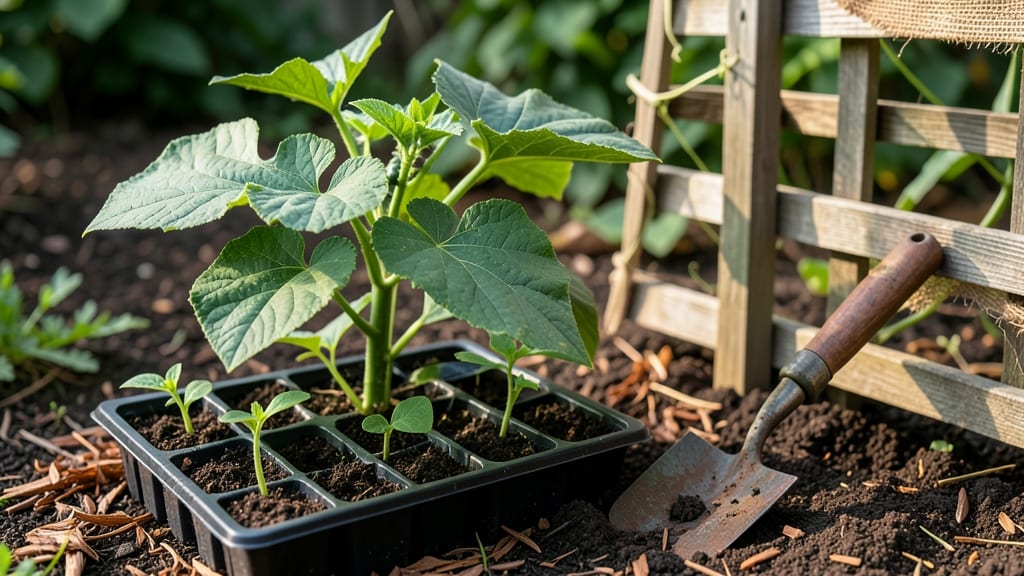
Planting cucumber seeds 🥒 at the wrong time in Ontario can turn your gardening dreams into a soggy disappointment—especially when temperatures fluctuate and frost lingers longer than expected. The key to a thriving harvest lies in understanding your region’s last frost dates, because cucumbers demand warmth to germinate and grow.
I’ve learned the hard way that rushing outdoors too early leads to stunted vines or worse, while waiting too long cuts the growing season short. Whether you’re in Toronto’s humid climate or Ottawa’s cooler zones, timing matters more than you might think.
Let’s break down exactly when to plant cucumber seeds across Ontario’s diverse frost-free windows.
For gardeners in Southern Ontario, where summers stretch longer, you can start seeds indoors 6-8 weeks before the last frost—typically by late April. But if you’re in Northern Ontario, where the season is shorter, you’ll need to adjust your strategy to maximize those precious warm months.
I’ll show you how to plan around Ontario’s unpredictable weather patterns.
Ready to avoid common mistakes and get your cucumbers thriving? You’ll discover the ideal soil temperatures, regional planting windows, and even how to extend your harvest with simple tricks. Let’s make sure your cucumber plants get the head start they deserve.
Ontario’s frost-free dates by region: when to start cucumber seeds
Cucumbers (Cucumis sativus) are heat-loving plants that need warm soil and consistent temperatures above 15°C (59°F) to thrive. In Ontario, planting too early risks frost damage or poor germination, while waiting too long may shorten your harvest.
The key is aligning your planting with local frost-free dates and soil warmth.
Ontario’s climate varies dramatically—Southern Ontario enjoys longer growing seasons, while Northern Ontario faces shorter windows. Even within regions, microclimates (like urban heat islands or sheltered valleys) can shift your ideal planting window by 1-2 weeks. Always check Environment Canada’s frost forecasts for your specific area.
For direct sowing (planting seeds outdoors), aim for 2-4 weeks after your last frost date, when soil temperatures consistently reach 18°C (64°F) at a depth of 5cm (2 inches).
Use a soil thermometer to confirm—cucumbers won’t germinate well in cooler soils. In cooler regions, start seeds indoors 3-4 weeks before your target outdoor date.
| Region | Avg. Last Frost | Ideal Planting Window | Soil Temp. Requirement | Notes |
|---|---|---|---|---|
| Southern Ontario (London, Niagara, Hamilton) | Mid-May | Late May to early June | 18°C+ (64°F+) | Longest season; try succession planting for extended harvests. |
| Central Ontario (Toronto, Kitchener, Ottawa) | Early to mid-May | Early June | 18°C+ (64°F+) | Use row covers for early starts; urban areas may warm faster. |
| Northern Ontario (Sudbury, Thunder Bay) | Mid to late May | Late June | 20°C+ (68°F+) | Choose fast-maturing varieties (e.g., ‘Northern Pickling’); consider greenhouses. |
In Southern Ontario, where frost-free dates arrive as early as mid-May, you can direct-sow cucumber seeds late May to early June. This aligns with soil warming to 18°C (64°F), which is critical for germination.
For Toronto and Ottawa, wait until early June—planting earlier risks cold soil and poor seedling health.
Northern Ontario gardeners should focus on fast-maturing varieties like ‘Northern Pickling’ or ‘Straight Eight,’ which can go from seed to harvest in 50-60 days. Start seeds indoors in late April and transplant outdoors after June 15, using black plastic mulch to warm the soil faster.
In Thunder Bay, some gardeners even use cold frames to extend the season.
Pro tip: Use biodegradable pots for seedlings to avoid transplant shock. Harden off seedlings by placing them outdoors in partial shade for 3-5 days before transplanting. This gradual transition helps them adapt to Ontario’s variable weather, reducing stress and improving survival rates.
Always monitor 7-day forecasts before planting—late frosts can still occur in May, especially in higher elevations. If frost is predicted, cover seedlings with frost cloth or a lightweight blanket for protection.
Remember, cucumbers are 90% water, so ensure your soil is well-draining to prevent root rot in Ontario’s often humid summers.
For urban gardeners in cities like Toronto or Ottawa, take advantage of microclimates. South-facing walls or rooftop gardens can be 5-10°F warmer than the surrounding area, allowing you to plant 1-2 weeks earlier. Use a thermometer to confirm soil
How to extend the cucumber growing season in Ontario’s short summers
Ontario’s cool, unpredictable summers can challenge cucumber growers, but with the right strategies, you can extend your harvest window and enjoy fresh cucumbers longer. The key is protecting young plants from late frosts and maximizing warmth during cooler spells.
Even in Zone 4-6 regions, gardeners can push cucumbers to thrive with simple techniques.
Start by choosing fast-maturing varieties like ‘Straight Eight’ (58 days) or ‘Marketmore 76’ (60 days), which are perfect for Ontario’s short season. These varieties can go from seed to harvest before fall temperatures drop. Pair them with season-extending tools to create a warmer microclimate for your plants.
🌱🌿
Lightweight fabric raises soil temperature by 3-8°C and protects from late spring frosts. Remove when flowers appear to allow pollination.
A simple PVC hoop structure with plastic sheeting traps heat during the day and releases it slowly at night, adding 10-15°F warmth to your plants.
Black mulch absorbs sunlight as heat, warming soil 5-10°F faster than bare earth. It also suppresses weeds and retains moisture.
Sow seeds every 2 weeks from early May to mid-June. This ensures a continuous harvest as older plants mature and younger ones take over.
Place pots against south-facing walls or fences to absorb and radiate heat. Use dark-colored containers to maximize warmth.
For gardeners in Northern Ontario, consider starting seeds indoors 4-6 weeks before your last frost date. Use grow lights if natural light is limited, then transplant seedlings outdoors after all danger of frost has passed. Always harden off plants for 7-10 days before moving them to the garden.
Even with these strategies, monitor weather forecasts closely. If a cold snap is predicted, cover plants with row covers or blankets at night. With patience and the right tools, you can extend your cucumber season well into early fall—just in time for those homemade pickles and fresh salads!
🌱☀️