
Plants
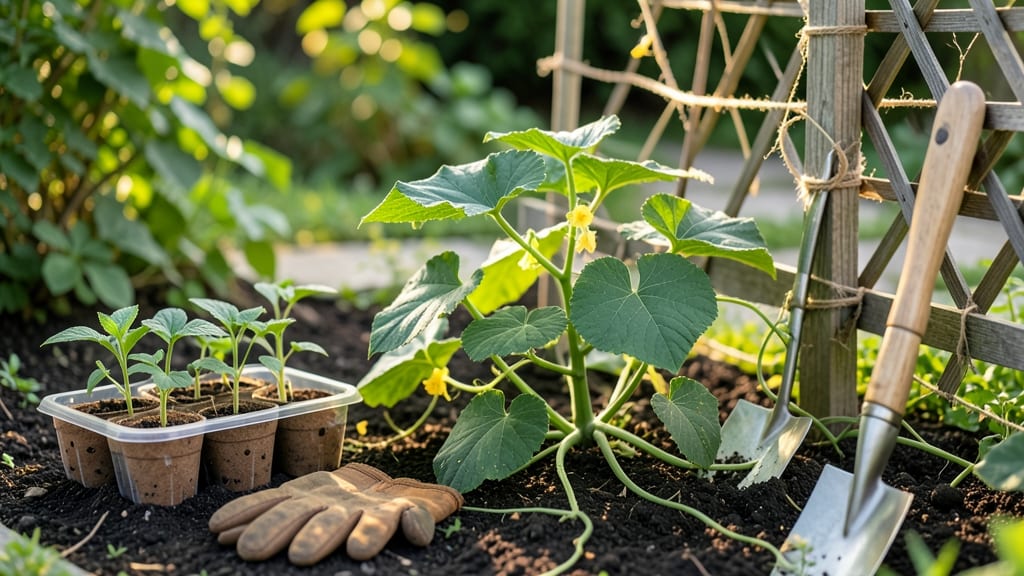
Planting cucumbers in New Hampshire at the wrong time means watching your 🥒 vines wilt before they even take root—or worse, facing a harvest that never comes.
The key to success isn’t just waiting for spring; it’s knowing exactly when your soil is warm enough and frost-free for these heat-loving plants to thrive.
In Zone 5b-6b, your window is tight: mid-May to early June, right after the last frost date. But here’s the catch—cucumbers need soil temperatures of at least 60°F to germinate, and NH’s chilly mornings can delay that magic number.
That’s why I’ll show you how to check soil warmth, use black plastic mulch to speed things up, and pick varieties that handle our unpredictable summers.
Whether you’re a backyard gardener or dreaming of container-grown cucumbers on your patio, timing matters more than you think. Skip the guesswork and learn the exact steps to plant cucumbers so they’ll produce crisp, flavorful fruit from July through September—no matter where you live in the Granite State.
Ready to grow cucumbers that outperform last year’s sad little harvest? Let’s dive into the frost-free timeline that’ll turn your garden into a 🥒 powerhouse this season.
Optimal cucumber planting dates in New Hampshire by frost Zone
New Hampshire’s USDA Zones 3b-5b mean your cucumber planting window is tight—just 4-6 weeks between last frost and summer heat. Coastal areas like Portsmouth warm up faster than the White Mountains, so adjust timing accordingly.
For most of the state, mid-May to early June is your sweet spot, but let’s break it down by region and method.
Direct sowing is best for NH gardeners because cucumbers hate transplant shock.
Start seeds indoors 2-3 weeks before your last frost date if you’re using transplants, but most locals prefer sowing directly into warmed soil. Soil temperature is your real deadline—wait until it hits at least 60°F (use a soil thermometer to check!).
Here’s your frost-free planting timeline for NH’s three key regions, including soil prep tips to get a head start:
| Region | Last Frost Date | Optimal Planting Window | Soil Prep Tip |
|---|---|---|---|
| Coastal (Portsmouth, Dover) | Early May | Late April–mid-May (earlier with row covers) | Use black plastic mulch 2 weeks before planting to warm soil faster. |
| Central (Concord, Manchester) | Mid-May | Mid-May–early June (after soil hits 60°F) | Add compost + aged manure 1 week before planting for nutrient boost. |
| Northern (White Mountains, Berlin) | Late May | Late May–early June (or start indoors in April) | Plant near south-facing walls to capture extra heat. |
| All Regions (Late Varieties) | N/A | Early July for short-season varieties like ‘Bush Champion’ | Use container gardening on patios for extended harvests. |
Pro tip: If you’re extending your season, sow a second batch in early July for a late-summer harvest. Choose short-season varieties (like ‘Straight Eight’) that mature in 50-55 days—they’ll be ready before the first frost in October.
For coastal areas, you might even squeeze in a third planting by mid-July!
For transplants, harden off seedlings for 7-10 days before setting them out. Bury stems deeper than usual (up to the first leaves) to encourage root growth—a trick that works especially well in NH’s cooler soils.
Space plants 12-24 inches apart, depending on the variety (bush types need less room).
Don’t forget: Cucumbers are heat-loving but need time to establish roots. If your summer brings unexpected heatwaves (like the 2020 NH record of 100°F), provide afternoon shade with shade cloth to prevent sunscald on fruits. And always mulch heavily—straw or shredded leaves help retain moisture and keep roots cool.
Timing isn’t just about dates—it’s about reading your microclimate. Watch for morning frost warnings from the NH Department of Agriculture and adjust your schedule. Coastal gardeners can push dates earlier, while inland areas should wait for consistent 60°F+ soil temps for at least a week.
One final rule: Never plant cucumbers before May 15 unless you’re using a cold frame or row cover. The risk of frost damage to young plants isn’t worth the gamble—your vines will wilt, and recovery is slow.
Instead, use that early time to prep your soil with compost and plan your trellis setup.
With these dates and tips, you’ll avoid the two biggest NH cucumber mistakes: planting too early and losing everything to frost or waiting too long and missing the harvest window. Now grab your seeds, mark your calendar, and get ready for crisp, homegrown cucumbers all summer long! 🥒
5 Critical factors that determine your cucumber planting success in NH
New Hampshire’s unpredictable climate throws curveballs at even the most experienced gardeners. While planting dates matter, soil temperature is the real game-changer for cucumbers. These plants refuse to germinate below 60°F, and our early springs often leave soil too cold.
I’ve tested soil thermometers in my garden—trust me, they’re worth every penny to avoid wasted seeds.
Microclimates across NH create another challenge. Coastal areas like Portsmouth warm up faster than the White Mountains, where frost lingers until June 10th on average. Even within your yard, a south-facing wall can create a 2-week advantage over north-facing beds.
Scout your garden in April to identify these warm spots before planting.
🌱 Pro Tip: Use black plastic mulch to raise soil temperatures by 5-10°F. I’ve seen cucumbers germinate 3 days earlier when planted on warmed soil—critical when your window is only 4-6 weeks long!
🔍 5 Critical Factors for NH Cucumber Success
- 🌡️ Soil Temperature: Wait until consistently 60°F+ (use a thermometer!)
- 🏔️ Microclimate: Coastal areas plant 2+ weeks earlier than northern NH
- 🌱 Companion Plants: Marigolds repel pests; avoid planting near potatoes
- 🐛 NH-Specific Pests: Cucumber beetles thrive here—use row covers early!
- 🌬️ Wind Protection: Trellis vines to prevent breakage from NH’s summer storms
Cucumber beetles are NH’s #1 cucumber enemy, and they arrive early. I’ve lost entire plants to their larvae when I skipped row covers during the first 3 weeks.
These pests also spread bacterial wilt—once infected, your whole crop is doomed. Start with protective netting and remove it only after flowers appear (when pollinators need access).
Don’t overlook companion planting either. In my raised beds, I always tuck marigolds around cucumbers—they repel pests naturally. But here’s what to avoid: planting near potatoes or squash, which compete for nutrients and attract the same pests. Diversity in your garden means fewer problems down the line.
Lastly, NH’s summer heat spikes can scorch cucumber leaves if you’re not prepared. I’ve seen plants wilt dramatically after a 90°F day unless I mulch heavily and water deeply in the morning.
The goal? Keep roots cool and soil moist—never let the top inch dry out. This simple habit can double your yield during our short growing season.
💧 Remember: Morning watering + mulch = happy cucumbers that keep producing until frost. Skip either, and you’ll be picking bitter, undersized fruit—or worse, watching your vines collapse from stress.