
Planting
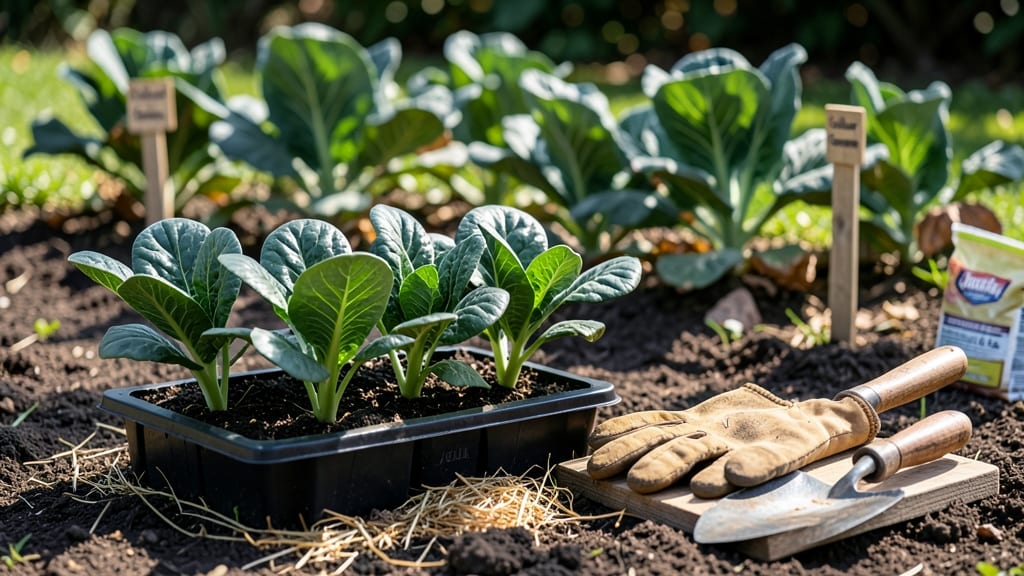
Planting your fall garden in Mississippi at the wrong time means watching frost turn your hard work into sad, wilted memories. But get the timing right—and you’ll enjoy crisp greens, sweet potatoes, and homegrown herbs long after summer fades.
Mississippi’s 7b-8b climate gives gardeners a second chance, but the window is narrow: August through October is your sweet spot. Plant too early, and pests or heat will sabotage your crops; too late, and frost sneaks in before harvest.
The key? Knowing your county’s first frost date—and adjusting your schedule accordingly.
I’ve grown fall garden vegetables 🥬 here for years, and the difference between a bountiful harvest and a flop comes down to one critical factor: timing.
Whether you’re in the Delta or the hills, I’ll break down exactly when to plant each crop for maximum yield—and how to stretch your season just a little longer.
Ready to avoid the frost trap? Let’s dive into the perfect planting calendar for Mississippi’s fall garden, so you can enjoy fresh, homegrown food straight through winter.
Mississippi fall planting dates by county: avoid frost and maximize yields
Mississippi’s fall gardening success hinges on county-specific frost dates. Northern counties like Tunica and Tishomingo face earlier frosts (November 1-15), while Southern regions like Hancock and Jackson can extend harvests until December 1-15.
Planting too early risks bolting from heat, while late planting may not yield mature crops before frost.
For cool-season crops like collards, kale, and turnips, aim to plant 6-8 weeks before your county’s first frost date. This window ensures harvests before temperatures drop below 28°F.
Use local USDA Zone 7b-8b guidelines as a starting point, but always check Mississippi State University Extension for updates.
Here’s how to align your planting with Mississippi’s regional frost patterns:
| County Region | First Frost Date | Optimal Planting Window | Best Crops for Late Harvests |
|---|---|---|---|
| North (Tunica, Tishomingo, Lee) | November 1-15 | August 15 - September 15 | Collards, Kale, Spinach, Radishes |
| Central (Madison, Rankin, Hinds) | November 15-30 | August 20 - October 1 | Turnips, Broccoli, Lettuce, Carrots |
| South (Hancock, Jackson, Harrison) | December 1-15 | September 1 - October 15 | Cabbage, Brussels Sprouts, Peas, Beets |
Southern Mississippi gardeners have the luxury of a 4-week later planting window than their Northern counterparts. For example, Jackson County can plant Brussels sprouts as late as October 15 and still harvest before frost, while Tunica County should plant by September 15 for the same results.
Use succession planting to stagger harvests. For instance, sow radishes every 2 weeks from August through September. This ensures a continuous supply and maximizes your garden’s productivity before winter sets in.
Monitor soil temperatures—ideal planting conditions require soil to be 60-70°F. Use a soil thermometer to check before sowing seeds. Cooler soils slow germination, so wait for nighttime temperatures to drop below 80°F but stay above 50°F.
Mississippi’s humidity levels can also impact planting. High humidity increases disease pressure for crops like lettuce and spinach. Space plants properly (e.g., 12-18 inches apart) and water at soil level to avoid fungal issues.
For urban gardeners in cities like Jackson or Biloxi, container gardening extends options. Choose compact varieties like bush beans or dwarf broccoli for small spaces. Just ensure containers have drainage holes to prevent root rot in Mississippi’s wetter fall months.
Pro tip: Mark your planting dates on a calendar with highlighters—one color for fast growers (radishes, lettuce) and another for slow growers (Brussels sprouts, cabbage). This visual reminder keeps you on track for a frost-free harvest.
Best fall vegetables for Mississippi gardens: fast-growing crops for short seasons
Mississippi’s fall garden 🌱 thrives with the right crops—fast-growing varieties that mature before frost. I’ve tested these top 10 frost-tolerant vegetables in my garden, and they consistently deliver harvests even when temperatures dip. The key? Choosing plants that balance heat tolerance and quick maturation.
For Southern Mississippi (counties like Jackson or Hattiesburg), where frost hits later, you can push the envelope with slightly slower growers. But in Northern Mississippi (like Tupelo or Oxford), stick to varieties that mature in 30–45 days to avoid early frost. Here’s my ranked list of winners:
Pro tip: Succession plant fast growers like radishes and lettuce every 2–3 weeks in September to ensure a continuous harvest. For broccoli and kale, which take longer, start seeds indoors in late July and transplant in early August for a head start.
Mississippi’s humidity and heat can stress seedlings, so always harden off transplants for 3–5 days before moving them to the garden. Use shade cloth if planting in late August to protect young plants from intense afternoon sun.
Remember, soil temperature matters. Aim for 60–70°F soil temps for best germination. Test your soil with a thermometer before sowing—cool soil slows down growth, and you don’t want slow-moving seedlings when frost is lurking.
With these fast-growing crops, you’ll have a bountiful fall harvest 🌿—even if winter sneaks in early.